EXCLUSIVE: Report Reveals Uncle Sam Has No Idea If Feds Are Handing Out Taxpayer Dollars To Wrong People
Ernst shared the report’s findings and urged federal officials to verify recipients’ eligibility before paying them.

SOURCE CHECK
TAP FOR WHYThe Daily Caller is an established, politically partisan outlet that publishes original reporting, but its framing and limited source diversity warrant a moderate score. The article attributes its key findings to a draft GAO report and quotes Ernst, though it offers little independent perspective.
- Source type — A national outlet with a partisan orientation; a moderate rather than high baseline.
- Editorial standards — The piece attributes key claims to a draft GAO report and to Ernst, but includes little viewpoint diversity.
- Author attribution — The article names its reporter.
- Track record — The outlet does original reporting, but partisan framing tempers confidence in its institutional neutrality.
The article cites a draft GAO report and quotes Ernst directly, providing a clear account of the data-matching problem and the report’s recommendation. It gives little context from the agencies involved or from people who might disagree with Ernst’s proposed response.
HOW WE SCORE ↗The article reports findings from a GAO draft and includes Ernst’s response, but relies heavily on her framing and does not include comments from agencies responsible for the systems or another policy perspective.
- Counterarguments presented — No opposing or alternative view is presented.
- Source diversity — The report and Ernst are cited, but perspectives from affected agencies or outside experts are absent.
- Loaded language — The headline and some quoted wording use emotionally charged fraud and taxpayer-loss language.
- Opinion vs reporting — The piece is presented as reporting and attributes claims, but gives limited space to perspectives beyond Ernst.
The article uses a fraud-focused frame and includes Ernst’s warnings without a countervailing source or perspective. Its language and source selection lean right, though the core findings are attributed to a government report.
- Language tone — The headline and quoted language emphasize taxpayer loss and fraud in charged terms.
- Source selection — Ernst is the principal quoted political voice; no opposing or independent policy perspective is included.
- Framing — The report’s data-matching findings are framed primarily as a taxpayer-fraud problem.
A draft GAO report found that the government cannot reliably match federal spending records with its list of people barred from receiving funds. Sen. Joni Ernst shared the findings and called for stronger eligibility checks.
A draft Government Accountability Office report found that federal spending records cannot be reliably cross-referenced with the government’s “do not pay list.” The report said this creates a risk of improper awards and recommended that Congress assign an agency to set and enforce data-compatibility requirements.
Ernst said incompatible and incomplete data can leave payment systems vulnerable to fraud and urged officials to verify applicants’ eligibility. The article also reports that the Senate passed the Stop Secret Spending Act on Friday and that a similar House bill was approved by committee in March.
Community verdict
23 VOTES
People in this story
SWIPE →Iowa senator discussing the GAO report and calling for stronger eligibility checks

Wyoming representative who introduced the House version of the spending-disclosure bill
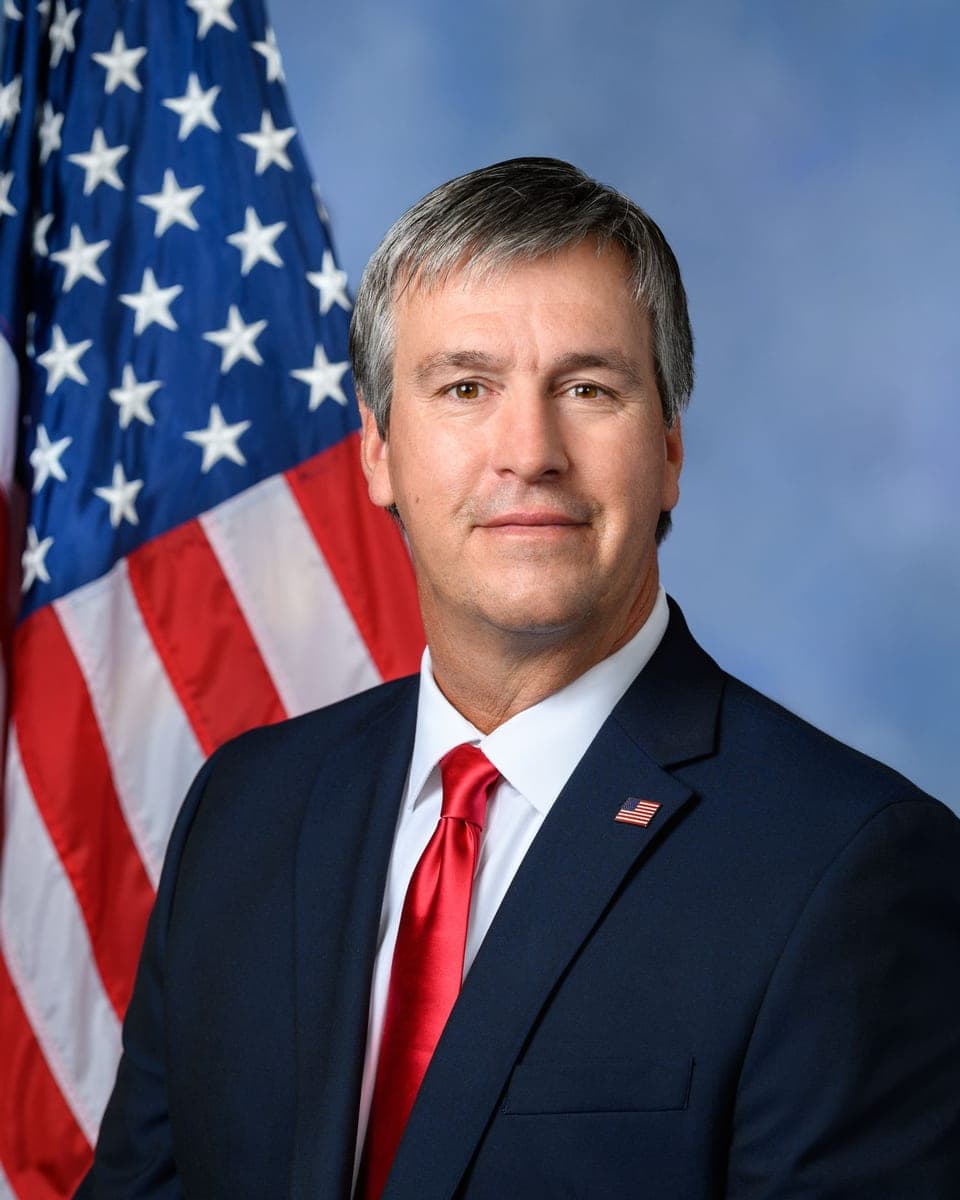
Alabama representative who introduced the House version of the spending-disclosure bill
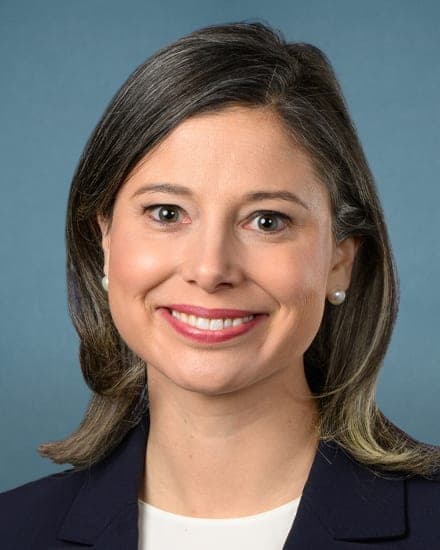
New Hampshire representative who introduced the House version of the spending-disclosure bill

Vice president who oversees the White House Task Force to Eliminate Fraud

Michigan senator who introduced the Senate version of the spending-disclosure bill with Ernst
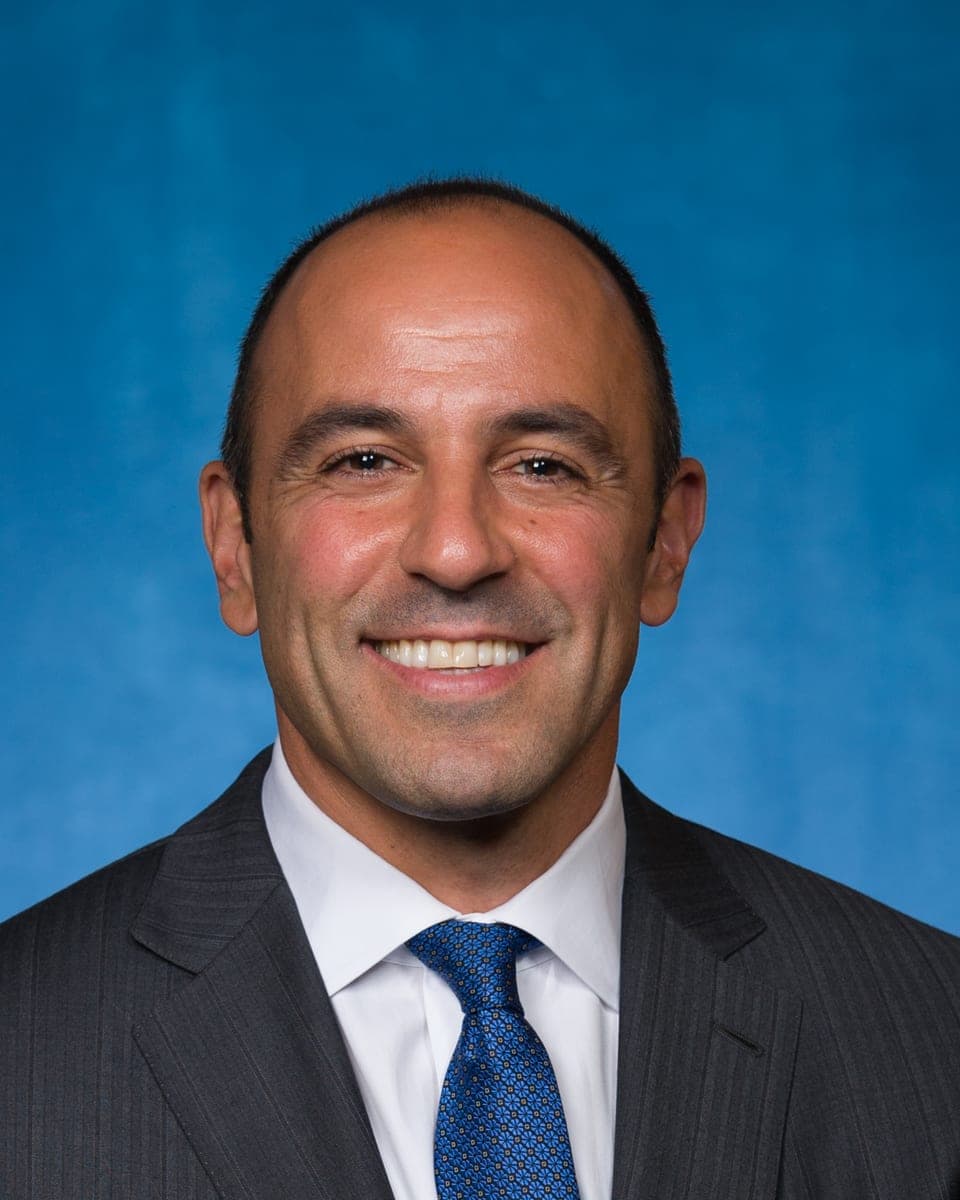
California representative who introduced the House version of the spending-disclosure bill
Part of a bigger story
2 OUTLETS- ARTICLES
- 2
- OUTLETS
- 2
- AVG CRED
- 43
Discussion · 0
Loading comments…