EXCLUSIVE: Rep. Keith Self Seeks To Bar Federal Agencies From Obtaining Flock Surveillance Data — Without A Warrant
Self introduced a bill that would require warrants for federal access to certain state and local surveillance data.
SOURCE CHECK
TAP FOR WHYThe Daily Caller is a partisan outlet that publishes attributed reporting, and this article names its reporter and identifies several sources. Its coverage includes a company response, but most quoted views favor the legislation.
- Source type — A partisan national news outlet; the article presents itself as an exclusive report.
- Author attribution — The article names Sean Moran and identifies his reporting beat.
- Source diversity — It quotes the bill’s sponsor, cosponsors, a company spokesperson and an outside policy advocate.
- Editorial standards — The text provides attributed statements and company claims, but does not establish a detailed corrections or editorial policy.
The article gives specific provisions and includes attributed statements from the sponsor, cosponsors, Flock and an outside policy advocate. The company offers some countervailing context, but the article includes little direct scrutiny of the bill or perspectives from law-enforcement agencies and other critics.
HOW WE SCORE ↗The article reports the sponsor’s rationale and quotes cosponsors, while also including Flock’s support for guardrails, its account of court rulings and its data-sharing policy. It does not present a direct response from law-enforcement agencies or a detailed critique of the proposed restrictions.
- Counterarguments presented — Flock notes that courts have generally not required warrants for public-space license-plate-reader use and stresses public safety.
- Source diversity — The sources include lawmakers, the company and an outside policy advocate, but few perspectives oppose the bill.
- Omitted context — No law-enforcement agency or other direct critic of the bill is quoted.
- Loaded language — Strong descriptions of surveillance are mostly presented as quotations attributed to supporters.
The article is framed as a straight report of a privacy bill and includes strongly supportive statements as well as Flock’s explanation of its position. The wording does not clearly establish a partisan lean.
- Language tone — The headline and narrative are mostly descriptive; charged terms such as “Orwellian” are attributed to lawmakers.
- Source selection — The article quotes the bill’s supporters and includes a response from Flock, though it lacks a direct law-enforcement critic of the bill.
- Framing — The report centers the legislation’s privacy rationale and describes the company’s safeguards and public-safety position.
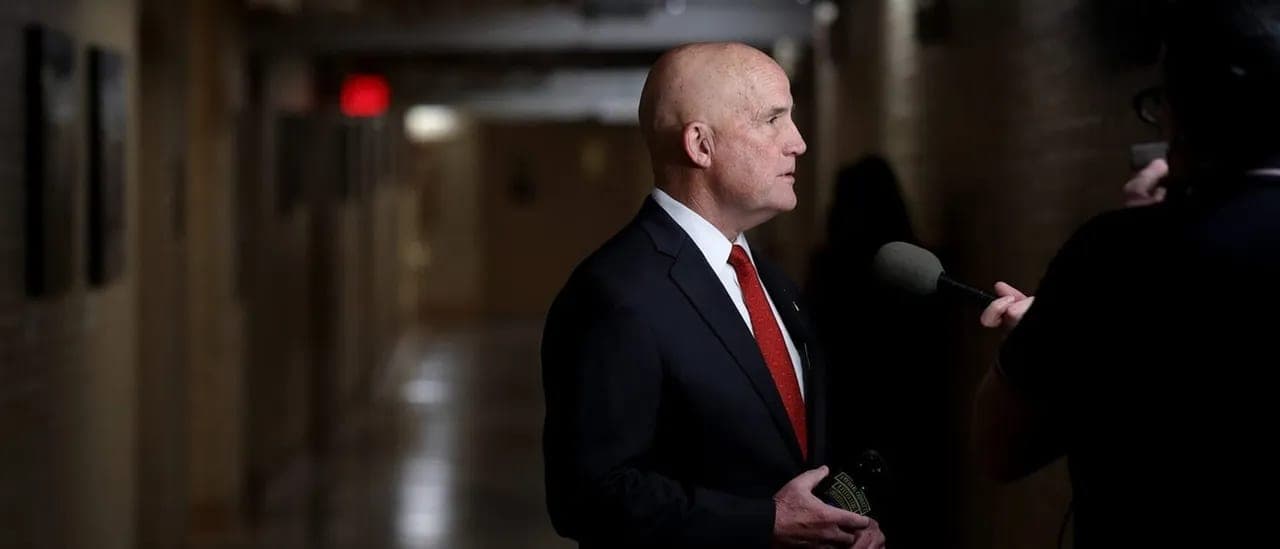
Rep. Keith Self introduced the PRIVACY Act, which would require federal law enforcement to obtain warrants to access certain state and local surveillance data. The bill also proposes limits on data retention and federal funding for surveillance systems.
Rep. Keith Self said his PRIVACY Act would require federal law enforcement to obtain a warrant before accessing or searching data from state and local surveillance systems, including automated license plate readers. It would also limit retention of data obtained under a warrant to 30 days, with exceptions, and bar federal funds from purchasing or installing the systems. Arizona Rep. Eli Crane and Georgia Rep. Andrew Clyde are cosponsors.
Self said the bill would protect Fourth Amendment rights. A Flock spokesperson expressed support for guardrails on license plate readers, while also saying more than 40 courts have found that their use in public spaces does not require a warrant. The article also describes Flock’s position that federal sharing is disabled by default and requires local customer permission.
Community verdict
18 VOTES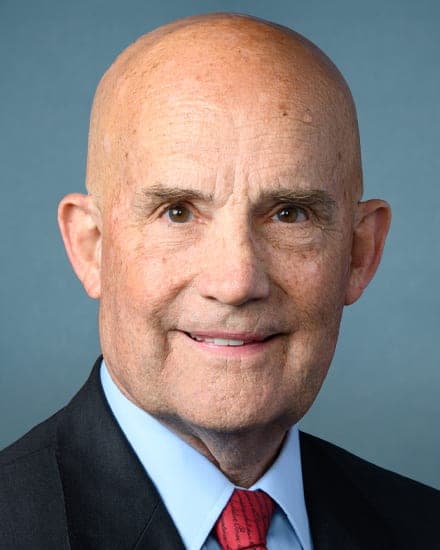
People in this story
SWIPE →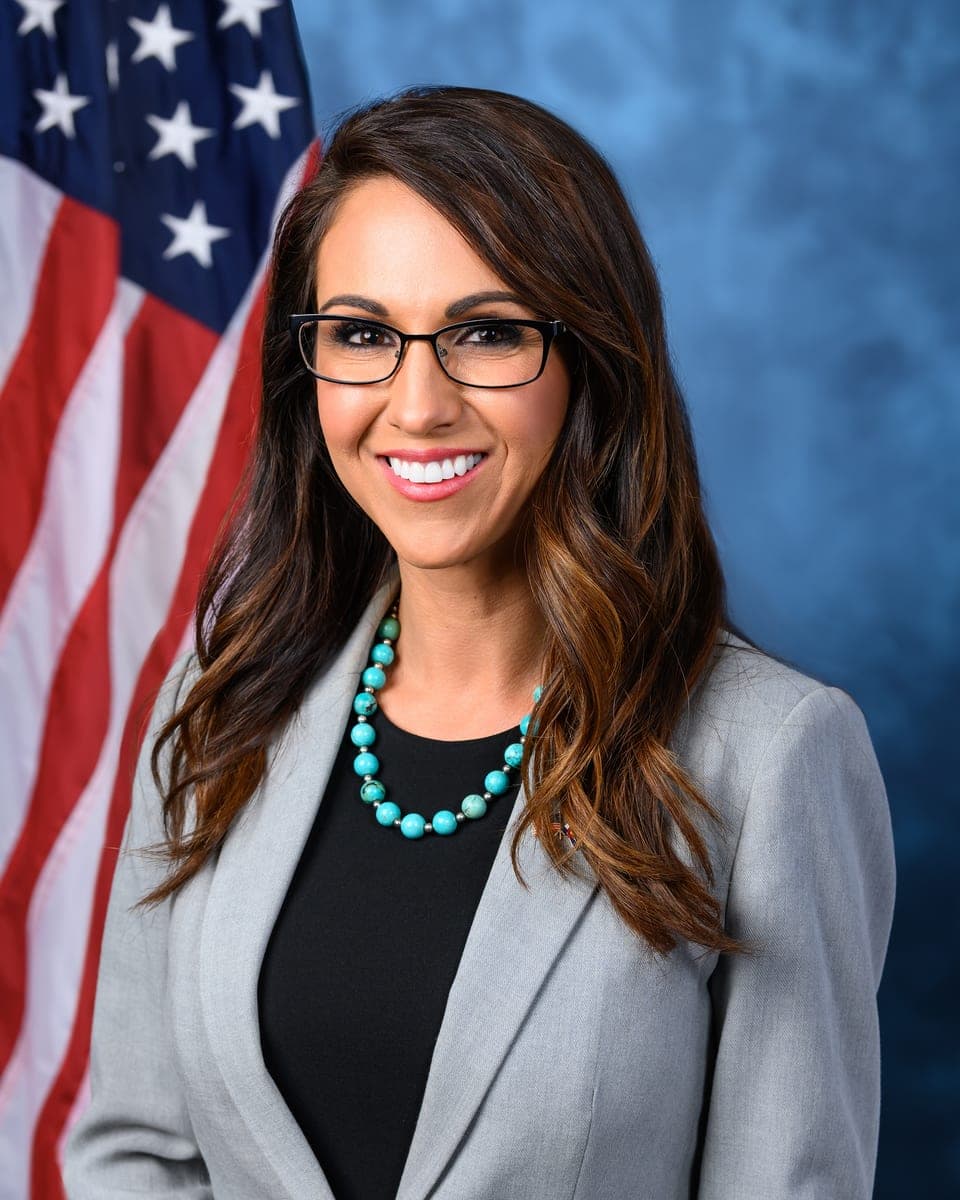
Colorado representative who previously criticized Flock camera systems
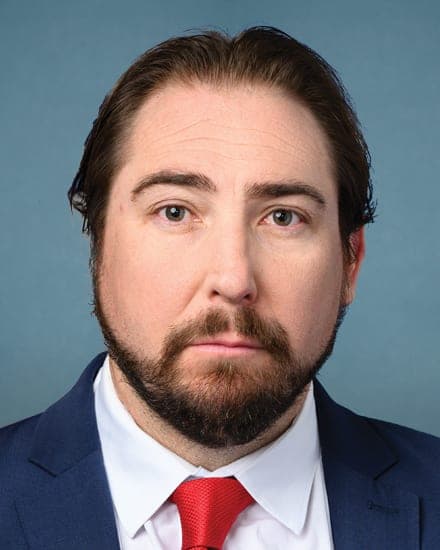
Arizona representative and original cosponsor of the PRIVACY Act
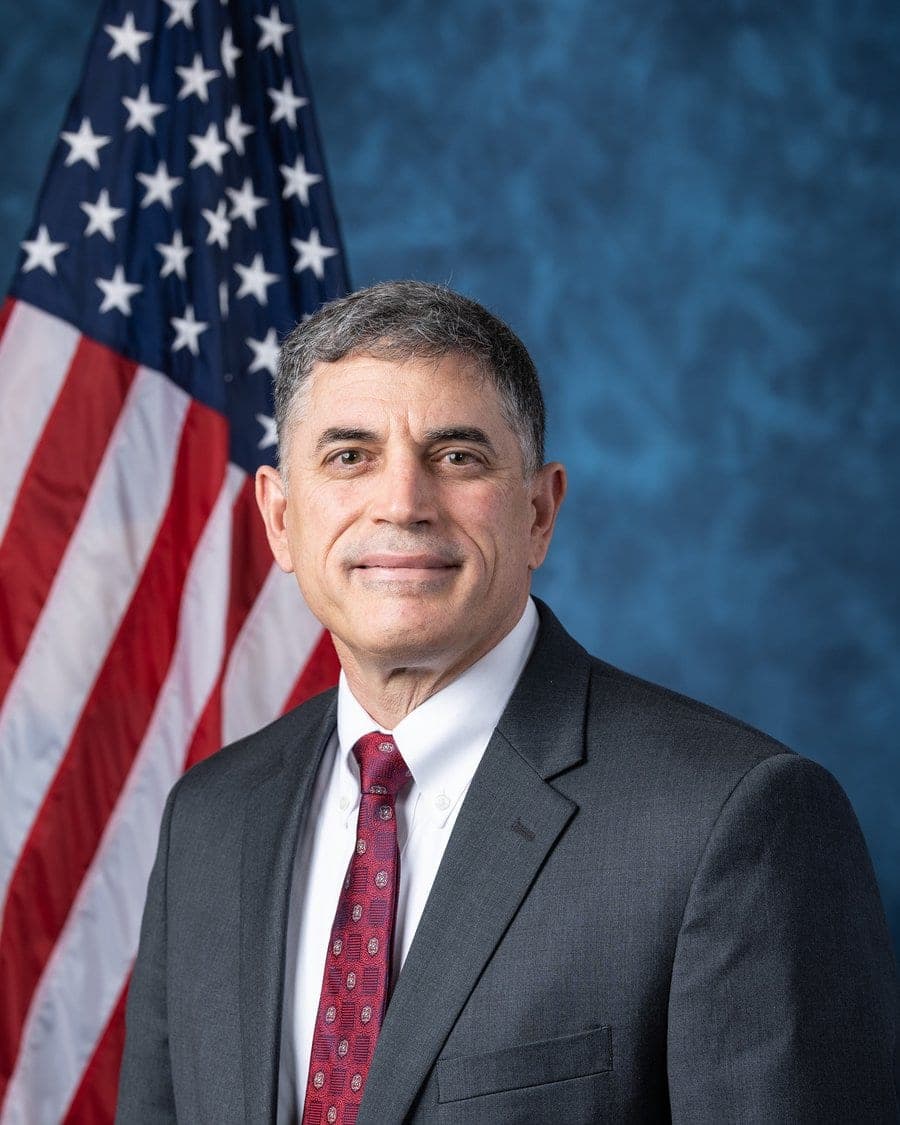
Georgia representative and cosponsor of the PRIVACY Act
Discussion · 0
Loading comments…