Pete Hegseth Humiliated as Senators Threaten to Clip His Wings Over Middle East and Latin America Strikes
Wicker led the committee that sought records and video from the Pentagon as a condition on the defense secretary’s travel budget.

SOURCE CHECK
TAP FOR WHYThe Daily Beast is an established national news outlet and the article identifies its author. The brief report offers limited detail about its underlying documents and the Pentagon declined to comment, so the story itself is less fully sourced than a longer investigation.
- Source type — An established national news publication, though not a wire service or newspaper of record.
- Author attribution — A named reporter is credited.
- Editorial standards — The publication has an identifiable newsroom, but this short article provides little methodological detail.
- Transparency — The article attributes a key statement to Reed and notes that the Pentagon declined to comment.
The article identifies the proposed budget restriction, the records sought, and several lawmakers' comments. Its sourcing is limited, with little explanation of the bill's status or the Pentagon's reasoning, and the Pentagon provides no comment.
HOW WE SCORE ↗The article presents the committee's rationale and includes lawmakers from both parties, but it does not provide the Pentagon's explanation or an account of why the requested information has not been provided.
- Source diversity — Both a Republican committee chair and a Democratic ranking member are represented, but the Pentagon gives no comment.
- Counterarguments presented — No substantive Pentagon response or counterargument appears.
- Loaded language — The headline is dramatic, but the article body is mostly restrained.
The headline uses dramatic language and the article emphasizes congressional criticism of the Pentagon, but the reporting itself is mostly descriptive and does not clearly advance a left- or right-leaning political position.
- Language tone — The headline is strongly phrased, while the body is comparatively matter-of-fact.
- Framing — The article foregrounds oversight demands and lawmakers' frustration, without a clear partisan argument.
- Source selection — It quotes Democratic and Republican lawmakers and notes the Pentagon's lack of comment.
A Senate Armed Services Committee provision would limit Pete Hegseth’s use of most of his travel budget until the Pentagon provides Congress with records and video related to military strikes. The committee’s action adds congressional pressure for information about civilian harm and U.S. operations.
The article reports that a defense policy bill filed by the Senate Armed Services Committee would allow no more than 25 percent of the defense secretary’s travel budget to be used until Hegseth provides Congress with unredacted civilian-harm investigations and other documents. The committee cited strikes in Yemen and Iran, as well as video of strikes against designated terrorist organizations in the U.S. Southern Command area.
Senate Armed Services Committee Chair Roger Wicker led the committee, and ranking member Jack Reed said the bill would strengthen national defense and congressional oversight. The article also recalls earlier complaints from House Armed Services Committee Chair Mike Rogers and Senator Rick Scott about information provided to lawmakers. The Pentagon declined to comment.
Community verdict
27 VOTES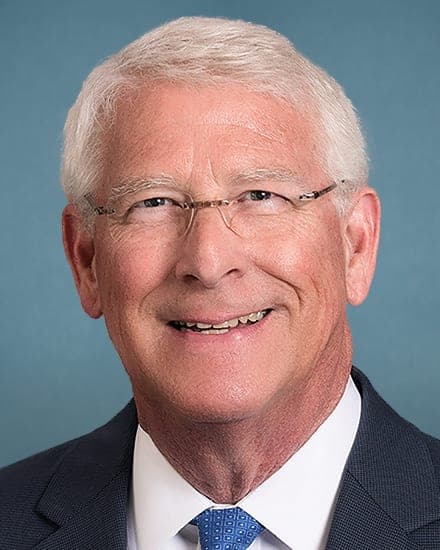
People in this story
SWIPE →Senate Armed Services Committee chair leading the committee's action
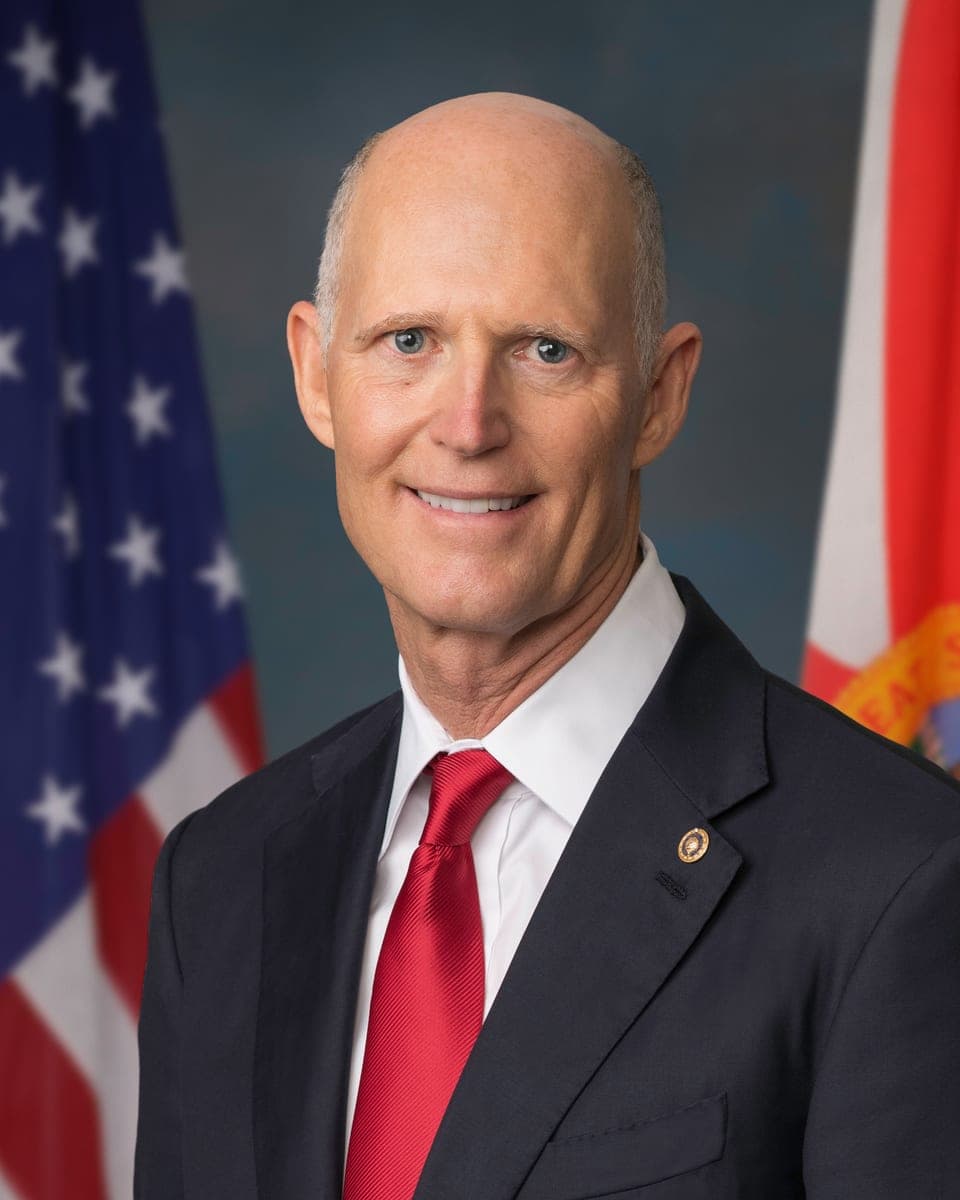
Florida senator cited as having questioned whether he was invited to a briefing

Senate Armed Services Committee ranking member who supported the bill

President whose administration Rogers criticized

Secretary of Defense whose travel budget would be restricted pending production of records

House Armed Services Committee chair who previously criticized the administration's information-sharing
Discussion · 0
Loading comments…