Fauci's COVID-origins hearing shows how conspiracy theories became political weapons
The article identifies Paul as a prominent congressional promoter of claims about Fauci and COVID-19 origins.
SOURCE CHECK
TAP FOR WHYThe Conversation is an established publisher of expert-written analysis, with named authors and an editorial process. This article identifies the author’s expertise and cites external findings, though its format is interpretive rather than original investigative reporting.
- Source type — Established nonprofit publisher of expert-authored analysis.
- Author attribution — The author is named and explains his relevant academic expertise.
- Editorial standards — The publication uses an editorial model for expert contributions, though the article is not a reported investigation.
- Transparency — The article identifies the author’s perspective and attributes key findings to outside organizations and investigations.
The article provides useful context, attributes findings to a WHO advisory group and a House Republican investigation, and distinguishes an open scientific question from more extreme claims. Its analysis relies substantially on the author’s interpretation and does not include direct responses from Republican lawmakers.
HOW WE SCORE ↗The article presents the Republican investigation’s conclusions and Fauci’s and Democratic members’ disagreement, and it gives context on the unresolved origins question. The account is nevertheless primarily an expert argument about conspiracy theory dynamics, without direct responses from the lawmakers discussed.
- Counterarguments presented — Notes that Fauci and Democratic members disputed the House investigation’s conclusions and that a lab leak remains possible.
- Source diversity — Draws on a WHO advisory group, a survey, the House investigation, and the author’s expertise, but includes few direct voices.
- Opinion vs reporting — Clearly presented as expert analysis, with the author’s assessment distinguished from reported findings.
- Omitted context — Does not include direct responses from the Republican officials whose claims it discusses.
The article is generally measured but frames Republican political promotion of COVID-origin claims as a mechanism for conspiracy theories to gain institutional authority. It also explicitly recognizes that investigating a laboratory accident is legitimate and that the origin question remains unresolved.
- Language tone — Mostly analytical, with critical language about conspiracy claims and their political amplification.
- Framing — Centers the political spread of conspiracy theories and the role of Republican officials.
- Source selection — Uses the author’s expertise and institutional findings, with limited direct input from the lawmakers criticized.
- Omission — Acknowledges uncertainty about origins and does not equate the lab-leak hypothesis itself with a conspiracy theory.
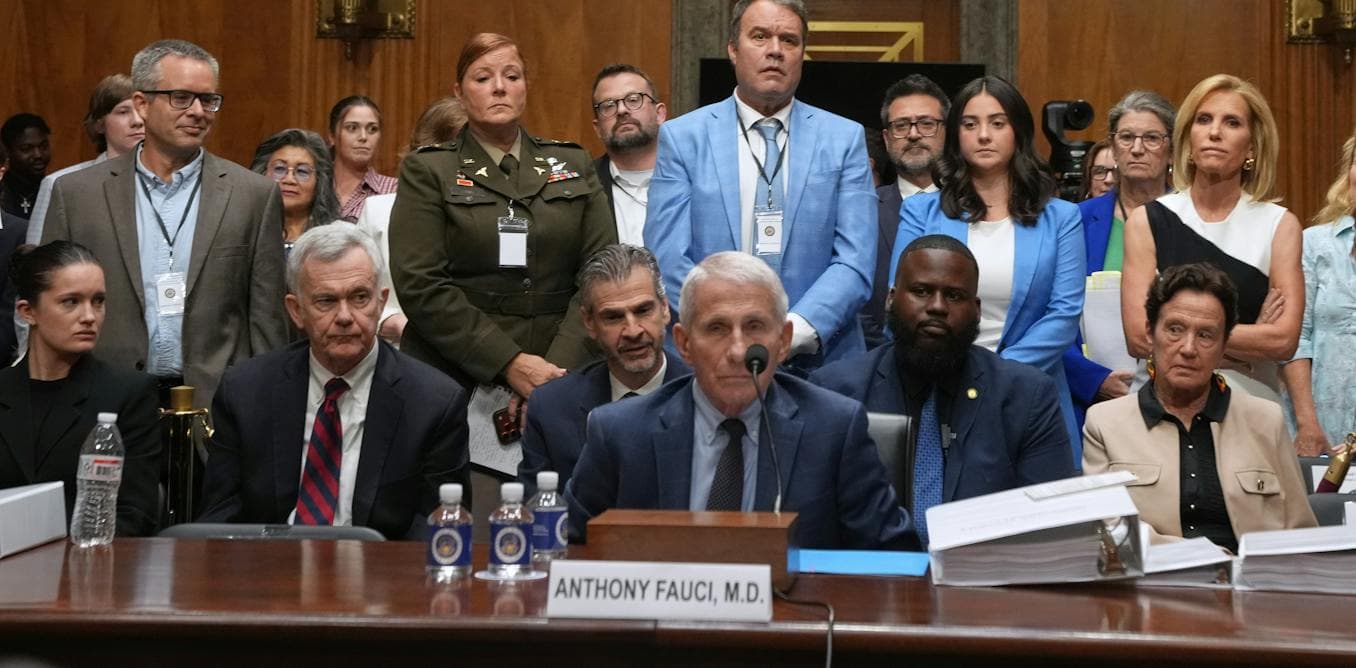
At a Senate hearing on COVID-19 origins, Anthony Fauci invoked the Fifth Amendment more than 100 times. The article argues that the hearing reflects how conspiracy theories have entered political institutions, while distinguishing the unresolved lab-leak question from claims that scientists deliberately created and released the virus.
Fauci invoked the Fifth Amendment more than 100 times during a Senate committee hearing on July 29, 2026. The article describes Sen. Rand Paul as a persistent promoter of accusations that Fauci enabled the pandemic through U.S.-funded research and helped conceal a connection to a Wuhan lab. Fauci has denied wrongdoing, and the article says he and his lawyer explained the decision to invoke the Fifth as a constitutional right and a way to avoid possible prosecution for statements to Congress.
The article distinguishes investigating a possible laboratory accident from claiming scientists deliberately created and released the virus. It reports that a World Health Organization advisory group said available evidence suggests animal-to-human spillover but that a lab leak could not be ruled out. It also notes that a House Republican investigation endorsed a likely lab leak and other claims about Fauci, which Fauci and Democratic members disputed; the investigation did not establish that the virus was intentionally manufactured or released.
Community verdict
11 VOTES
People in this story
SWIPE →Senator described as a persistent promoter of accusations against Fauci
Representative named as one of several Republicans who advanced versions of the Fauci and COVID-origins narrative
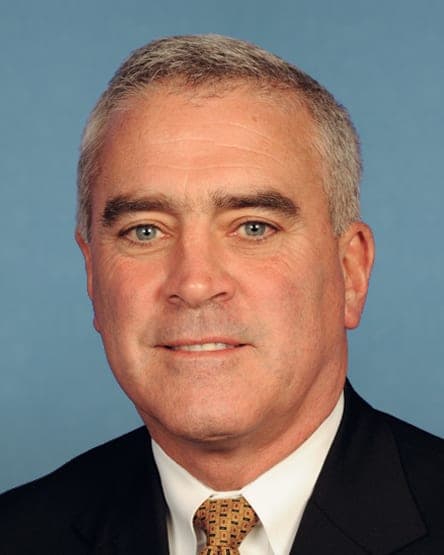
Former representative named among Republicans who advanced versions of the Fauci and COVID-origins narrative
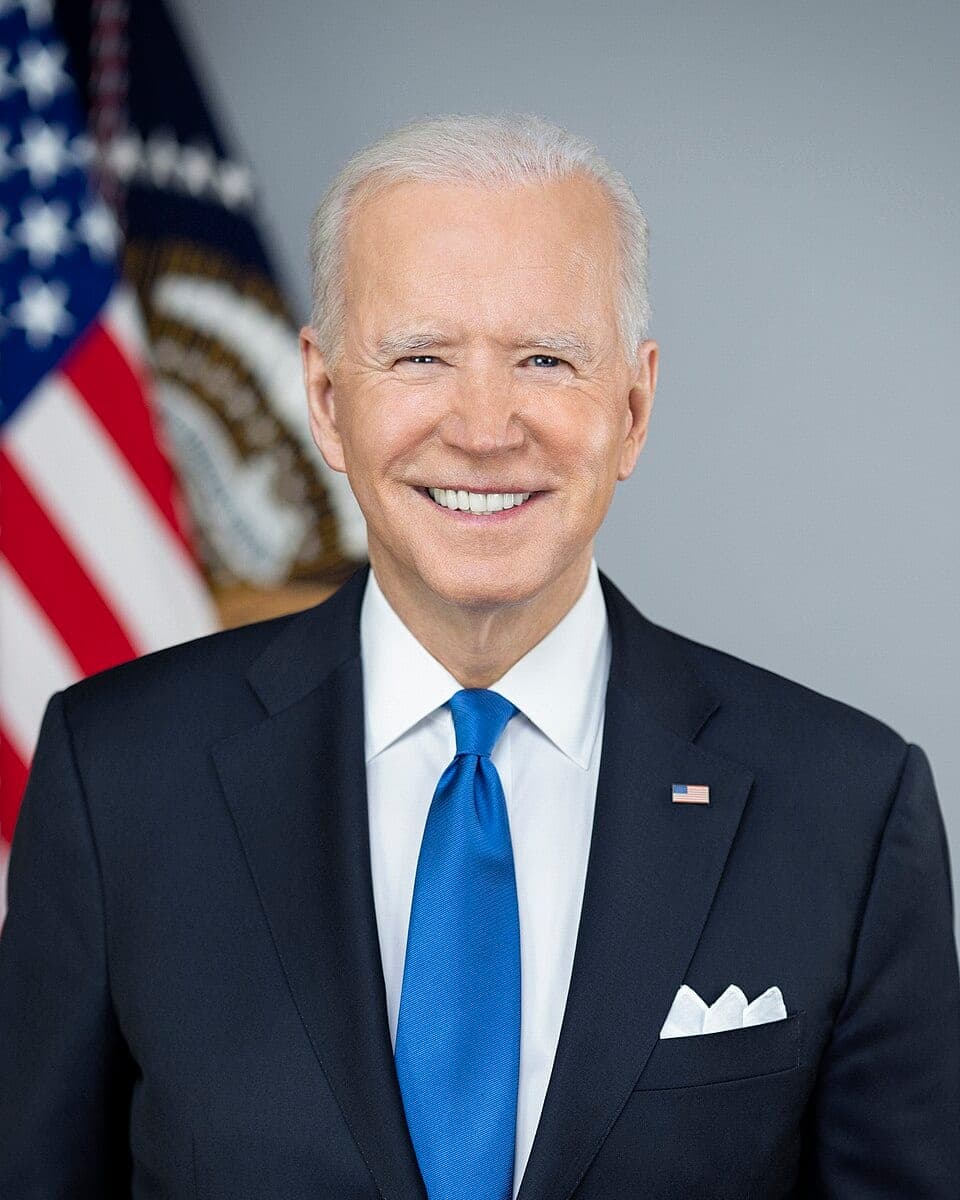
President who granted Fauci a preemptive pardon
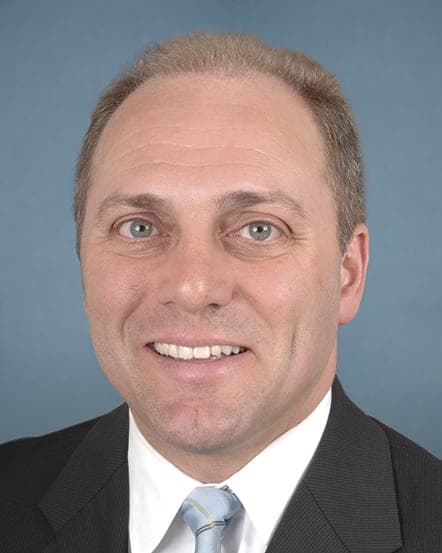
Representative named as one of several Republicans who advanced versions of the Fauci and COVID-origins narrative
Part of a bigger story
12 OUTLETSRand Paul led a Senate hearing questioning Anthony Fauci about his pandemic-era conduct. Left-leaning outlets focus on Paul's treatment of Fauci's diary and portray the hearing as a return to pandemic-era disputes. Center outlets emphasize Fauci's repeated Fifth Amendment invocations and Paul's contemplated contempt vote, while some note Paul's Gates questions or say the hearing yielded little new. Right-leaning outlets cast the hearing as scrutiny of Fauci and emphasize Paul's claims about Democrats' handling of documents and media coverage.
- ARTICLES
- 13
- OUTLETS
- 12
- AVG CRED
- 50
Discussion · 0
Loading comments…