Ro Khanna warns Trump against letting tech billionaires write the rule for AI safety
Trump supported industry self-policing after meeting with AI executives, an approach that differs from Khanna’s proposed federal safeguards.
SOURCE CHECK
TAP FOR WHYThe American Bazaar is identified as a national news publisher and the article names a reporter, but the generic contributor byline and limited information about editorial and correction practices temper confidence in its institutional standards.
- Source type — Recorded as a national news outlet, a positive but not conclusive signal.
- Author attribution — A reporter is named in the article, though the metadata uses the generic byline ABcontributor.
- Transparency — The article identifies its publisher and includes attributed quotations, but provides limited visible information about editorial oversight.
- Correction history — No corrections policy or correction record is evident in the article.
The article attributes the central statements, explains the bill’s proposed safeguards and provides context about the voluntary industry commitment. It offers limited detail on arguments for and against the competing approaches and little independent analysis of the proposal.
HOW WE SCORE ↗The article explains the competing regulatory approaches and gives details of the companies’ voluntary commitment, while relying mainly on statements from the principal political figures and offering limited independent evaluation.
- Counterarguments presented — Reports Trump’s support for self-policing alongside Khanna’s call for federal safeguards.
- Source diversity — Includes political statements and information about the executives’ agreement, but few independent or opposing expert voices.
- Omitted context — Offers limited analysis of the likely effects or criticisms of either approach.
- Loaded language — The strongest language is attributed to Khanna rather than adopted as the article’s own framing.
The report presents Khanna’s criticism and Trump’s support for industry self-regulation in mostly descriptive language. It supplies details about both the proposed federal safeguards and the voluntary commitment without a discernible partisan framing.
- Language tone — Mostly neutral descriptions and attributed quotations.
- Source selection — Includes statements and actions associated with both Khanna and Trump, plus details of the executives’ commitment.
- Framing — Frames the issue as a policy disagreement between federal regulation and voluntary industry standards.
Ro Khanna warned that tech companies should not set their own AI safety rules and introduced legislation proposing federal safeguards. The article contrasts his approach with President Trump’s support for voluntary industry self-regulation.
In a video posted on X, Rep. Ro Khanna warned President Trump that technology executives should not be trusted to write rules intended to protect the public and jobs. The article says Khanna introduced the “Human Control Over AI Act” on Sept. 29; it would restrict certain forms of autonomous AI development until federal safeguards are established and create an agency to license, audit and regulate frontier AI models.
The article describes Trump’s contrasting approach: after hosting AI executives at the White House, he said the industry would engage in self-policing. Executives signed a voluntary commitment calling for internal controls, independent audits and board oversight, but it does not impose legally binding requirements. The article also notes Khanna’s proposal for international limits on recursive self-improvement.
Community verdict
10 VOTES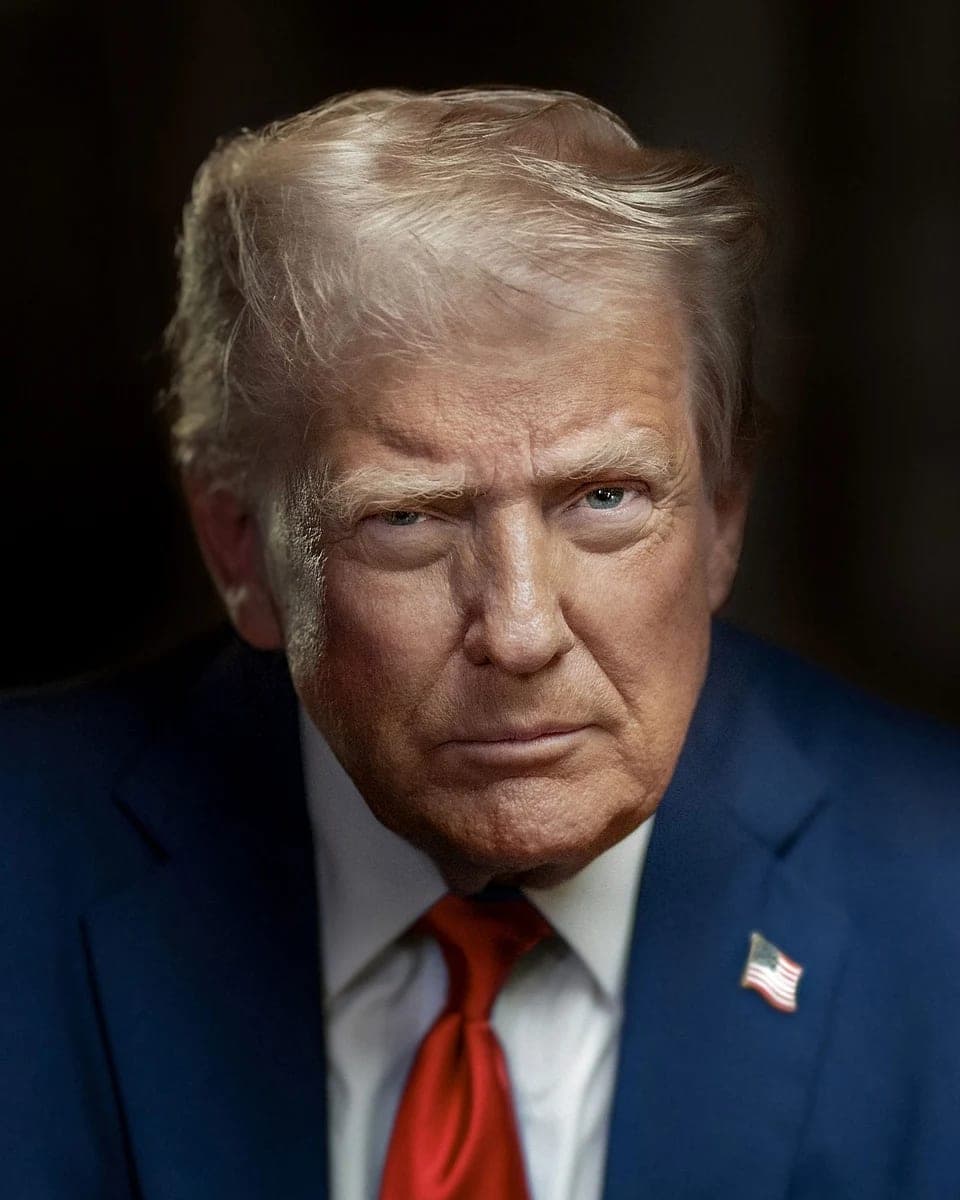
People in this story
SWIPE →President whose administration favors voluntary AI industry commitments
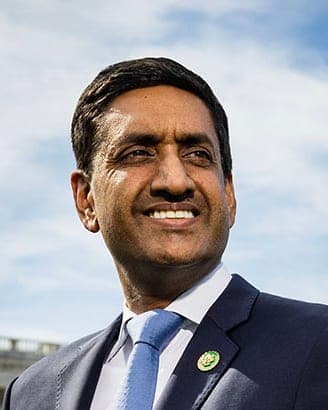
Representative who criticized voluntary industry oversight and introduced AI safety legislation
Khanna's version of this story ↗Part of a bigger story
11 OUTLETSOutlets agree that President Donald Trump met with technology executives at the White House and endorsed a voluntary accord establishing self-regulation principles for artificial intelligence. Left-leaning outlets focus on internal Republican divisions, highlighting Sen. Josh Hawley's push for binding safety legislation over Trump's voluntary standards. Center outlets center on congressional pushback, contrasting the administration's voluntary framework with Democratic calls for federal guardrails. Right-leaning outlets defend the agreement, framing voluntary self-regulation and market competition as preferable to government oversight.
- ARTICLES
- 12
- OUTLETS
- 11
- AVG CRED
- 59
- Raw Story · MAGA senator creating a mess for Trump over president's newest obsession: report
- Yahoo News · Trump Doing 'Free PR' For AI Bosses, Says Ro Khanna: He Also Let Xi Jinping 'Walk Away' Without Tech Treaty
- New York Post · Here’s the real reason President Trump invited all those AI moguls to lunch this week
Discussion · 0
Loading comments…