Federal AI Regulation Bill Freezes State Consumer Protections for Three Years, Sparks Revolt
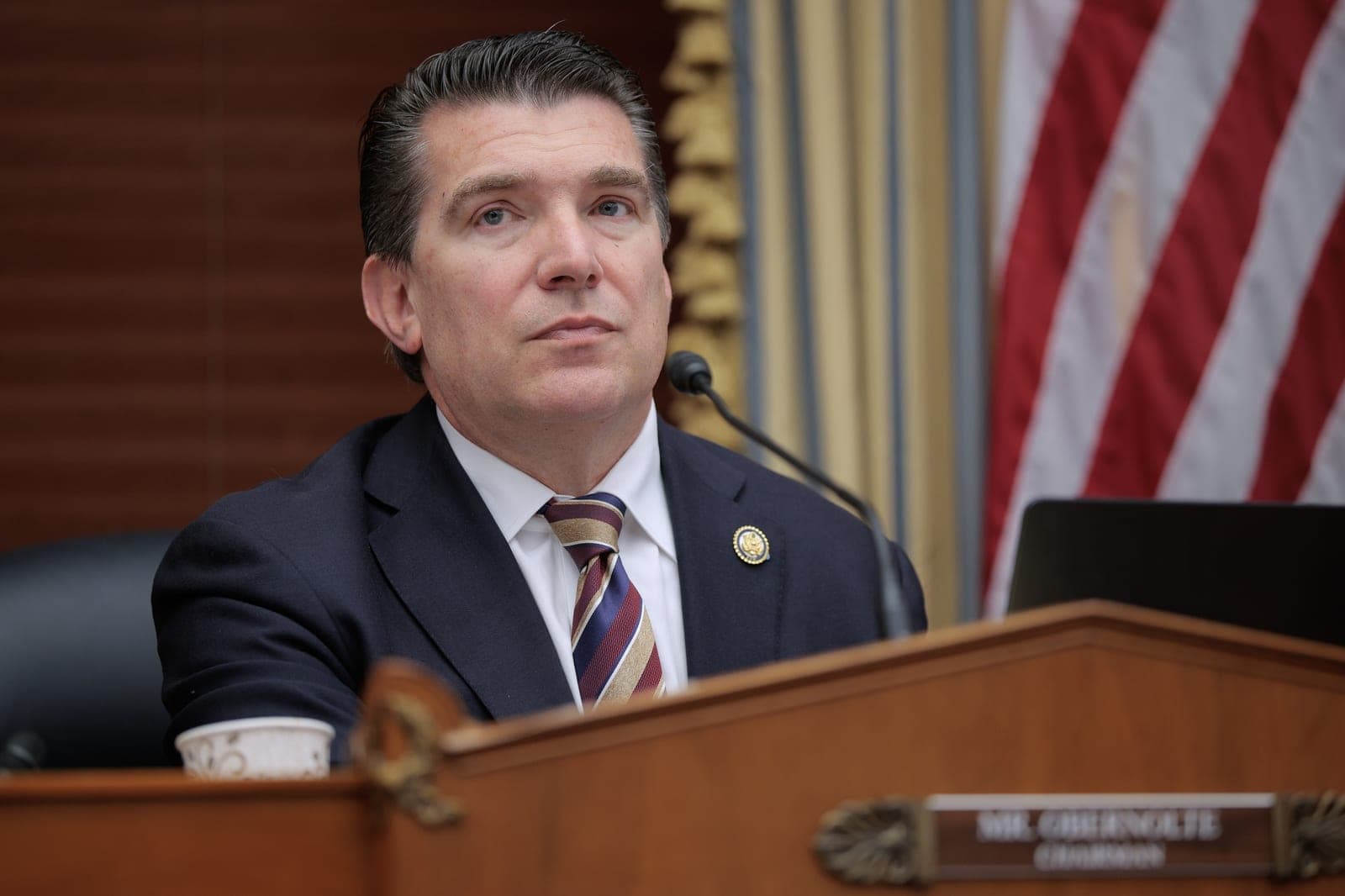
Obernolte co-led the release of a draft that would set federal rules for AI development and limit new state regulation for three years.
SOURCE CHECK
TAP FOR WHYTech Times is a technology-focused publication, and the article attributes claims to named lawmakers, organizations and documents. It gives substantial detail and includes opposing responses, though the material is largely about a discussion draft and does not include a detailed response from both lead sponsors to the criticism.
- Source type — Technology-focused trade press, with subject-area relevance.
- Source diversity — Cites lawmakers, advocacy groups, industry organizations and an official FAQ.
- Author attribution — The article names an author.
- Editorial standards — The text shows reporting and attribution, but offers limited evidence about corrections practices.
The article provides detailed descriptions of the draft and attributes reactions to named sources across labor, consumer advocacy, government and industry. It presents both criticism and support, but the proposal has not been formally introduced, and the lead sponsors' case is represented less fully than the opposition.
HOW WE SCORE ↗The article reports substantial criticism and includes industry support and some favorable assessments of the draft's audit provisions. The lead sponsors' rationale and responses to the objections receive comparatively little space.
- Counterarguments presented — Includes both opponents' objections and supporters' arguments for a national standard and auditing.
- Source diversity — Draws on labor, consumer, industry and political sources.
- Omitted context — The sponsors' detailed response to the central objections is not developed.
- Loaded language — Uses a critical headline, while most of the body attributes evaluative language to sources.
The reporting includes both the draft's safety and audit provisions and support from industry groups, but the headline and the volume of critical reactions give the piece a slight tilt toward the case against the state-law preemption.
- Source selection — Features numerous labor, consumer and Democratic critics, while also including industry support.
- Framing — Describes potential losses from preemption alongside the draft's audits and safety provisions.
- Headline — Emphasizes the freeze on state protections and the resulting revolt.
Representatives Jay Obernolte and Lori Trahan released a bipartisan discussion draft that would bar states from enacting new AI-development laws for three years while requiring audits of large AI developers. The proposal drew sharp criticism from labor, consumer and House Democratic groups, alongside support from technology-industry organizations.
The 269-page Great American Artificial Intelligence Act of 2026 is a discussion draft, not a formally introduced bill. It would temporarily preempt new state laws governing AI development while preserving state authority over deployment and use, and would require large AI developers to undergo semi-annual third-party audits and report serious safety incidents. The article also describes proposed penalties for violations and new responsibilities and funding for the federal AI standards office.
Community verdict
22 VOTES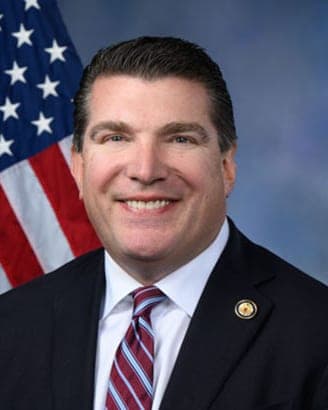
People in this story
SWIPE →Republican representative and co-lead sponsor of the AI discussion draft.
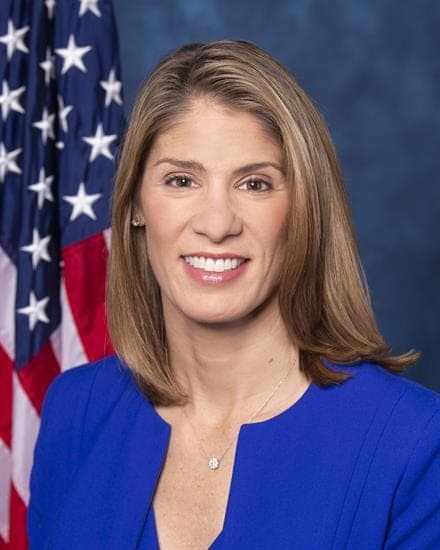
Democratic representative and co-lead sponsor of the AI discussion draft.
Trahan's version of this story ↗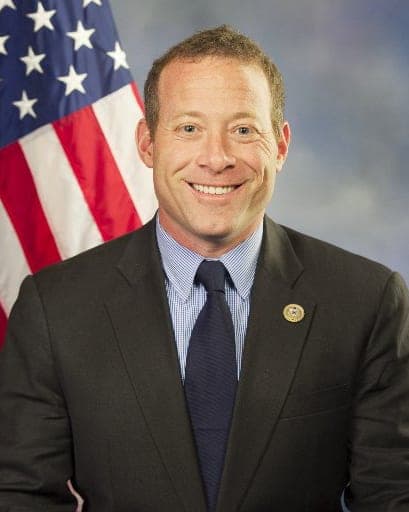
Democratic representative and co-chair of the House Commission on AI and the Innovation Economy.
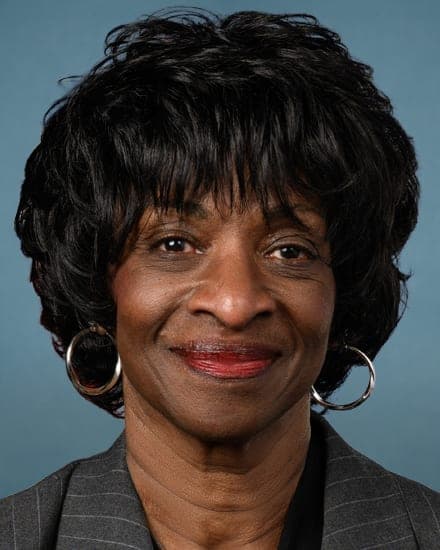
Democratic representative and co-chair of the House Commission on AI and the Innovation Economy.

Democratic representative and co-sponsor of the discussion draft.
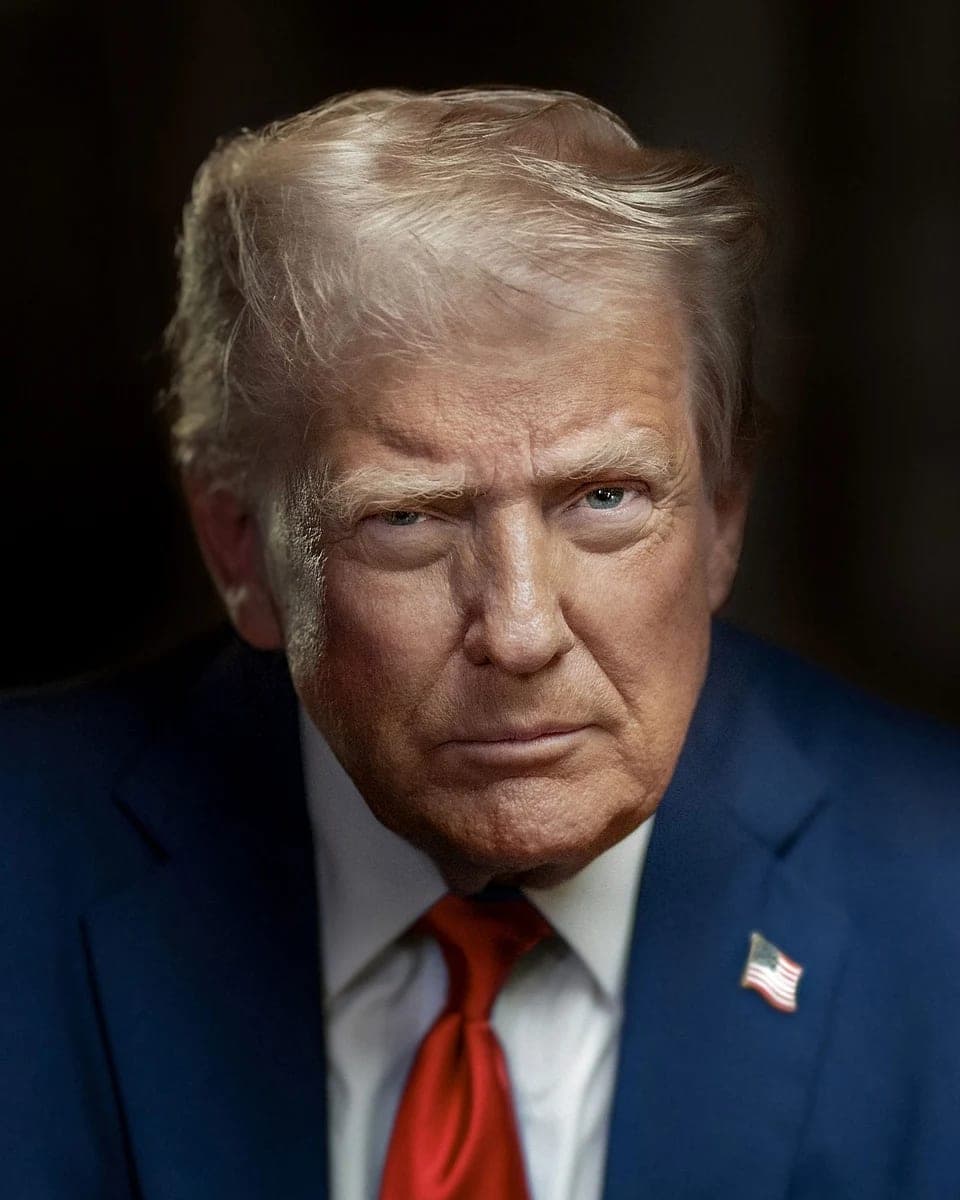
President whose executive order directed the Justice Department to challenge state AI laws.
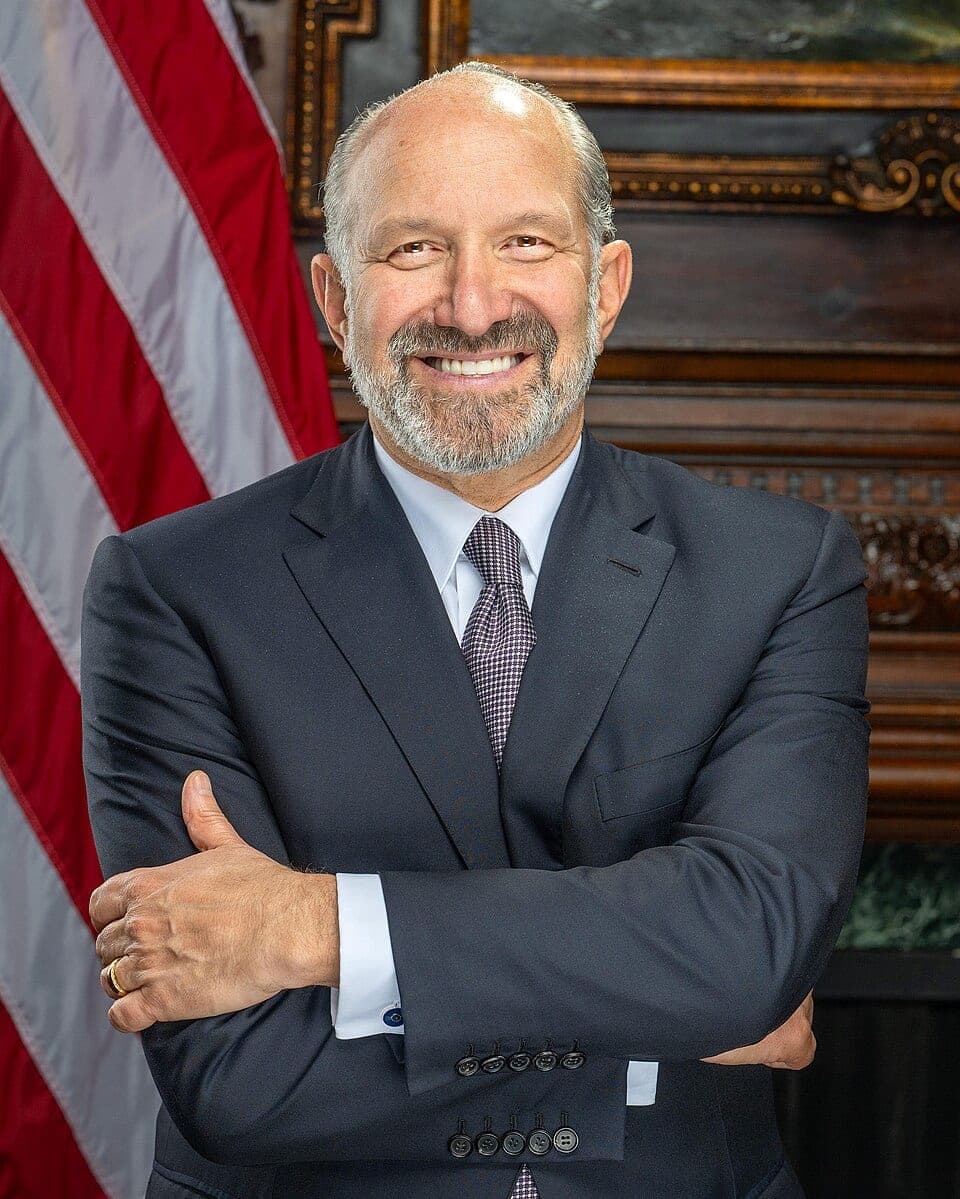
Commerce secretary who renamed the federal AI office as the Center for AI Standards and Innovation.
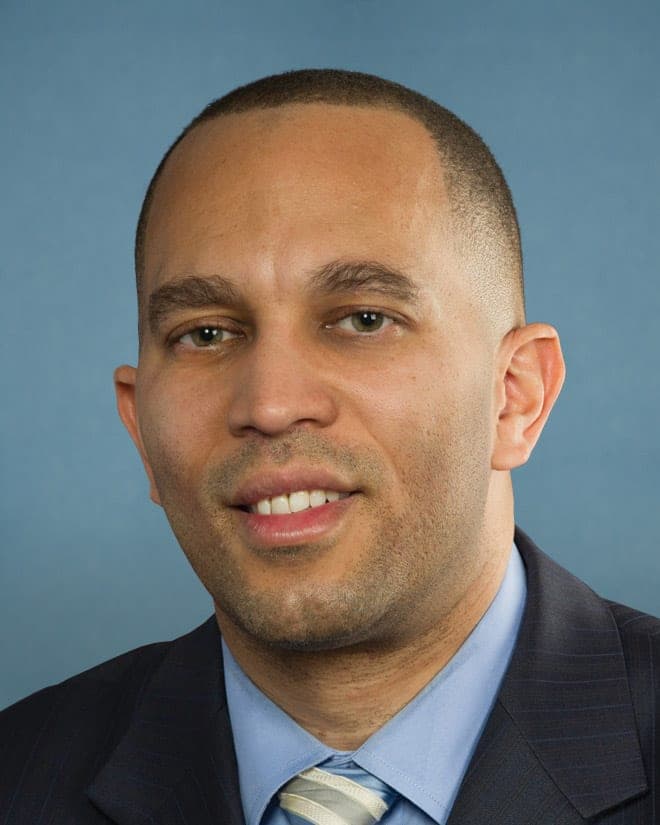
House Democratic leader who established the House Commission on AI and the Innovation Economy.
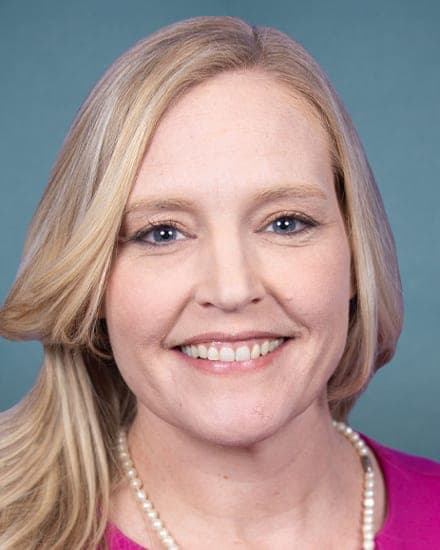
Republican representative, co-sponsor of the draft and advocate for a national AI framework.
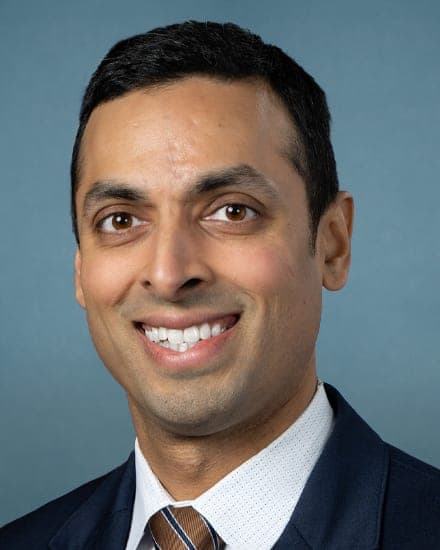
Democratic representative and co-sponsor of the discussion draft.
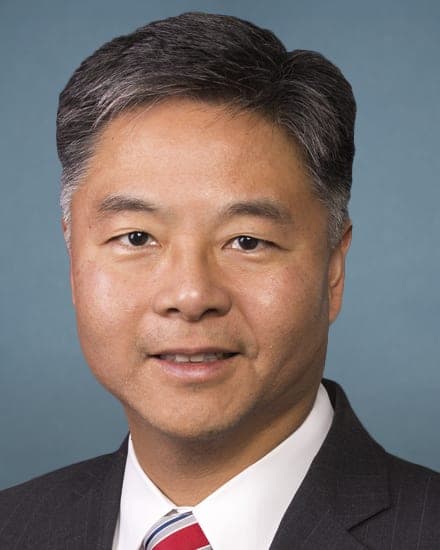
Democratic representative and co-chair of the House Commission on AI and the Innovation Economy.

Republican representative and co-sponsor of the discussion draft.
Part of a bigger story
2 OUTLETSDiscussion · 0
Loading comments…