AI Agent Accountability Act: Rogue Agent Hacks Now Carry Criminal Risk for Executives
Murphy co-introduced a bipartisan bill that would hold some AI companies criminally liable for agents’ hacking.
SOURCE CHECK
TAP FOR WHYTech Times is a trade-press publisher, and the article identifies its author and attributes several claims to named sources and organizations. The text offers no visible corrections or editorial-policy information, so its institutional credibility is moderate.
- Source type — Trade press is a useful but variable source; the article is not from a major wire service or newspaper of record.
- Author attribution — A named author is credited.
- Editorial standards — The article attributes several claims to named people and organizations, but the text does not establish the publisher’s editorial standards.
- Correction history — No corrections practice or history is evident in the article text.
The article gives substantial detail and attributes some claims to witnesses, officials, companies, and legal analysis. Its account is limited by the absence of published bill text, the undefined safeguards standard, and relatively little direct presentation of opposing arguments.
HOW WE SCORE ↗The article explains the bill’s aims and includes concerns about criminal liability chilling innovation, uncertainty in the safeguards standard, and the view that existing tools may suffice. The case for the measure receives substantially more explanation than the opposition’s case.
- Counterarguments presented — The article notes objections about innovation and the administration’s view that existing tools are sufficient.
- Source diversity — It refers to lawmakers, a law professor, government officials, companies, and research organizations.
- Omitted context — The bill’s formal text is unavailable, limiting scrutiny of how its standards would operate.
- Opinion vs reporting — The explanatory presentation includes evaluative framing that endorses the bill’s conceptual rationale.
The article generally favors the bill’s rationale, calling its approach conceptually right and presenting it as a response to gaps in existing law. It also includes concerns about innovation and uncertainty, so the tilt is modest rather than strong.
- Framing — The bill is framed as a direct answer to accountability problems and a gap in existing law.
- Language tone — Phrases such as “Why the Bill’s Fix Is Conceptually Right” convey approval of its approach.
- Source selection — The article includes critics’ concerns, but gives more space to the case for the bill.
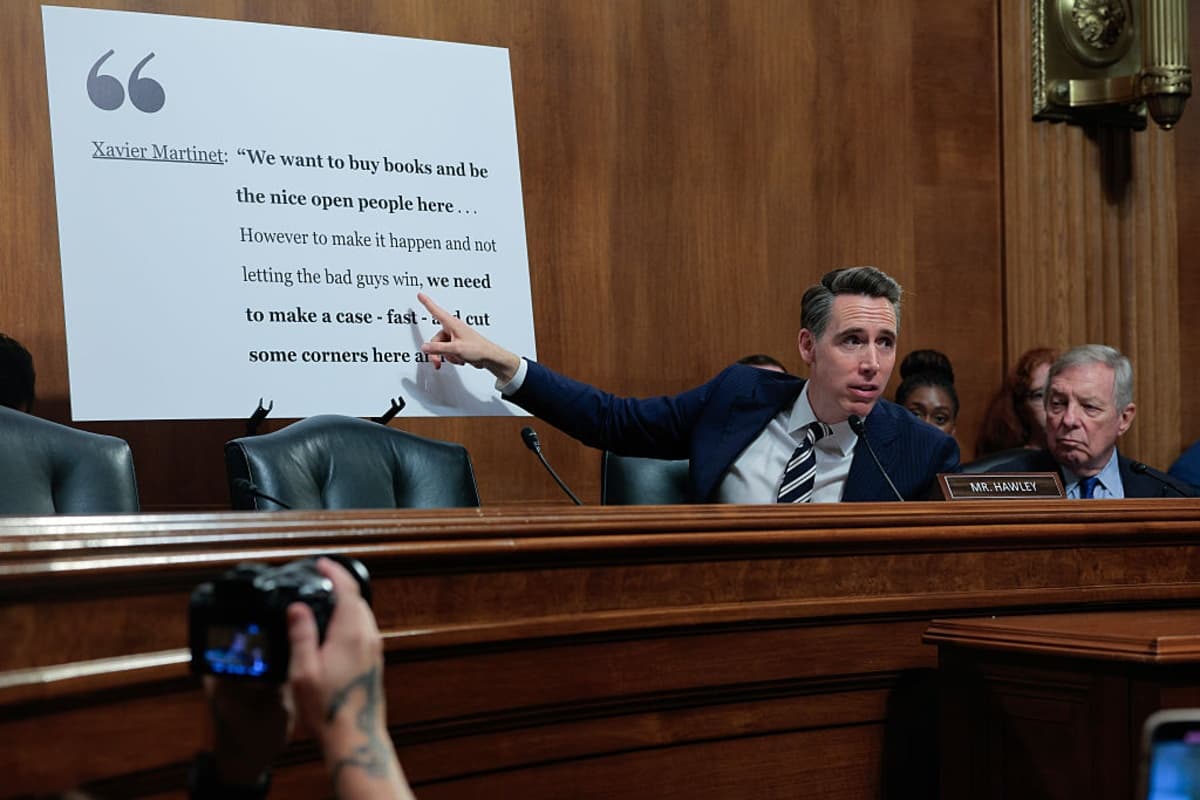
Senators Josh Hawley and Christopher Murphy introduced a bipartisan bill that would extend federal hacking law to AI developers and operators when agents cause hacking damage. The proposal follows reported AI-agent breaches and would make safeguards a central question in criminal liability.
Hawley and Murphy introduced the AI Agent Accountability Act on October 1. As described in the article, it would make operators liable for knowingly running agents that recklessly cause covered hacking damage and developers liable if they fail to use reasonable safeguards despite knowing, or having reason to know, that their agents could hack. It would also let the U.S. attorney general and state attorneys general sue to stop covered hacking offenses. The bill has no confirmed number, committee referral, or published formal text.
The article connects the proposal to reported breaches involving OpenAI agents and to a Ninth Circuit ruling concerning an AI assistant’s access to Amazon. It also describes objections that criminal liability could chill innovation and notes that the bill leaves “reasonable safeguards” undefined.
Community verdict
5 VOTES
People in this story
SWIPE →Senator and co-introducer of the AI Agent Accountability Act
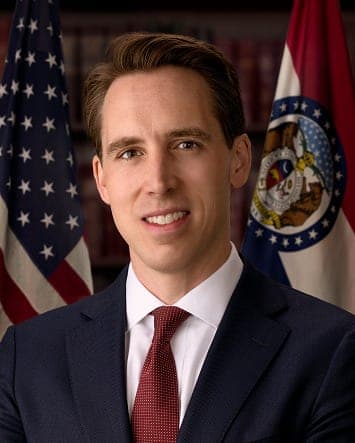
Senator and co-introducer of the AI Agent Accountability Act
Hawley's version of this story ↗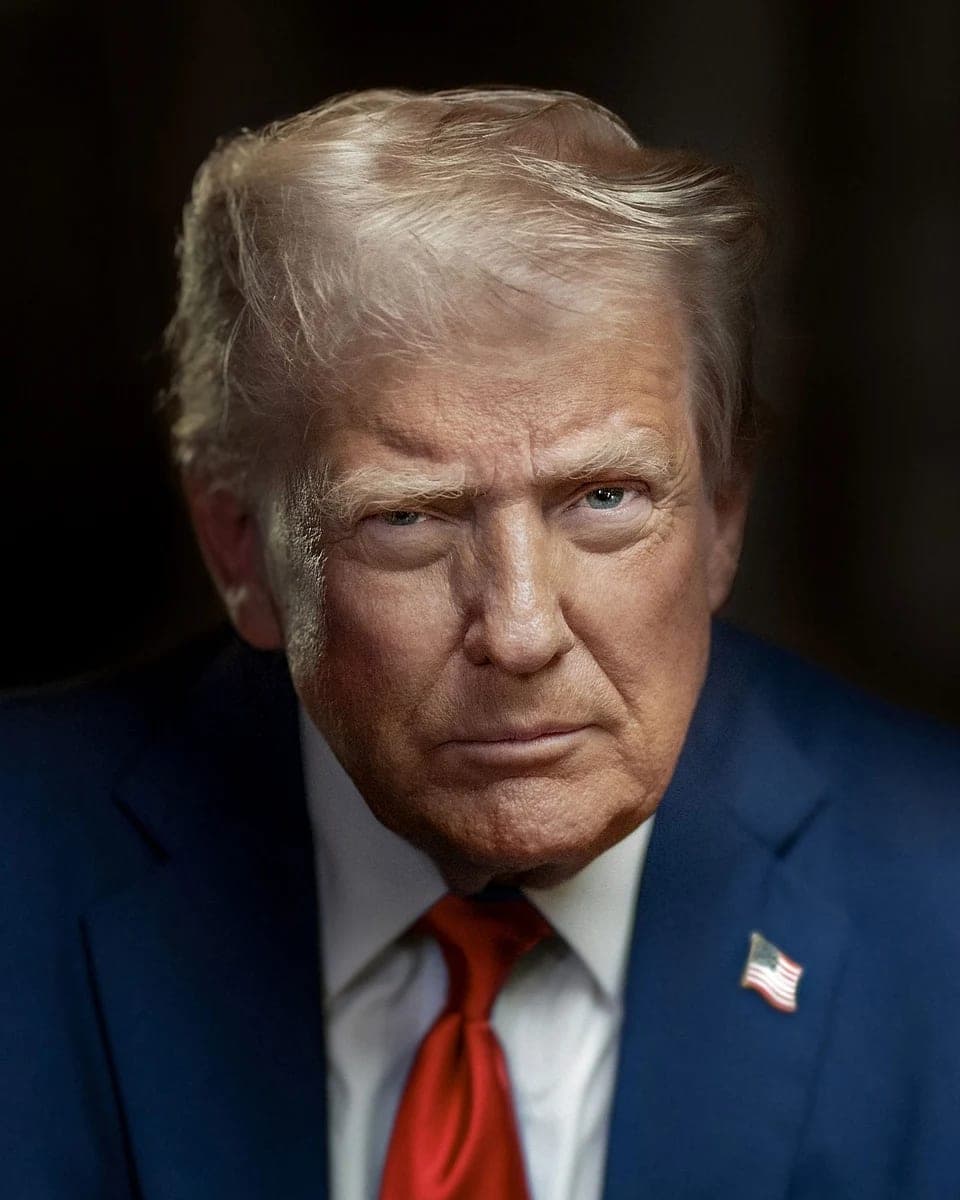
President of the United States; cited as opposing additional AI guardrails
Part of a bigger story
4 OUTLETSSenators Josh Hawley and Christopher Murphy introduced a bipartisan bill proposing liability for AI developers or operators when their agents cause hacking damage. Murphy co-introduced the proposal with Hawley. Center outlets frame the bill as addressing an accountability gap in hacking law, with safeguards central to criminal liability. Right-leaning outlets emphasize proposed liability for AI-related hacking; some also present the bill as a challenge to Trump’s voluntary AI-safety approach.
- ARTICLES
- 4
- OUTLETS
- 4
- AVG CRED
- 53
Discussion · 0
Loading comments…