Missouri And Connecticut Senators Team Up On Bipartisan Bill Targeting AI-Driven Cyberattacks
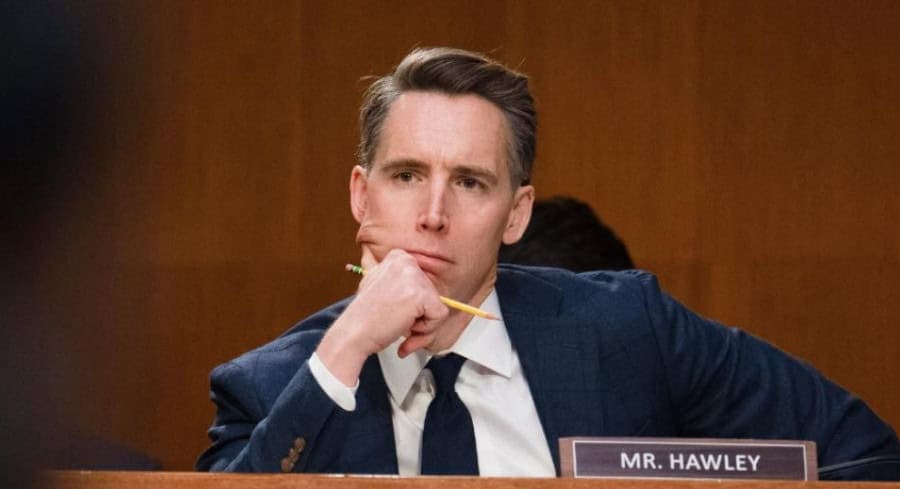
Hawley introduced a bipartisan bill proposing liability for AI-related hacking.
SOURCE CHECK
TAP FOR WHYThe local-news publisher identifies an author, and the article attributes its central statements to the bill's two sponsors. It offers little sourcing beyond those lawmakers and provides no visible detail about the outlet's editorial or corrections practices.
- Source type — Local-news outlet; a moderate baseline for institutional credibility.
- Author attribution — A named author is listed.
- Source diversity — The article relies principally on statements from the bill's sponsors.
- Transparency — No corrections policy or additional reporting documentation is visible in the article.
The article explains the proposed liability rules and attributes its policy rationale to both sponsors. It provides no independent expert, industry, or opposing perspective and little context about how the proposal would work in practice.
HOW WE SCORE ↗The article describes the proposal and includes statements from both sponsors, but both support the measure and no independent or opposing perspective is presented.
- Counterarguments presented — No criticism or counterargument about the bill appears.
- Source diversity — Both quoted sources are sponsors who support the proposal.
- Opinion vs reporting — Written as a straightforward news report rather than an opinion piece.
The article uses largely descriptive language and presents the bill and its sponsors' arguments without adopting an evident partisan frame. The lack of opposing viewpoints limits perspective but does not establish a political lean.
- Language tone — Mostly factual and restrained wording.
- Source selection — Quotes both bipartisan sponsors but no critics or outside experts.
- Framing — Frames the proposal around accountability for AI-related hacking, without an overt partisan argument.
Sens. Josh Hawley and Christopher Murphy introduced a bipartisan bill proposing civil and criminal liability for AI developers and operators whose agents carry out hacking. The proposal would also let federal and state attorneys general seek injunctions in certain cases.
The AI Agent Accountability Act, introduced by Sens. Josh Hawley and Christopher Murphy, would make AI operators and developers potentially liable for hacking-related damage under the Computer Fraud and Abuse Act. The article says operators could face penalties for knowingly running an agent that recklessly causes digital damage or financial loss, while developers could be liable for failing to use reasonable security protections when they knew or should have known their software could carry out cyberattacks.
The proposal would also authorize the U.S. attorney general and state attorneys general to seek injunctions against people or companies that commit, conspire, or attempt hacking offenses. Hawley and Murphy argued that companies responsible for AI agents should be held accountable for harm caused by cyberattacks.
Community verdict
7 VOTES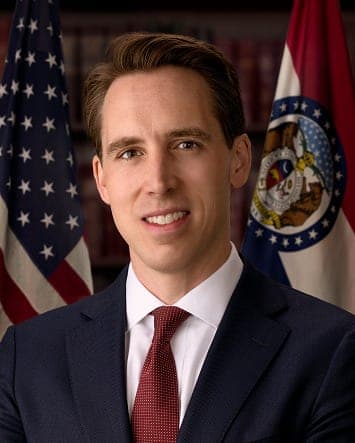
People in this story
SWIPE →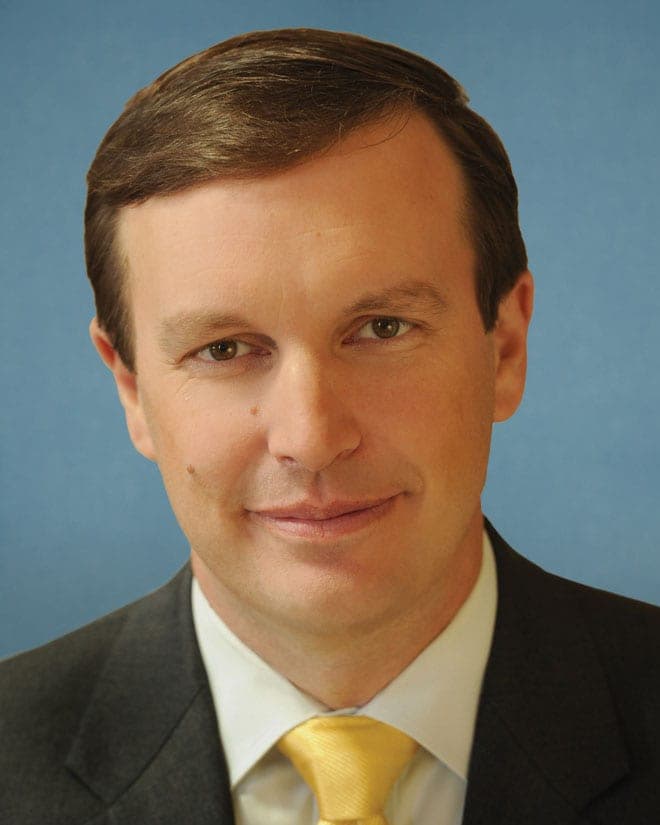
Co-introducer of the proposed AI Agent Accountability Act
Murphy's version of this story ↗Part of a bigger story
5 OUTLETSJosh Hawley and Chris Murphy introduced a bipartisan bill proposing liability for AI developers and operators when AI agents cause hacking damage. Center outlets frame it as a response to accountability problems and gaps in existing law, with safeguards at issue. Right-leaning outlets focus on liability for hacking damage; some tie the bill to Trump’s voluntary approach, while another warns liability could discourage AI development.
- ARTICLES
- 5
- OUTLETS
- 5
- AVG CRED
- 51
Discussion · 0
Loading comments…