Addressing Tahoe's golden mussel threat at the federal level
Cortez Masto described federal legislation and local resources as part of efforts to stop golden mussels from spreading.
SOURCE CHECK
TAP FOR WHYThe Tahoe Daily Tribune is a local news publisher with an identified reporter and a locally focused account. The story includes statements from Cortez Masto and a named regional program, though much of its policy detail comes from officials and program sources.
- Source type — Local news outlet reporting on a regional issue.
- Author attribution — A named reporter is credited.
- Transparency — Identifies the senator and local program sources, but provides limited sourcing for some background claims.
The article gives relevant figures, dates and program details and attributes the senator’s remarks. Its reporting relies mainly on one interview and official or program information, with limited independent sourcing or additional perspectives.
HOW WE SCORE ↗The story provides local context and describes several prevention efforts, but the federal response is presented mainly through Cortez Masto’s account and does not include a broader range of perspectives.
- Source diversity — Includes a senator’s remarks and information attributed to a regional program, but few distinct perspectives.
- Opinion vs reporting — Presented as a factual news report, without overt editorializing.
- Counterarguments presented — No opposing view is included; the story does not describe a significant dispute.
The article uses matter-of-fact language and reports the senator’s comments and local prevention efforts without an apparent partisan frame.
- Language tone — Mostly descriptive and nonpartisan wording.
- Source selection — Relies on a senator and regional program information, without clear partisan source selection.
- Framing — Frames the issue as a local ecological threat and reports federal and regional responses.
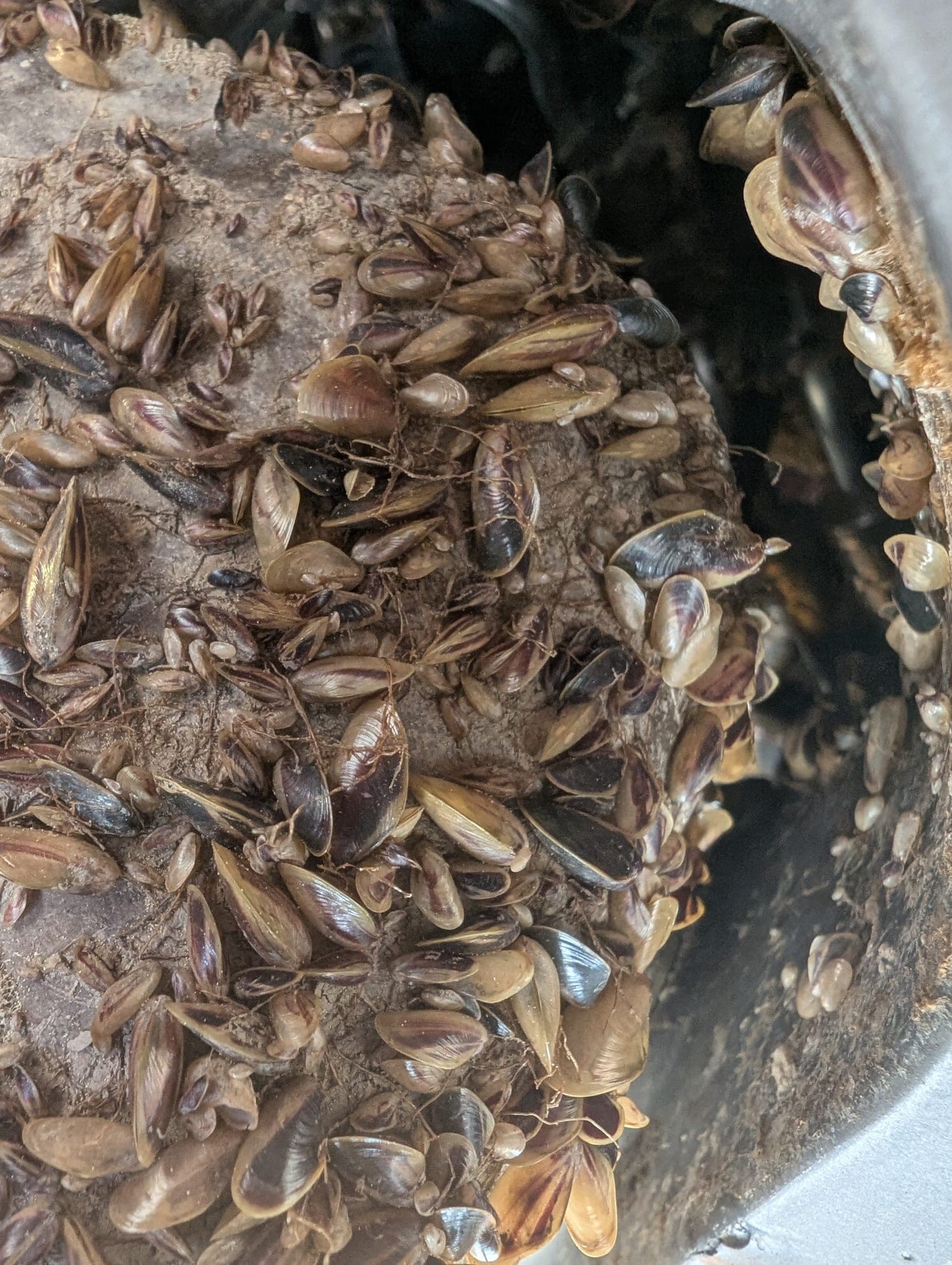
At the Tahoe Summit, Sen. Catherine Cortez Masto discussed federal efforts to limit the spread of golden mussels and said stopping their spread is the immediate goal. Existing programs and grants support prevention work at Lake Tahoe.
Golden mussels, first detected in California’s Sacramento-San Joaquin Delta in October 2024, are a concern for Lake Tahoe. The Lake Tahoe Invasive Species Program says they tolerate a wider range of habitats than quagga and zebra mussels and can affect water quality and native species. Tahoe inspectors have intercepted 10 vessels carrying golden mussels.
At the Tahoe Summit, Cortez Masto said the immediate effort is to stop the spread and pointed to legislation addressing aquatic invasive species. A pilot program created by Cortez Masto and Sen. Jackie Rosen was reauthorized in 2024. In January 2025, the Washoe Tribe and Tahoe Regional Planning Agency received $3.1 million for prevention work, funded through the Bipartisan Infrastructure Law. Cortez Masto also emphasized inspections and public participation.
Community verdict
15 VOTES
People in this story
SWIPE →Discussed federal efforts and legislation addressing the spread of golden mussels.

Namesake of the 2024 Water Resources Development Act referenced in the article.
Discussion · 0
Loading comments…