Sen. Tim Scott's bipartisan bill aims to bring film jobs back to the U.S.
Scott says a proposed tax credit could help bring film production and jobs back to the United States.
SOURCE CHECK
TAP FOR WHYSouth Carolina Public Radio is a regional public-radio newsroom, and the article identifies its author and attributes figures and claims to Scott or his office. The short report offers limited independent verification or opposing perspectives.
- Source type — Regional public-radio outlet with an established news function.
- Transparency — Statements and economic figures are attributed to Scott or his office.
- Author attribution — A named author is identified.
- Source diversity — The report gives little independent verification and includes no opposing perspective.
The article gives concrete provisions and attributes the senator’s statements and state-industry figures. It relies heavily on Scott and his office, while omitting critics, independent analysis of the proposed tax credits, and verification of the economic claims.
HOW WE SCORE ↗The article explains the proposal mainly through its sponsor’s statements and supporters’ endorsements. It offers no critical perspective or independent assessment of the proposed incentives.
- Source diversity — The reporting relies chiefly on Scott and his office, with industry-group endorsements but no critics.
- Counterarguments presented — No counterarguments or concerns about the tax credits are presented.
- Opinion vs reporting — The article is written as news reporting rather than an opinion piece.
The report uses straightforward language and describes the bill’s provisions and supporters without apparent partisan framing. Its sourcing is centered on the bill’s sponsor, but that alone does not establish a political lean.
- Language tone — Mostly descriptive wording without evident partisan labels.
- Source selection — The sponsor and his office supply most of the attributed claims.
- Framing — The story presents the bill as a proposal and explains its incentives.
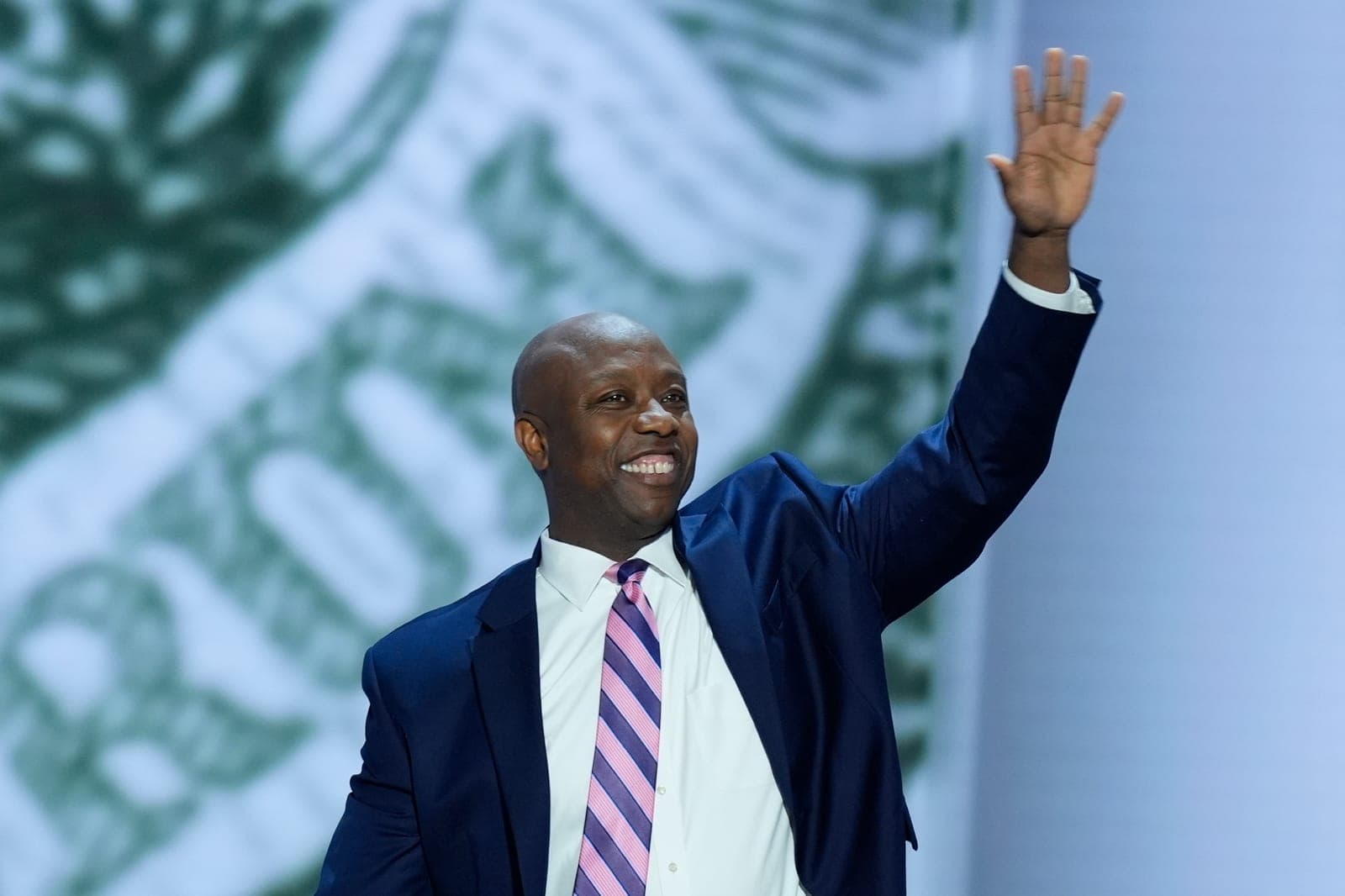
Sen. Tim Scott introduced a bipartisan bill that would create tax credits for film and television productions meeting domestic production requirements. Scott says the incentives could help preserve jobs and attract production to South Carolina and other parts of the country.
At a press conference, Sen. Tim Scott discussed the Motion Picture, Television, and Entertainment Revitalization Act, which has support from Sens. Adam Schiff, John Cornyn and Raphael Warnock, as well as President Donald Trump. The bill would create a 20% base tax credit for productions, with 75% of payroll and production required to be in the United States.
The bill would allow additional credits for certain types of production, capped at a total credit of 30%. Scott described it as a job-creation measure and cited figures from his office about employment and economic impact in South Carolina. He also said rural opportunity zones could draw investment and visitors.
Community verdict
15 VOTES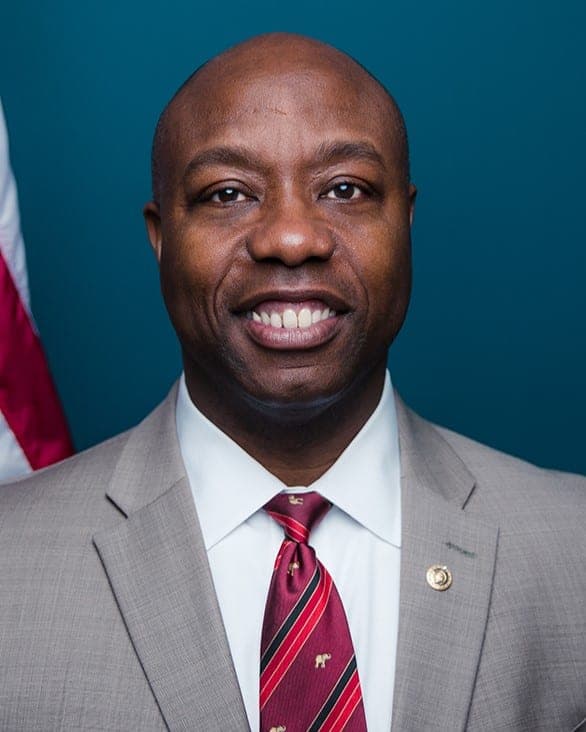
People in this story
SWIPE →Senator discussing and promoting the film-production tax credit bill
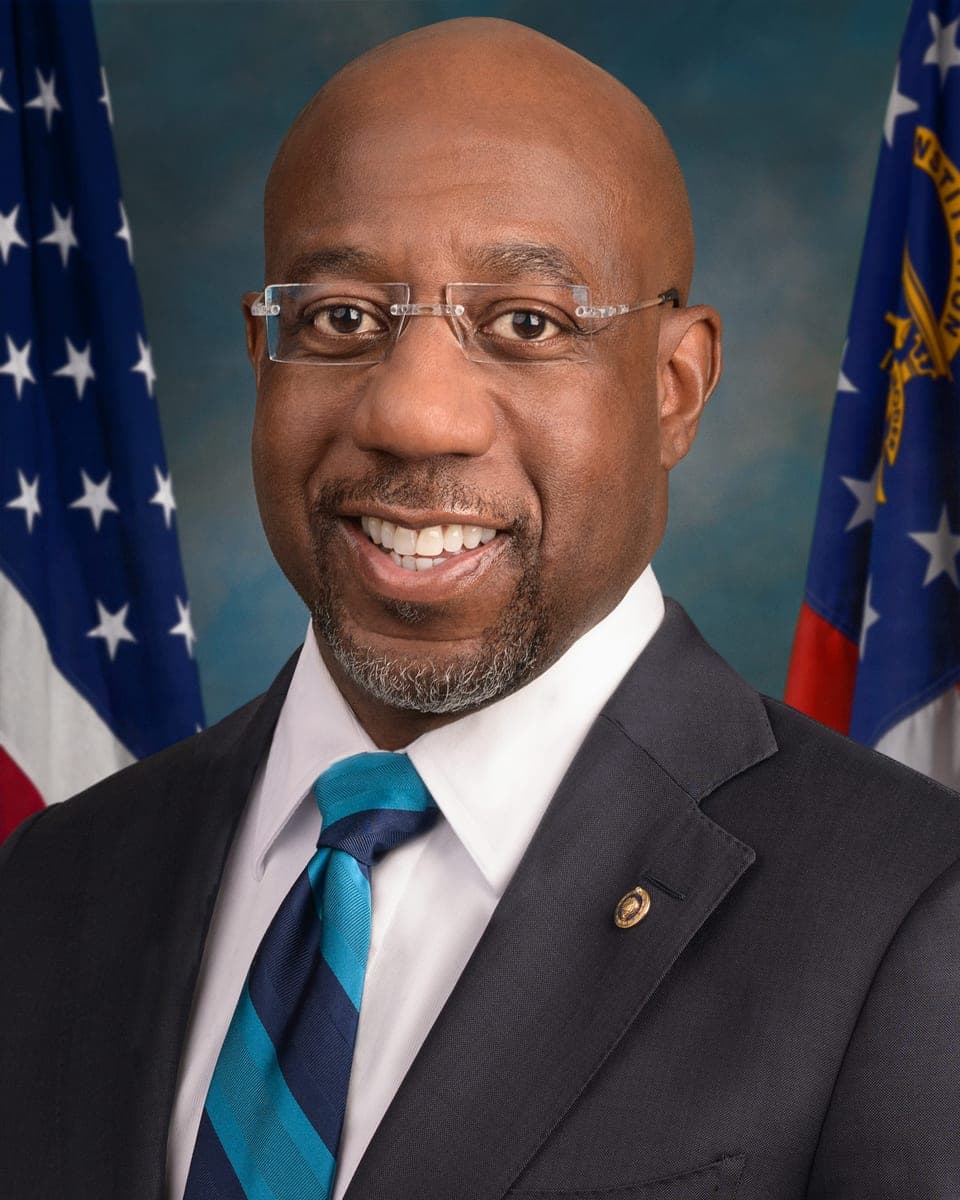
Senator supporting the bill

President whose support for the bill is noted
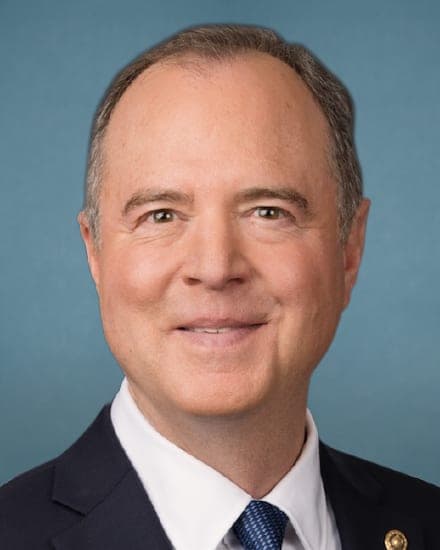
Senator supporting the bill
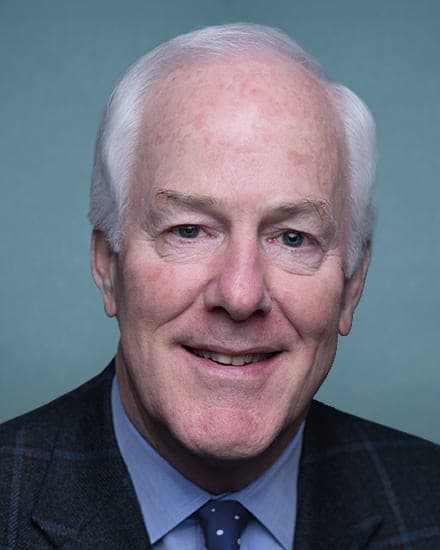
Senator supporting the bill
Part of a bigger story
6 OUTLETSOutlets agree that Tim Scott is advancing federal legislation for a tax credit on qualifying U.S. film and television production, presented as a way to support domestic production jobs. Center outlets frame the proposal mainly as an incentive for U.S. production jobs, with some coverage noting skepticism and hurdles. Right-leaning outlets emphasize bipartisan support and the promise of bringing production jobs and economic activity back to the United States.
- ARTICLES
- 6
- OUTLETS
- 6
- AVG CRED
- 68
- Abcnews4 · New legislation aims to keep film and TV jobs in the U.S. as productions move overseas
- Hollywoodreporter · Why Not Film In South Carolina? Sen. Tim Scott Pushes Federal Incentive to Boost Hollywood In His State
- Los Angeles Times · Sen. Tim Scott touts federal film tax credit as a blue-collar jobs bill

Discussion · 0
Loading comments…