Scott Wiener Removes Connie Chan Chatbot After Backlash From Pelosi, Other Democrats
Chan’s campaign publicized chatbot responses about her background, and the article also outlines her proposals for AI policy.
SOURCE CHECK
TAP FOR WHYSFist is a local news outlet with an identified author, and the article attributes information to named campaigns, an expert, and other news organizations. Its reliance on reporting from other outlets and limited independent sourcing temper the assessment.
- Source type — Local news outlet covering a local congressional campaign dispute.
- Transparency — It attributes reporting and claims to named campaigns, an expert, and other publications.
- Author attribution — The article identifies its author.
- Editorial standards — The article itself provides limited information about editorial standards or corrections practices.
The article includes comments from both campaigns, a congressional letter, and an expert explanation of how AI models can reproduce stereotypes. It also relies on reports from other publications and gives limited detail about the chatbot’s design or the evidence behind the campaigns’ competing characterizations.
HOW WE SCORE ↗The article includes the criticism, Wiener’s campaign’s defense, Chan’s response, and expert context. The criticism receives more detail than the defense, which is presented mainly through campaign statements.
- Counterarguments presented — Wiener’s campaign denies intending racist or sexist outputs and describes the chatbot as political satire.
- Source diversity — The article draws on both campaigns, Democratic lawmakers, an AI researcher, and other publications.
- Loaded language — Strong characterizations appear in attributed quotations rather than as the article’s own conclusions.
- Omitted context — The article offers limited detail about the chatbot’s technical design and the competing campaigns’ full records.
The article presents criticism of the chatbot alongside Wiener’s campaign’s denial and explanation, without a clearly partisan framing. Its language is largely attributed to the people and organizations making the claims.
- Language tone — Mostly descriptive language; charged terms are attributed to the campaigns or quoted speakers.
- Source selection — Includes perspectives from both campaigns, Democratic critics, and an AI researcher.
- Framing — Frames the dispute around the chatbot and its responses rather than making a broader partisan argument.
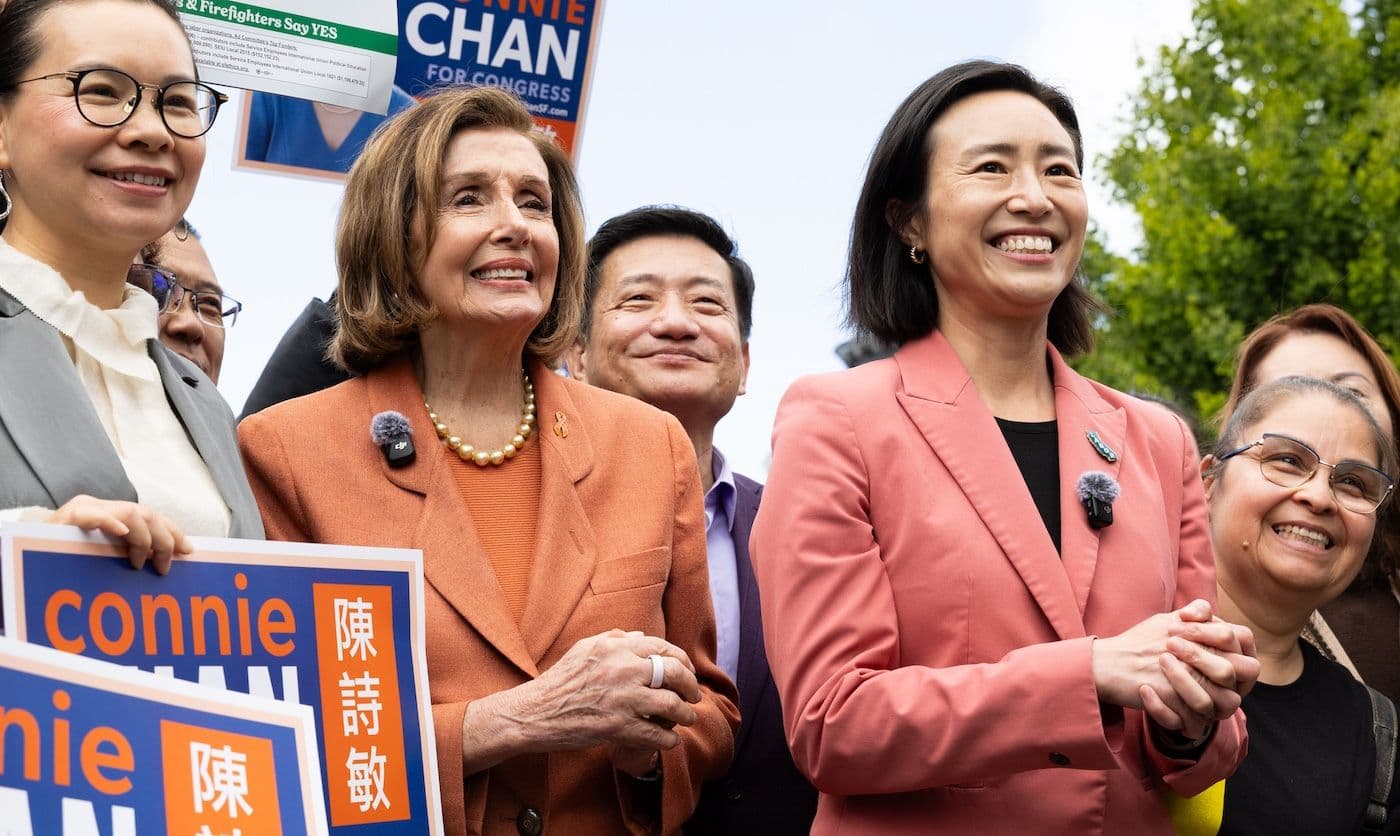
Scott Wiener deactivated his campaign’s parody chatbot targeting Connie Chan and said he would remove its billboards after criticism from Nancy Pelosi and other Democrats. The dispute followed chatbot responses about Chan’s accent and citizenship that Pelosi said echoed harmful stereotypes.
Wiener’s campaign said the chatbot was intended as political satire about Chan’s record and denied designing it to produce racist or sexist responses. After initially defending the bot, Wiener said the controversy had overtaken the issues he wanted to highlight and acknowledged that he had “missed the mark.” Chan’s spokesperson criticized the bot and Wiener’s response.
Pelosi and other signatories criticized the chatbot after Chan’s campaign shared responses about her accent and citizenship. An AI researcher said stereotypes can be embedded in training data and that the bot appeared to use information about Chan’s background. The article also describes Chan’s AI policy proposals and notes Wiener’s unsuccessful 2024 effort to pass Senate Bill 1047, which was vetoed by Governor Gavin Newsom.
Community verdict
10 VOTES
People in this story
SWIPE →House candidate whose campaign launched and then deactivated the chatbot
Wiener's version of this story ↗
Representative who criticized the chatbot and backed a letter opposing AI-generated impersonation

Representative who backed Pelosi’s letter
Part of a bigger story
2 OUTLETS- ARTICLES
- 2
- OUTLETS
- 2
- AVG CRED
- —
Discussion · 0
Loading comments…