Whitesides' Bipartisan Legislation to Protect Children from Chatbots
Whitesides joined three House colleagues in introducing a bill to restrict human-like chatbot interactions with minors by default.

SOURCE CHECK
TAP FOR WHYSCVNews is identified as a local-news publisher, which provides some institutional basis for credibility. The page has no named author and presents the bill through sponsor statements and supportive endorsements without independent reporting or opposing perspectives.
- Source type — Local-news publisher; a moderate prior for institutional reporting standards.
- Author attribution — No author is identified, limiting accountability for the article.
- Editorial standards — The article presents a detailed account of the proposal but offers no indication of independent verification or editorial process.
- Source selection — The material relies on bill supporters and endorsing organizations rather than a range of sources.
The article gives a fairly specific account of the bill’s proposed requirements and exceptions and cites a named survey. However, it is dominated by proponents’ statements and endorsements, with no critics, independent experts offering a different view, or substantive examination of implementation and tradeoffs.
HOW WE SCORE ↗The article describes the bill and quotes its sponsors and supportive organizations, but gives no opposing or independent perspective on the proposal or its possible effects.
- Counterarguments presented — No objections or competing arguments about the bill appear.
- Source diversity — The sources are sponsors and groups endorsing the measure.
- Opinion vs reporting — The article is presented as an announcement and largely relays supporters’ claims.
- Omitted context — It does not explore implementation questions, potential tradeoffs, or criticism.
The article strongly presents the sponsors’ and endorsers’ case for the legislation, but its subject and framing do not establish a discernible left-right political lean.
- Language tone — The descriptions are favorable to the bill but do not use distinctly left- or right-coded language.
- Source selection — Sources support the bill, producing a promotional frame without a clear partisan direction.
- Headline — The headline identifies a bipartisan bill and its child-protection purpose without a partisan cue.
Reps. George Whitesides, Mike Kennedy, Doris Matsui and Mariannette Miller-Meeks introduced the Protecting Kids from Human-Like Chatbots Act, which would limit human-like chatbot interactions with minors by default.
The bill would bar chatbots used by minors from claiming to be human or have feelings, simulating personal relationships, or using tactics to keep children engaged. It would require chatbots to identify themselves, allow only a parent or guardian to disable the default, and permit enforcement by the FTC and state attorneys general.
The article says the bill would not require age verification or new data collection and would not limit adult products or narrow-purpose bots. It cites Common Sense Media’s 2026 census on teen AI use and lists endorsements from child-safety and technology organizations. Supporters quoted in the article say the measure would help protect children from unhealthy attachments and manipulative design.
Community verdict
7 VOTES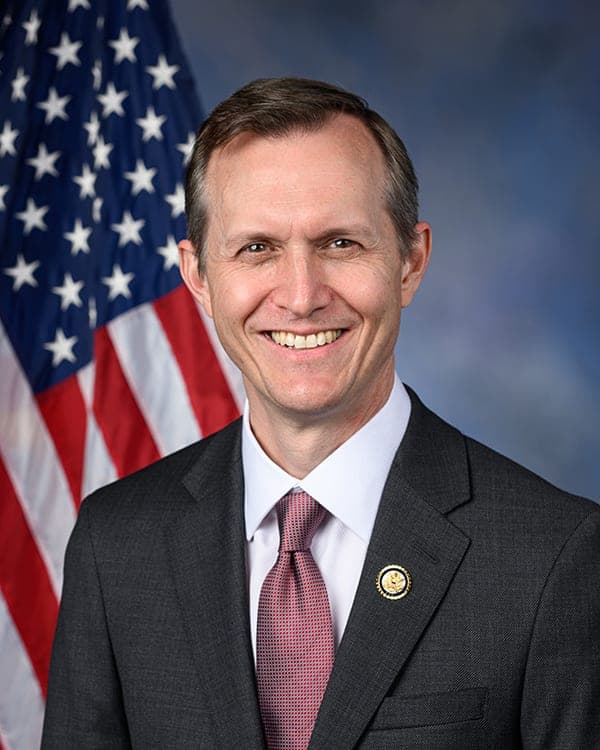
People in this story
SWIPE →Representative and lead figure in the announcement of the bipartisan bill
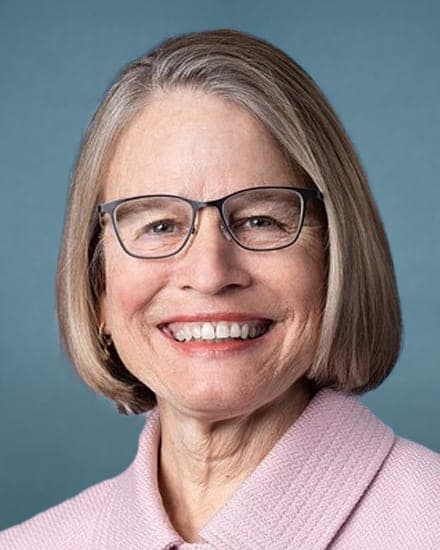
Representative and co-sponsor of the bill
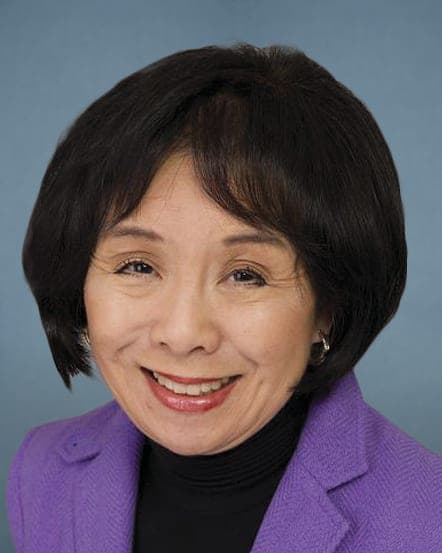
Representative and co-sponsor of the bill
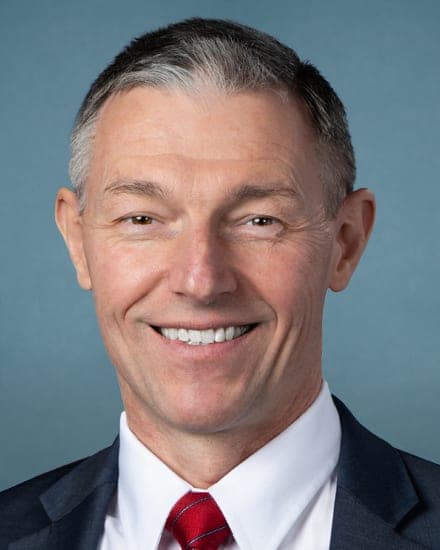
Representative and co-lead of the bill
Discussion · 0
Loading comments…