Golden Gate Bridge net could inspire more suicide barriers across U.S.
Padilla introduced a bill to fund suicide-prevention barriers and said the Golden Gate Bridge net shows how barriers can save lives.

SOURCE CHECK
TAP FOR WHYThe San Francisco Chronicle is an established regional newspaper with an identifiable author and a record of local reporting. The article names its sources for key statistics and attributes advocacy claims, though this short account provides limited independent scrutiny of the proposal.
- Source type — Established regional newspaper; local reporting is relevant to the Golden Gate Bridge context.
- Transparency — The story identifies bridge district and CDC data and attributes statements to named sources.
- Author attribution — A named reporter is credited.
- Editorial standards — The publisher is an established newsroom, though the article itself offers little detail on the proposal's implementation.
The article gives concrete details about the proposed grants, the bridge installation and suicide figures, and attributes statements to named sources. Its account is largely supportive and does not include a skeptical perspective or substantial discussion of costs and implementation beyond the bridge example.
HOW WE SCORE ↗The article offers specific data and identifies the proposal’s backers, but all quoted views support the bill and it gives little attention to questions about cost, effectiveness elsewhere or implementation.
- Counterarguments presented — No opposing or skeptical view of the proposal is included.
- Source diversity — Sources include a senator, a mental-health advocacy representative and cited public data, but both quoted speakers support the bill.
- Omitted context — The article gives limited context on costs and how the proposed grant program would be implemented.
- Loaded language — The narration is generally neutral, with value-laden claims attributed to speakers.
The article uses mostly factual language and attributes its favorable assessments to the bill’s proponents and an advocacy organization. It does not show a discernible partisan framing.
- Language tone — The narration is predominantly descriptive; favorable phrases appear in attributed quotations.
- Source selection — The article quotes a bill sponsor and a supportive advocacy representative, but no ideological viewpoint is evident.
- Framing — The story frames the proposal through the bridge net's reported results without an explicit partisan argument.
Sens. Alex Padilla and Thom Tillis introduced a bipartisan bill to fund suicide-prevention barriers and research at bridges and other high-risk structures. The proposal draws on the Golden Gate Bridge net, where reported suicides fell after installation.
The Barriers to Suicide Act, introduced by Sens. Alex Padilla and Thom Tillis, would create grants for states and local governments to install nets and barriers at bridges, buildings, parking garages, highway-rail crossings and train stations. It would also fund research on high-risk structures and effective prevention measures. Padilla said physical barriers can save lives; the National Alliance on Mental Illness’s Hannah Wesolowski also voiced support for the proposal.
The article reports that the Golden Gate Bridge net cost nearly $225 million and was installed after years of construction, planning and advocacy. Bridge district data show four suicides there in 2025, compared with about 30 in a typical year before the net; there were no deaths from June through December. The article also cites CDC data showing nearly 49,000 Americans died by suicide in 2024.
Community verdict
10 VOTES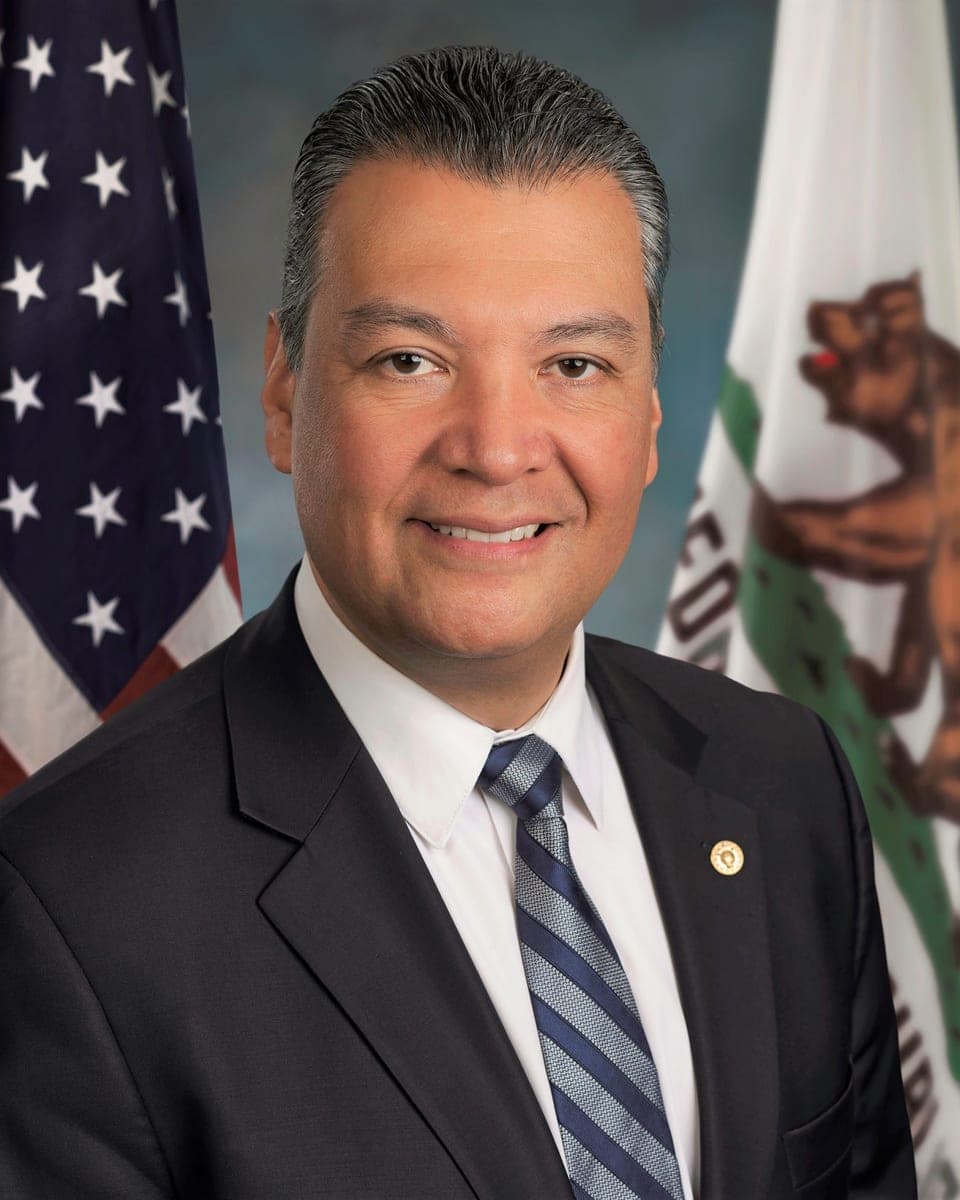
People in this story
SWIPE →Co-introducer of the Barriers to Suicide Act and a public advocate for its approach.
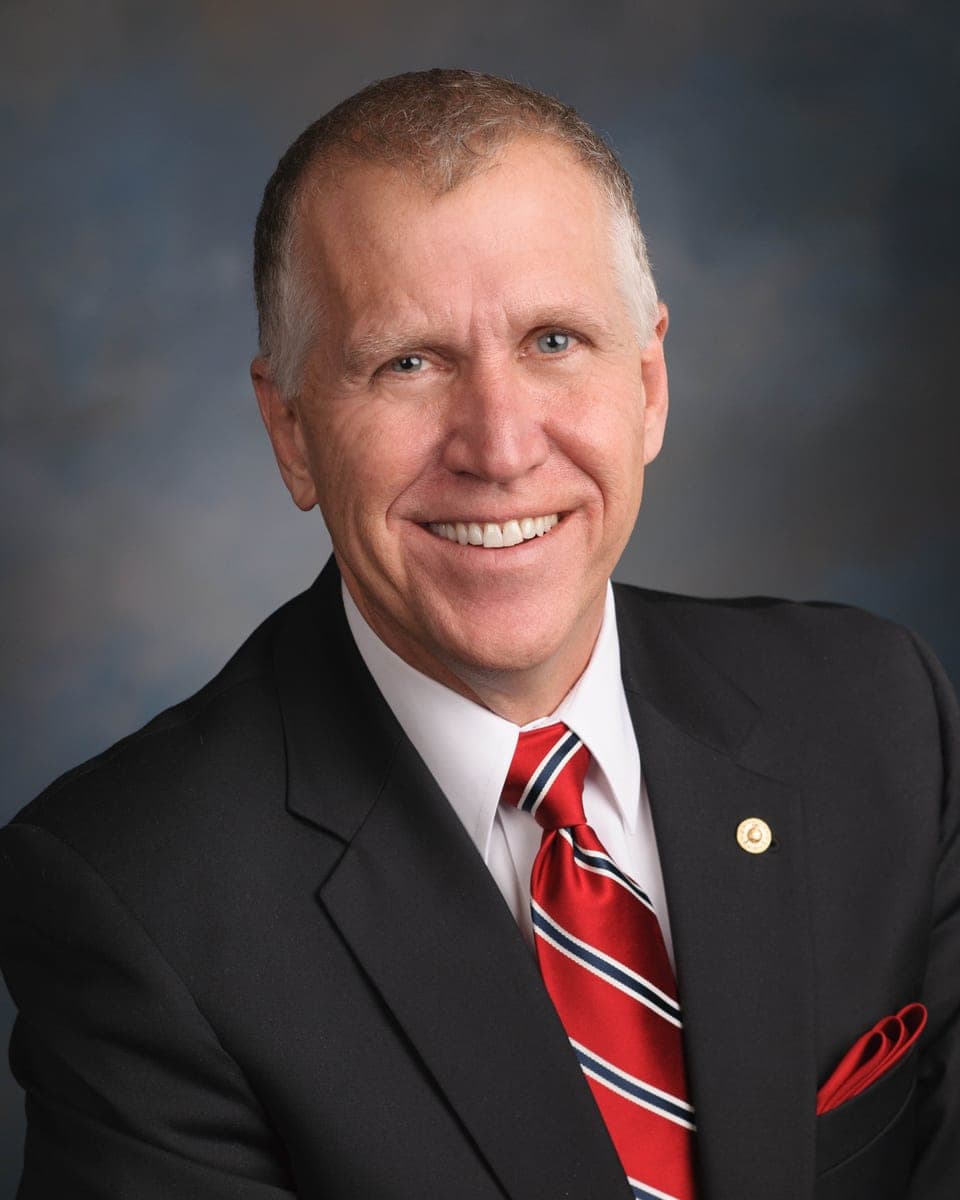
Republican co-introducer of the bill.
Part of a bigger story
2 OUTLETS- ARTICLES
- 2
- OUTLETS
- 2
- AVG CRED
- —
Discussion · 0
Loading comments…