Platner's campaign implosion highlights the hollowness of America's political parties
Platner denied a reported sexual-assault allegation and suspended his Senate campaign as the article examines his insurgent candidacy.
SOURCE CHECK
TAP FOR WHYCredibility rates Salon, where this article appeared. The other scores rate the article itself.
Salon is an established digital outlet, but this page republishes an expert interview first published by The Conversation. The piece identifies its author and editor, while its opinion-oriented format is less suited to independent, multi-source reporting.
- Source type — Opinion-oriented outlet and page; this lowers confidence relative to a straight-news report.
- Author attribution — The author and the political scientist interviewed are identified.
- Transparency — The page identifies The Conversation as the original publisher and notes that the article is republished under a Creative Commons license.
- Editorial standards — The article is an expert interview, but it does not provide multiple independent reporting sources or a corrections-policy record in the text.
The interview identifies its political-scientist source, attributes interpretations to him, and includes Platner’s denial of the reported allegation. It offers useful context on party recruitment but relies heavily on one expert’s analysis and includes little response from the campaign or party officials.
HOW WE SCORE ↗The piece is an interview built around one political scientist’s interpretation of the campaign and party structures. It notes Platner’s denial but presents little direct response from the campaign, party officials, or other analysts.
- Source diversity — The analysis relies mainly on one interviewee’s perspective.
- Counterarguments presented — Platner’s denial of the allegation is included, but competing views on the party-system argument are not developed.
- Opinion vs reporting — The interview is interpretive and makes a broader argument about party weakness rather than offering a fully balanced news report.
The article criticizes vulnerabilities in both major parties and compares insurgencies on the left and right. Its critical tone is directed at party structures rather than clearly favoring a political side.
- Framing — The argument concerns weaknesses in both major parties and their candidate-selection systems.
- Source selection — The piece centers on one political scientist’s interpretation rather than presenting an overtly partisan range of sources.
- Language tone — Critical wording is used, but it is not distinctly left- or right-coded.
Original publisher not identified
This article credits another publisher, which ChamberLight has not identified, so the scores are Salon's own.
Graham Platner denied a sexual-assault allegation reported by Politico and suspended his Senate campaign on July 8. The article uses the campaign’s collapse to argue that political parties are vulnerable to insurgent candidates recruited outside traditional party structures.
Politico published an account of a Maine woman who said Platner sexually assaulted her nearly five years ago. Platner called the allegation “categorically untrue” and said he was reflecting on his path forward; he suspended his campaign by the evening of July 8. Sen. Bernie Sanders, an early supporter, joined calls for Platner to drop out after the allegations emerged.
Political scientist Nicholas Jacobs argues that Platner’s recruitment illustrates how candidates and activist organizations can bypass traditional party pipelines. He says the episode points to a broader weakness in party organizations, which he argues are meant to select candidates and build consensus.
Community verdict
17 VOTES
People in this story
SWIPE →Maine Democratic Senate candidate whose campaign was suspended after a sexual-assault allegation was reported
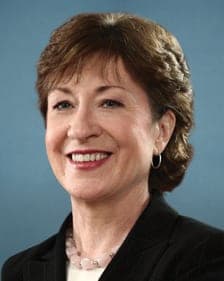
Maine senator whose reelection race contributed to attention on the state
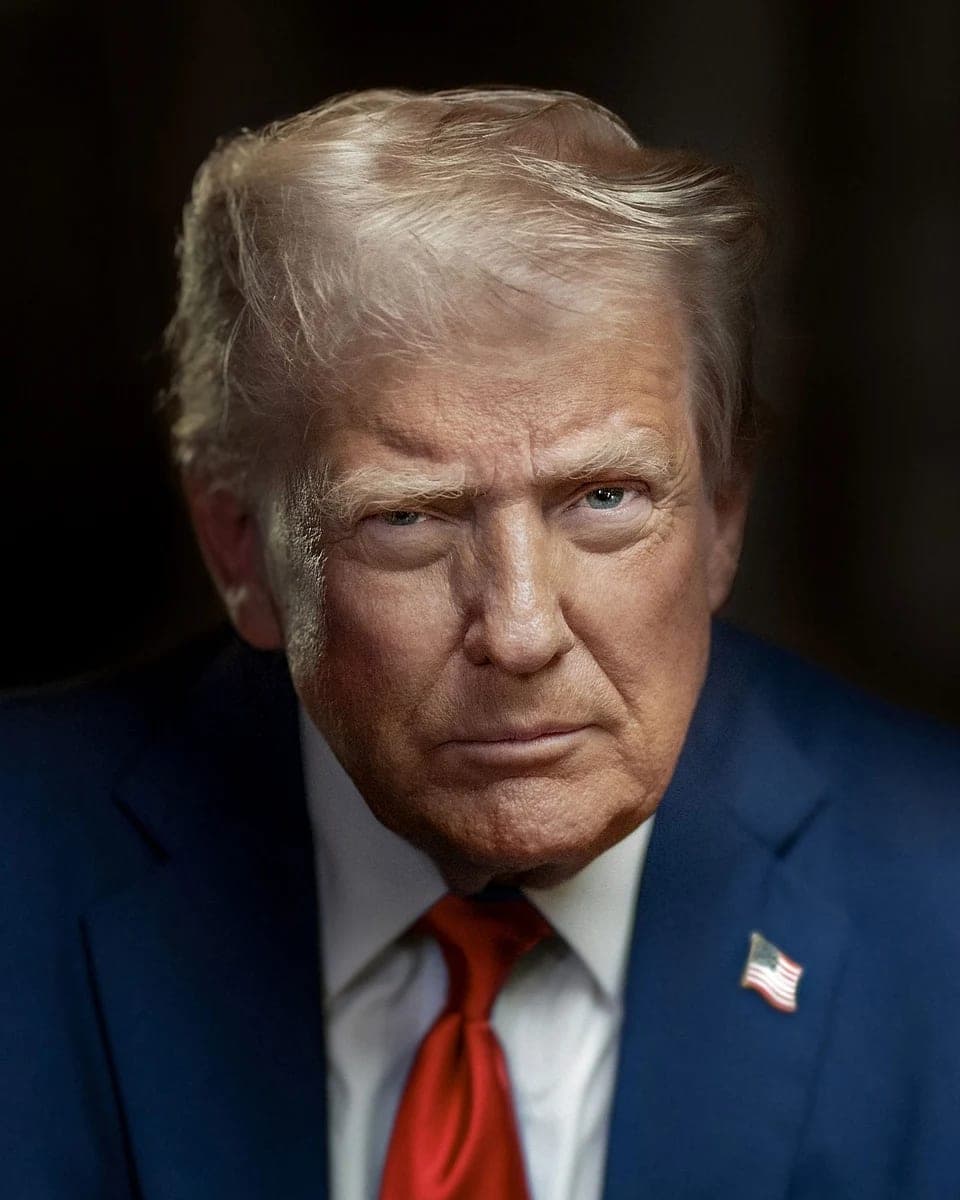
President cited as a comparison for populist candidates and insurgent politics

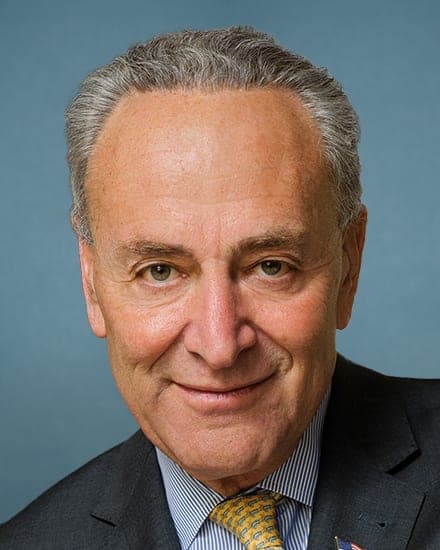
Senator and early supporter of Platner who called on him to leave the race

Maine governor and former Democratic Senate candidate discussed in relation to Platner’s campaign
Part of a bigger story
50 OUTLETSA former partner accused Graham Platner of sexual assault, which he denied. Democratic figures called on him to leave Maine’s Senate race. Left-leaning outlets connect the campaign fallout to progressive organizing and party candidate selection. Center outlets pair Platner’s denial with Democratic calls for him to leave and possible replacement steps. Right-leaning outlets scrutinize Democrats’ support and vetting of Platner, with some framing replacement efforts as a challenge to voters.
- ARTICLES
- 58
- OUTLETS
- 50
- AVG CRED
- 66
Discussion · 0
Loading comments…