Quinceañeras to Congress: Bobby Pulido Finds a New Way to Represent Tejanos
Pulido is campaigning for Congress while preparing to end his music career and describing how he hopes to connect with district voters.
SOURCE CHECK
TAP FOR WHYRolling Stone is an established national publication with a history of reported features and named bylines. The article identifies its author and relies chiefly on an interview with Pulido, though the supplied information does not establish its corrections practices.
- Track record — An established national magazine with a record of publishing reported features.
- Author attribution — The article names its reporter and identifies Pulido as the interview source.
- Editorial standards — The publication has an established editorial operation, though specific standards are not demonstrated in this article.
- Correction history — No corrections information is available in the article text.
The feature includes a named reporter and extensive direct comments from Pulido, with concrete campaign details. It offers little response or independent sourcing from his opponent and provides limited verification or context for some of its broader political claims.
HOW WE SCORE ↗The article gives substantial space to Pulido’s views and campaign narrative but little to opposing perspectives. It is presented as a profile rather than a debate, and makes its claims about the race and voter priorities primarily through Pulido.
- Source diversity — Pulido is the principal source; the incumbent and other opposing voices are not interviewed.
- Counterarguments presented — The article briefly mentions De La Cruz’s criticism but does not provide her broader response or position.
- Opinion vs reporting — The piece is a reported feature, though some narrative framing is interpretive.
- Loaded language — Most political claims are attributed to Pulido rather than stated as the author’s conclusions.
The article is largely a profile built around Pulido’s account of his campaign and political views, and its presentation is generally sympathetic to him. It does not make an explicit case for either party, but offers little of the opposing candidate’s perspective.
- Language tone — The narrative presents Pulido’s career transition and campaign in a favorable, humanizing way.
- Source selection — Pulido is the dominant source for the article’s account of the race and political issues.
- Framing — The piece emphasizes his cultural connection to the district and his campaign’s appeal to voters.
- Omission — The incumbent’s perspective is not developed beyond a cited campaign jab.
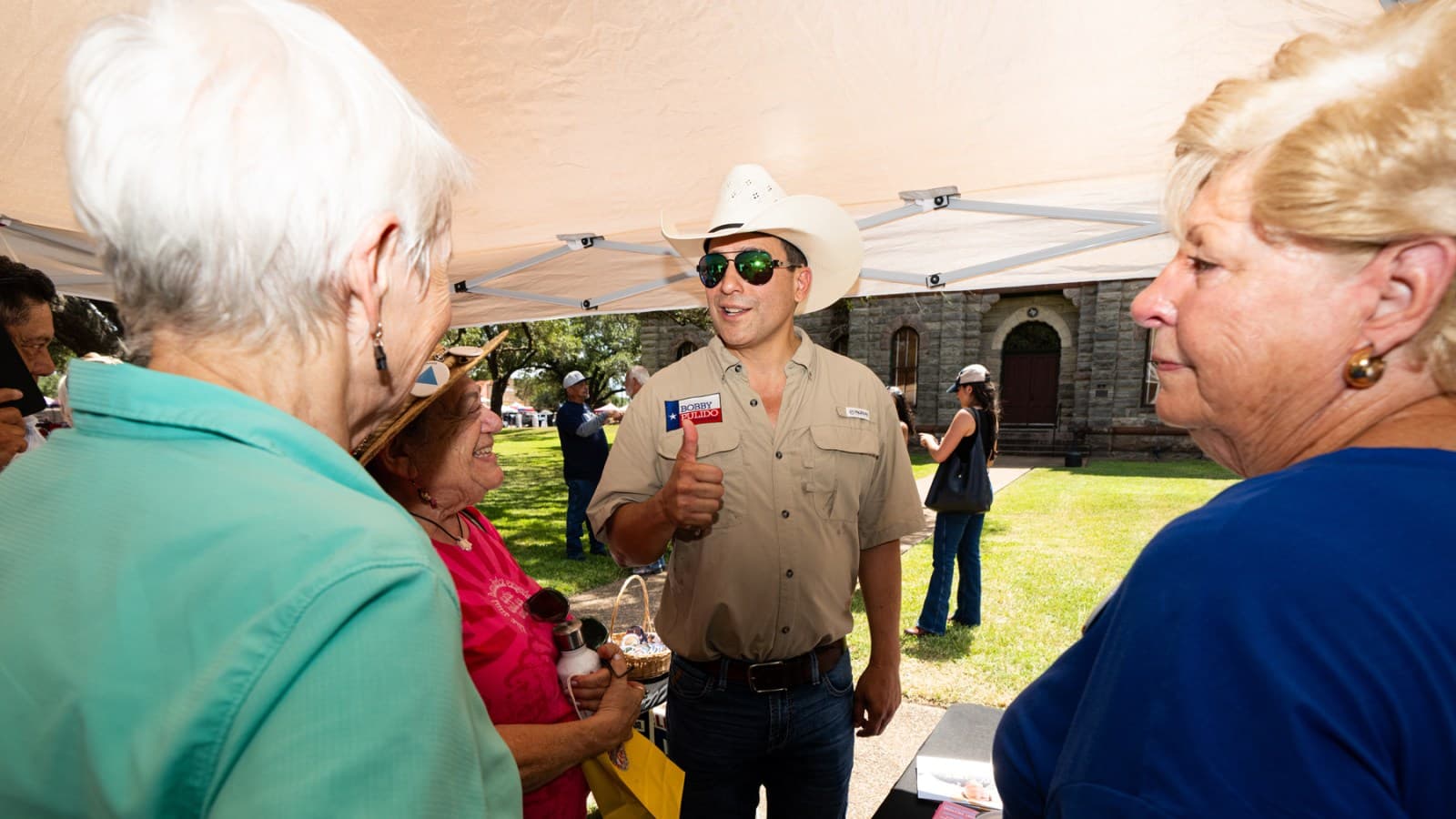
Tejano musician Bobby Pulido is preparing to retire from performing while campaigning for a Texas congressional seat. He describes using quinceañera appearances to meet voters and says Democrats need to address economic concerns and approach gun policy with local culture in mind.
Pulido is running to unseat Republican Rep. Monica De La Cruz in Texas’ 15th District while preparing for what he says will be his final concert. His campaign invited quinceañera organizers to request appearances; it received more than a thousand requests, and Pulido says he has attended more than 75 events, where campaign volunteers ask to sign people up.
In an interview, Pulido argued that Democrats should speak more to voters’ economic concerns and that calls to ban guns do not fit his rural district. He said he supports gun safety while emphasizing that firearms are part of local culture. The article also describes his plan to leave music for public service if elected.
Community verdict
VOTING CLOSED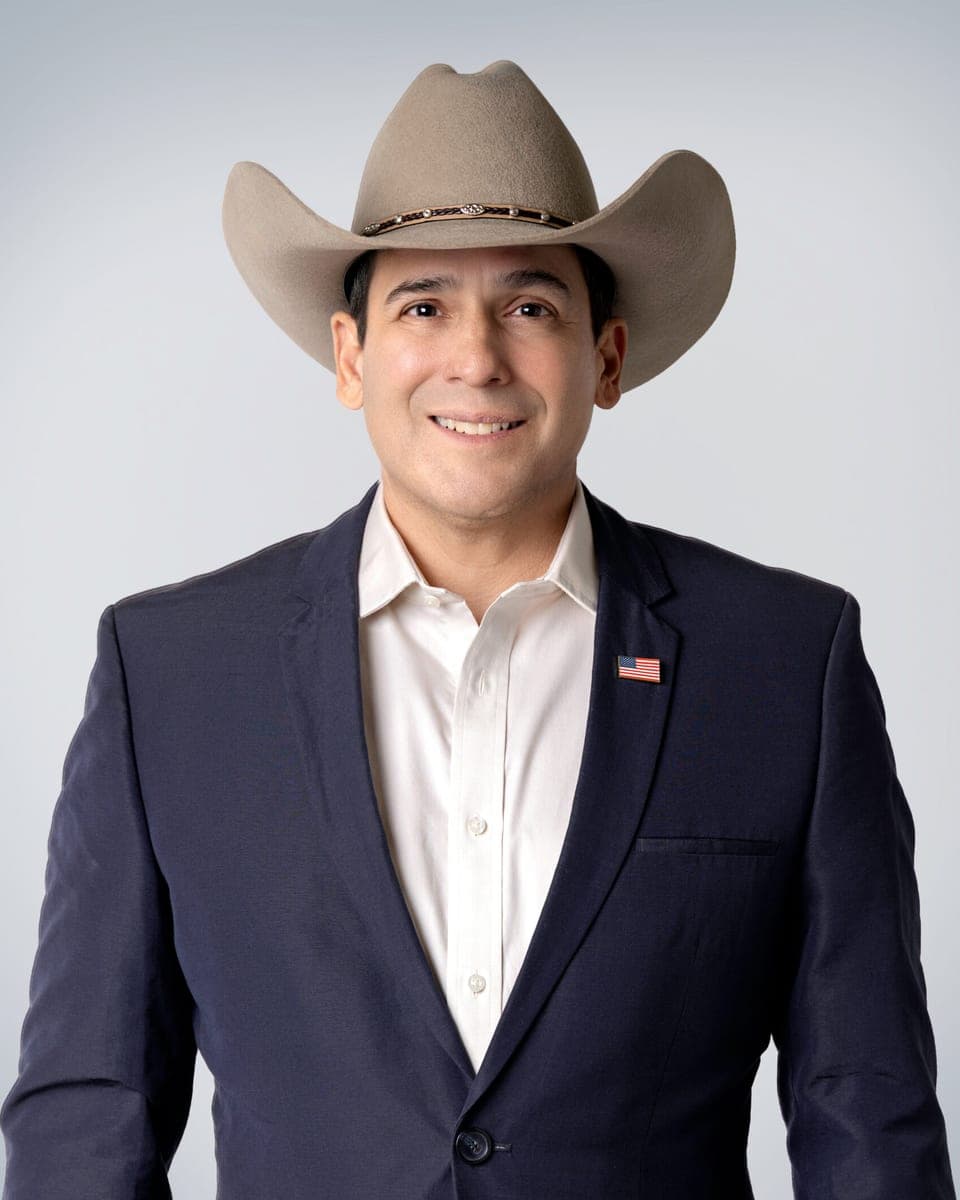
No good or bad look here
This story reports what happened without casting Pulido in a good or bad light, so readers don’t rate it and it doesn’t count toward Pulido’s record.
People in this story
SWIPE →
President mentioned in Pulido’s comments
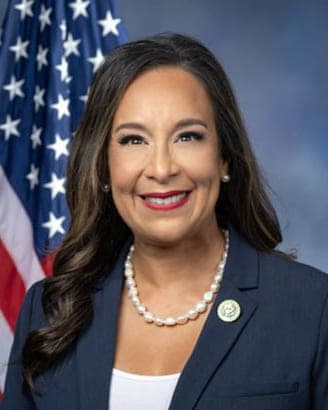
Republican incumbent in Texas’ 15th District and Pulido’s opponent
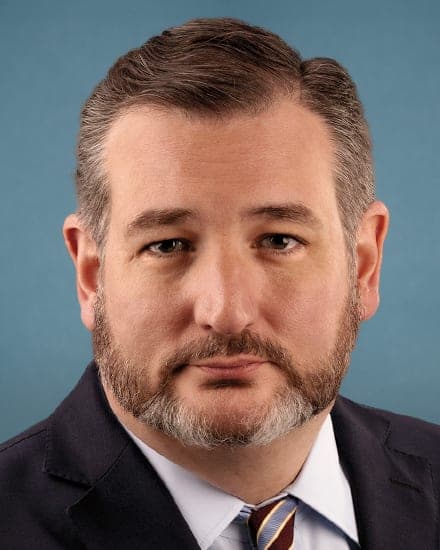
U.S. senator from Texas and O’Rourke’s former opponent

Former Democratic Senate candidate in Texas
Discussion · 0
Loading comments…