US Senate Blocks Resolution to Prevent Trump from Ordering Strikes on Iran
Collins opposed the resolution but said Congress would need to act if the conflict continued beyond legal limits.

SOURCE CHECK
TAP FOR WHYThe page is published by an opinion-oriented outlet and gives limited information about its reporting standards or correction practices. The article names an author and attributes some statements, but it offers little independent sourcing and its reported tally conflicts with the matching recorded vote.
- Source type — The publisher is recorded as an opinion source, which lowers confidence in its institutional reporting standards.
- Source diversity — The article quotes Collins and refers to the Maine Democratic Party, but provides little independent sourcing.
- Author attribution — A named author is credited.
- Precision — The article's 52-47 tally conflicts with the recorded 47-52 tally for the matching Senate motion.
The article reports the vote and includes statements from Collins and the Maine Democratic Party, while briefly describing the arguments on both sides. It provides limited sourcing and context, and the vote tally appears inconsistent with the recorded result.
HOW WE SCORE ↗The article summarizes arguments from supporters and opponents of the resolution and includes Collins’s stated limits on presidential authority. It offers little direct sourcing beyond Collins and a statement from the Maine Democratic Party, and its framing favors the administration.
- Counterarguments presented — It summarizes arguments for congressional authority and arguments for presidential flexibility.
- Source diversity — It includes Collins and the Maine Democratic Party but few other named sources.
- Loaded language — The headline's description of a major win frames the result positively for Trump.
- Omitted context — The article gives limited detail on the resolution, the vote procedure, and the competing legal arguments.
The headline frames the vote as a major win for Trump, and the article describes it as an administration victory. The body also reports criticism of Collins and her reservations about presidential war powers.
- Headline — The headline calls the outcome a major congressional win for Trump.
- Framing — The opening characterizes the vote as another victory for the administration.
- Language tone — Most of the body uses straightforward language while noting divisions over presidential war powers.
The Senate rejected a resolution that would have restricted President Donald Trump’s authority to order further strikes on Iran. Susan Collins voted against it while warning that continued hostilities could require congressional authorization; Rand Paul supported the resolution and John Fetterman opposed it.
The Senate rejected a resolution that would have blocked President Donald Trump from ordering additional strikes against Iran. The article reports that the procedural vote failed 52-47 and describes the vote as part of a continuing dispute over Congress’s role in wartime decisions.
Community verdict
27 VOTES
People in this story
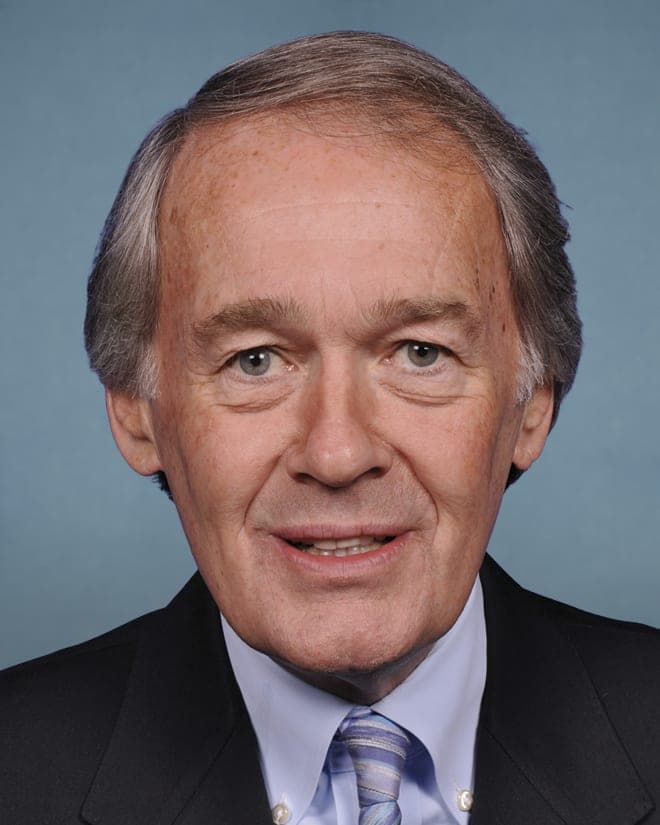
SWIPE →Senator who voted against the resolution and cautioned that continued hostilities could require congressional authorization

President whose authority to order further strikes was the target of the resolution

Senator who voted against the resolution

Senator who did not vote

Senator who supported the resolution
Part of a bigger story
10 OUTLETSThe Senate rejected a Democratic resolution seeking to halt or limit U.S. military action in Iran. Collins said further hostilities would require congressional authorization. Center outlets cover both the failed effort to halt the war and debate over future authorization; some emphasize broader Republican calls for a later vote, while others foreground Collins's stated likelihood of opposing authorization for further hostilities.
- ARTICLES
- 11
- OUTLETS
- 10
- AVG CRED
- 80


Discussion · 0
Loading comments…