New Bill Would Pay Studios to Film. Quality Not Included
Moran says the proposed production incentives would support American jobs and reach rural communities.
SOURCE CHECK
TAP FOR WHYRedState is a partisan outlet, and this page is explicitly an opinion piece rather than independent straight reporting. The author is identified, but the article offers limited sourcing and presents a strongly argued view.
- Source type — Opinion content from a partisan outlet; institutional credibility is lower than that of a general-news newsroom.
- Source selection — The article quotes Moran but does not independently document the proposal’s expected effects.
- Author attribution — The article names its author.
- Editorial standards — The piece is clearly presented as opinion, distinguishing its argument from reported news.
The article identifies the bill and includes the sponsor’s explanation, but its assessment is largely argument and anecdote, with little evidence about likely economic effects and no substantial response from other supporters or industry sources.
HOW WE SCORE ↗The article reports Moran’s jobs rationale and the proposal’s incentives, but most of the piece argues against subsidies and offers no detailed counterargument from supporters or industry representatives.
- Counterarguments presented — Moran’s rationale is quoted, but the article does not explore evidence supporting the bill’s economic case.
- Loaded language — The author uses dismissive and rhetorical language about the bill and the industry.
- Opinion vs reporting — The piece is an opinion article and devotes most of its text to the author's case against the proposal.
- Source diversity — Moran is the only quoted source; supporters, studios, unions, and other perspectives are not independently heard.
The author strongly opposes federal subsidies and uses dismissive language about the proposal and the entertainment industry. The criticism is framed through a skeptical view of government spending and disparaging references to contemporary film culture.
- Language tone — Uses dismissive phrasing about subsidies and the entertainment industry.
- Framing — Frames the proposal as an ineffective use of federal money rather than weighing competing economic claims.
- Headline — The headline emphasizes that the bill offers no guarantee of quality, previewing the author's critical stance.
- Source selection — Includes the sponsor's rationale but develops the opposing argument at much greater length.
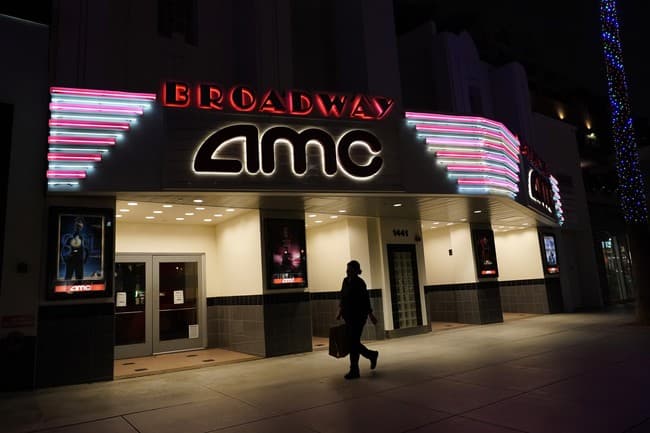
A bipartisan bill would offer subsidies to film and television productions that shoot in the United States. Rep. Nathaniel Moran says it would support American jobs, while the author argues studios should improve their products instead of receiving federal money.
The article describes the Motion Picture, Television, and Entertainment Revitalization Act as a proposal to subsidize film and television productions in the United States. Rep. Nathaniel Moran says the incentives would protect local jobs and give additional support to productions filmed in rural communities and areas recovering from federally declared disasters. Senators Tim Scott and Adam Schiff introduced a companion bill in the Senate.
The author argues that federal subsidies are the wrong way to address the industry’s challenges, suggesting studios should focus on their productions and localities should reconsider taxes and regulations. The article also criticizes contemporary film and television and calls on studios to make more appealing work.
Community verdict
5 VOTES
People in this story
SWIPE →House sponsor of the proposed film and television production subsidy bill
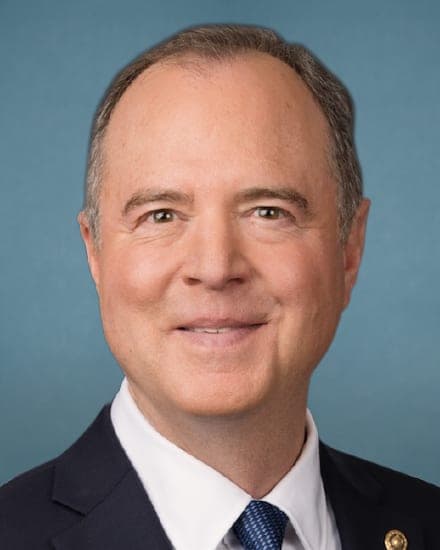
Senator who introduced the Senate companion bill
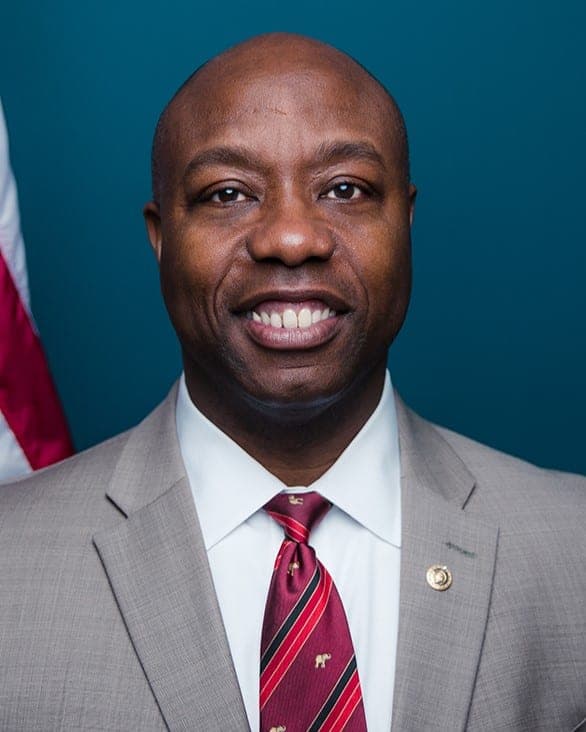
Senator who introduced the Senate companion bill
Part of a bigger story
2 OUTLETS- ARTICLES
- 2
- OUTLETS
- 2
- AVG CRED
- 43
Discussion · 0
Loading comments…