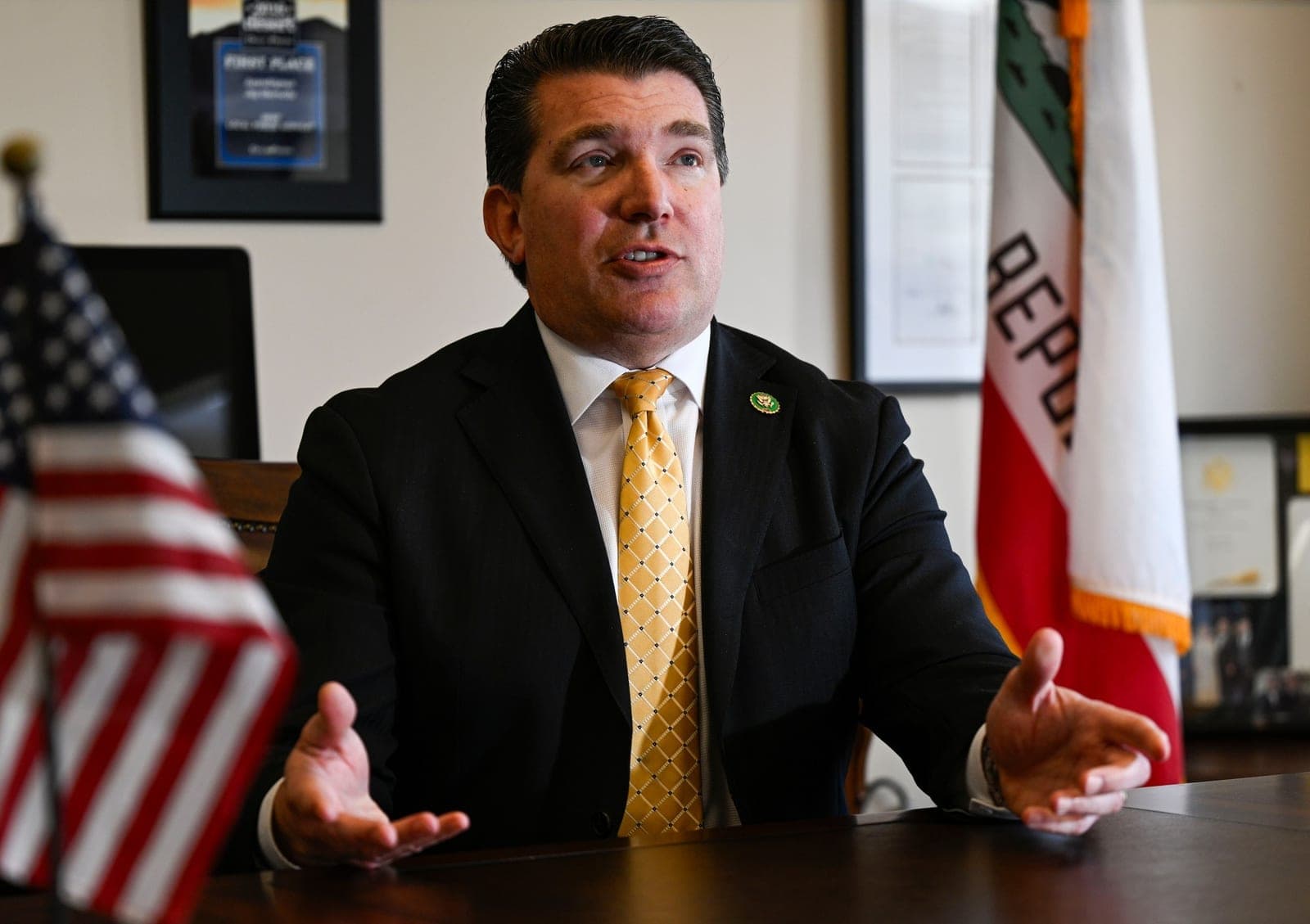
A conversation with Congressman Jay Obernolte on artificial intelligence
Obernolte defended the draft’s approach to AI development and argued that federal policy should support displaced workers rather than prevent disruption.
SOURCE CHECK
TAP FOR WHYCredibility rates Redlands Daily Facts, which republished this story. The other scores rate the article itself.
Redlands Daily Facts is an established regional news outlet, and the article has a named author and attributed interview quotes. Its column format and limited range of independently quoted sources temper the assessment.
- Source type — Established local and regional news outlet.
- Author attribution — A named columnist is identified.
- Editorial standards — The outlet has an established newsroom, though the article is a column rather than straight news.
- Transparency — The article identifies its author and attributes interview statements, but does not provide links to underlying studies.
The article includes a direct interview with Obernolte, explains key features and potential effects of the draft, and cites outside research and a state-law example. It is openly argumentative and relies mainly on one interviewee, with no response from Trahan, industry representatives, or other independent policy experts.
HOW WE SCORE ↗The article presents Obernolte’s rationale and acknowledges possible benefits of AI, but the author develops several objections to the proposal without obtaining a response from Trahan or another source advocating its approach.
- Counterarguments presented — Obernolte explains why the draft distinguishes AI development from deployment and why he expects AI to create jobs.
- Source diversity — The central interview is with one co-author; no other policymaker or independent expert is interviewed.
- Opinion vs reporting — The author’s own policy preferences and conclusions are explicit, consistent with a column.
- Omitted context — The article does not include a direct explanation from Trahan or other proponents of the draft.
The column favors proactive government safeguards and emphasizes potential harms from AI and the draft’s preemption of state laws. Its criticism is directed at the proposal’s policy choices rather than framed as a broader partisan attack.
- Framing — The article foregrounds risks to workers and concerns about state regulatory authority.
- Language tone — The author uses critical language about gaps in the draft while acknowledging uncertainty and possible benefits.
- Source selection — Obernolte is interviewed, but no other policymaker or independent expert responds directly.
- Omission — The article gives limited space to arguments for federal preemption or the draft’s potential benefits beyond Obernolte’s comments.
Republished
Republished from Ocregister. The relationship between the two publishers has not been determined.
Not enough stories yet: 9 of 10.
Jay Obernolte and Lori Trahan released a discussion draft of the Great American AI Act, which would set federal standards for AI development and preempt some state laws. In an interview, Obernolte defended its approach, while the columnist questioned its protections for workers and limits on state regulation.
The Great American AI Act draft, co-authored by Representatives Jay Obernolte and Lori Trahan, would establish federal standards for AI development, including harm-mitigation measures and independent audits. It would also study AI-related workforce disruption and possible assistance for displaced workers, while preempting some state laws regulating AI development. The article notes that the proposal is a discussion draft inviting feedback.
Obernolte said the federal government should help displaced workers through financial assistance and retraining, but should not try to prevent workforce disruption. He argued that AI, like earlier technological changes, could ultimately create more jobs and increase prosperity. The columnist raised concerns about potential job losses and argued that the draft’s preemption language could restrict state responses to harms such as biased AI outputs. Obernolte said states could still regulate AI deployment, while the columnist cited California’s Assembly Bill 489 as an example of a state law that could be preempted.
Community verdict
9 VOTES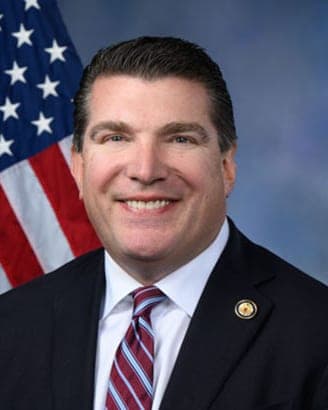
People in this story
SWIPE →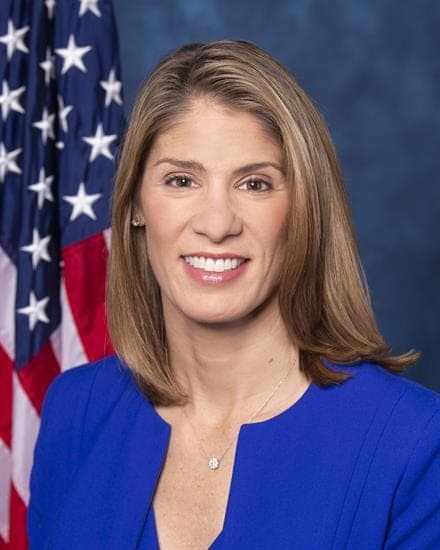
Co-author of the draft
Discussion · 0
Loading comments…