Wyden's Filing Highlights STOCK Act's Weak Enforcement
Wyden disclosed a stock transaction for his wife 465 days after it occurred, and his office said he was not subject to a penalty.

SOURCE CHECK
TAP FOR WHYRealClearPolitics identifies a reporter and presents original reporting alongside claims attributed to named outlets, offices, and an ethics expert. The article offers useful sourcing and legal detail, though the publisher’s overall institutional standards are less clearly established than those of major newspapers or wire services.
- Source type — A national political news publisher, with a mixed reputation compared with major newspapers of record.
- Transparency — The story identifies sources and attributes claims to Wyden’s office, other outlets, an official office, and an ethics expert.
- Author attribution — A named national political reporter is credited.
- Editorial standards — The article includes legal context and distinguishes reported facts from attributed statements, but provides limited direct institutional response.
The article supplies a detailed timeline, legal requirements, penalty information, and attributed reporting from multiple outlets and an ethics expert. Wyden’s office is represented through prior comments, but the Senate Ethics Committee’s explanation for the outcome and a response to RealClearPolitics’ request are absent.
HOW WE SCORE ↗The article includes Wyden’s office’s explanation and comments, relevant legal rules, enforcement data, and an outside ethics expert. It does not include a direct response from the Ethics Committee or a fuller account of why the fee was not imposed.
- Counterarguments presented — Wyden’s office says the transaction was discovered during preparation of his annual disclosure and was not subject to a penalty.
- Source diversity — Draws on named news outlets, an official office, Wyden’s spokesperson, and an ethics expert.
- Omitted context — The Senate Ethics Committee’s reasoning for not imposing a fee is not presented.
- Loaded language — The wording is generally factual and not heavily loaded.
The article uses mostly factual, attributed language and focuses on enforcement and disclosure rules rather than making a partisan argument. Its scrutiny of a Democratic senator and the wider system does not, on its own, establish a partisan lean.
- Language tone — Mostly restrained and descriptive, with claims attributed to their sources.
- Source selection — Uses statements from Wyden’s office, reporting by multiple outlets, and an ethics expert.
- Framing — Frames the filing as an example of enforcement weaknesses across Congress rather than a partisan dispute.
Sen. Ron Wyden disclosed a six-figure stock transaction made on behalf of his wife 465 days after it occurred, well beyond the 45-day deadline; his office said the transaction was not subject to an ethics penalty. The article examines how late-filing rules are enforced and why violations often carry small penalties.
Wyden’s transaction, apparently connected to a merger, took place on April 30, 2025, and was disclosed in a report filed Aug. 8, 2026. His spokesperson said it was discovered while preparing Wyden’s annual financial disclosure and was not subject to an ethics penalty. Federal law requires covered trades to be reported within 45 days of the transaction, and the standard late fee is $200, though ethics committees may waive it in extraordinary circumstances.
The article says late filings are common, penalties and waivers vary, and no member of Congress has been prosecuted under the STOCK Act’s disclosure rules. It also describes the Senate’s rejection of the Stop Insider Trading Act after the House passed it, and reports that Wyden and other senators have supported a stock-trading ban or been cited for late filings.
Community verdict
16 VOTES
People in this story
SWIPE →Senator whose late disclosure of a stock transaction is examined

Texas representative whose late transaction filings and fine are described
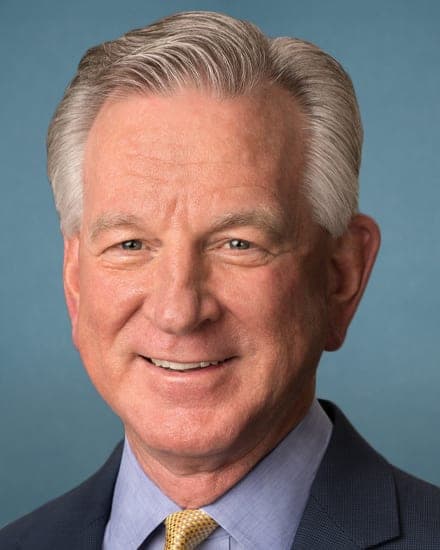
Senator whose late disclosures of stock trades are described

Former senator whose stock sales were investigated in 2020

Senator cited among lawmakers who violated the disclosure law in the past year
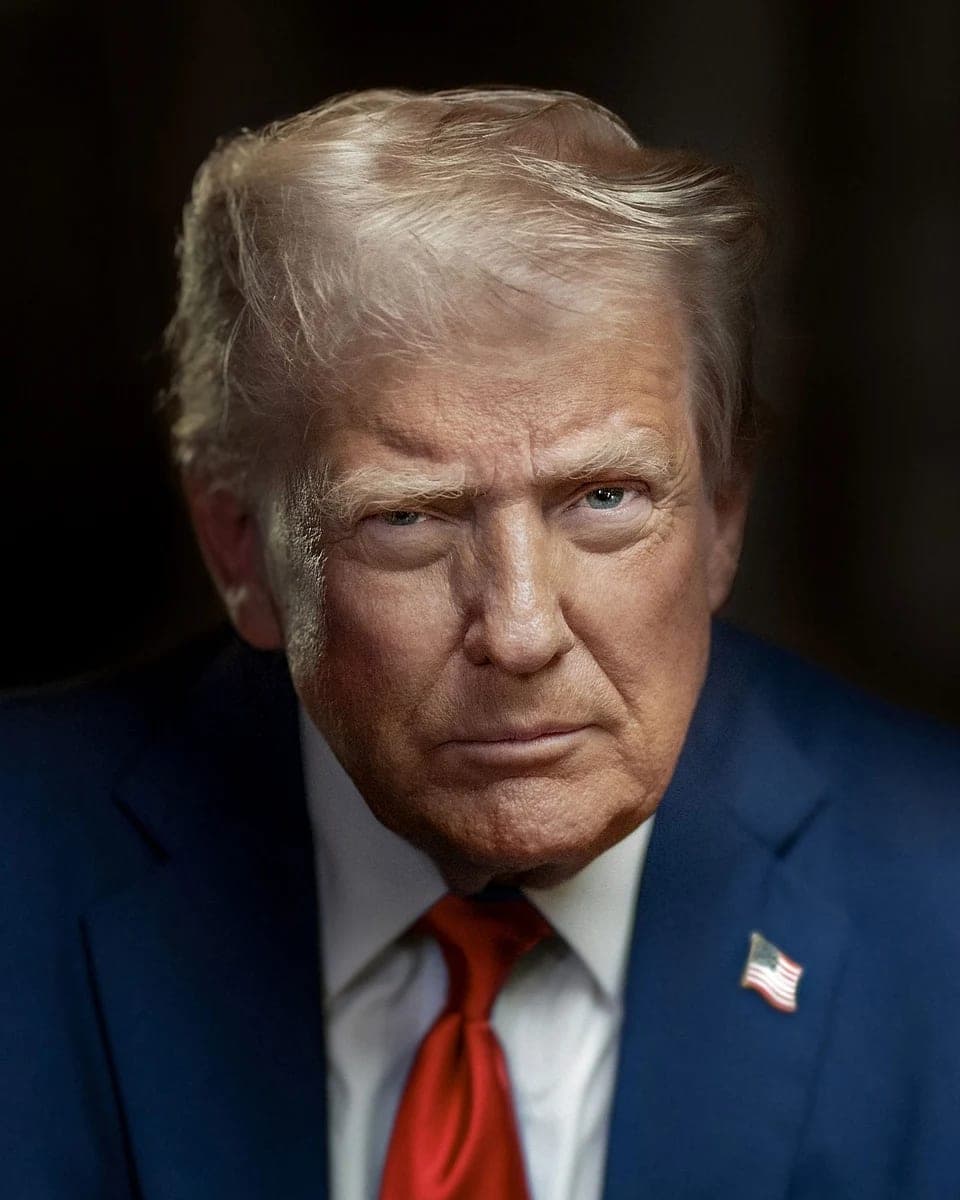
President who pardoned former representative Chris Collins
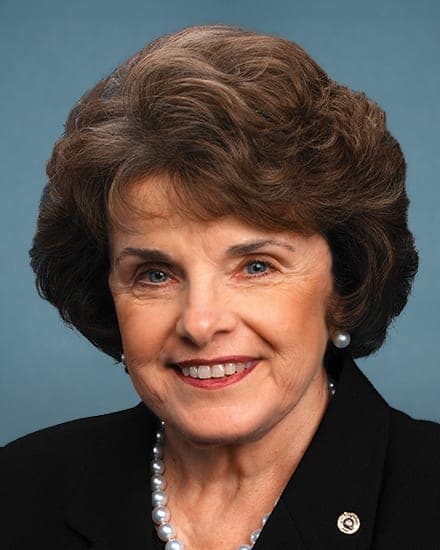
Former senator whose stock sales were investigated in 2020

Senator cited among lawmakers who violated the disclosure law in the past year

Senator cited among lawmakers who violated the disclosure law in the past year

Senator cited among lawmakers who violated the disclosure law in the past year

Former senator whose stock sales were investigated in 2020
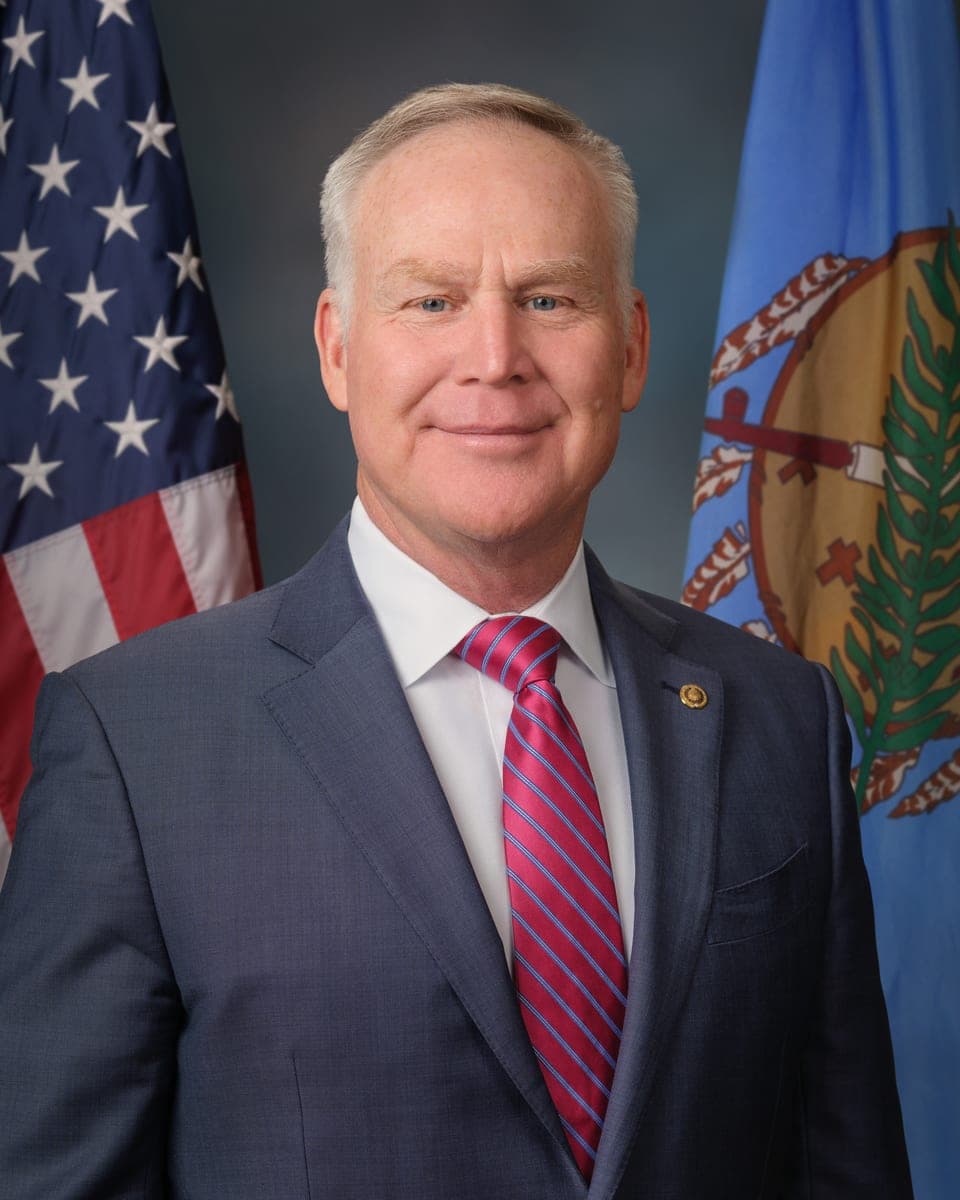
Senator cited among lawmakers who violated the disclosure law in the past year
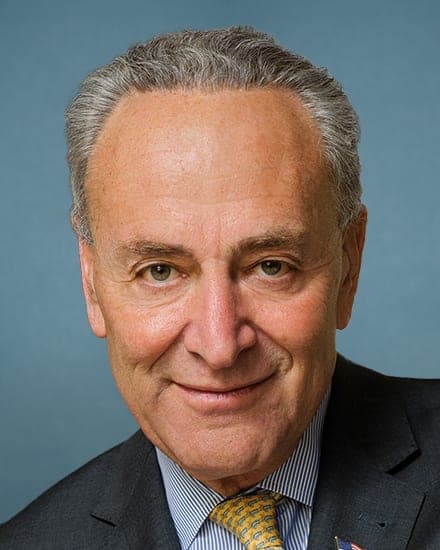
Senate Minority Leader who criticized provisions of the stock-trading bill

Senator cited among lawmakers who violated the disclosure law in the past year

Former New Jersey representative whose late filings and fine are described

Former senator whose stock sales were investigated in 2020
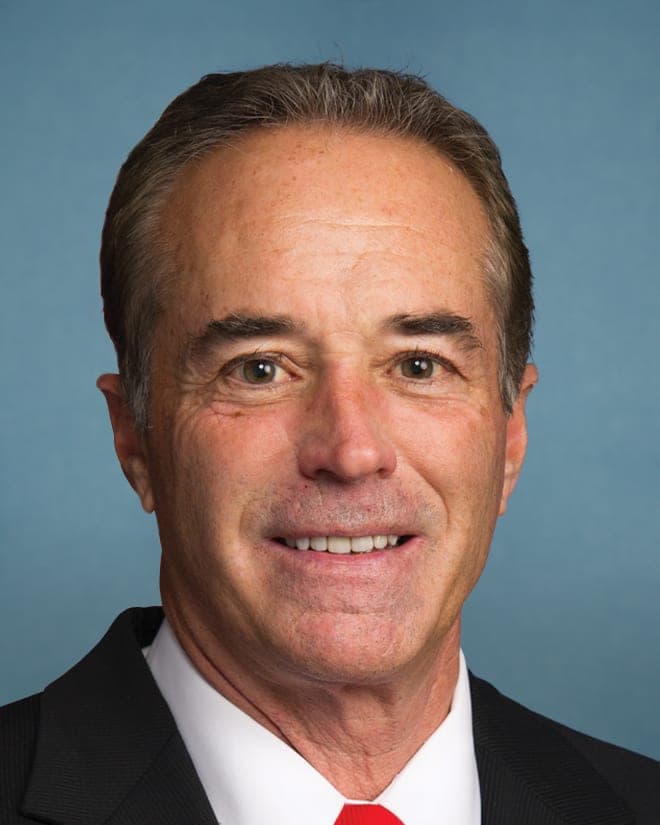
Former New York representative discussed as a past insider-trading case
Discussion · 0
Loading comments…