Senator triggers online backlash after 'ludicrous' fracas with reporter: 'What is this?'
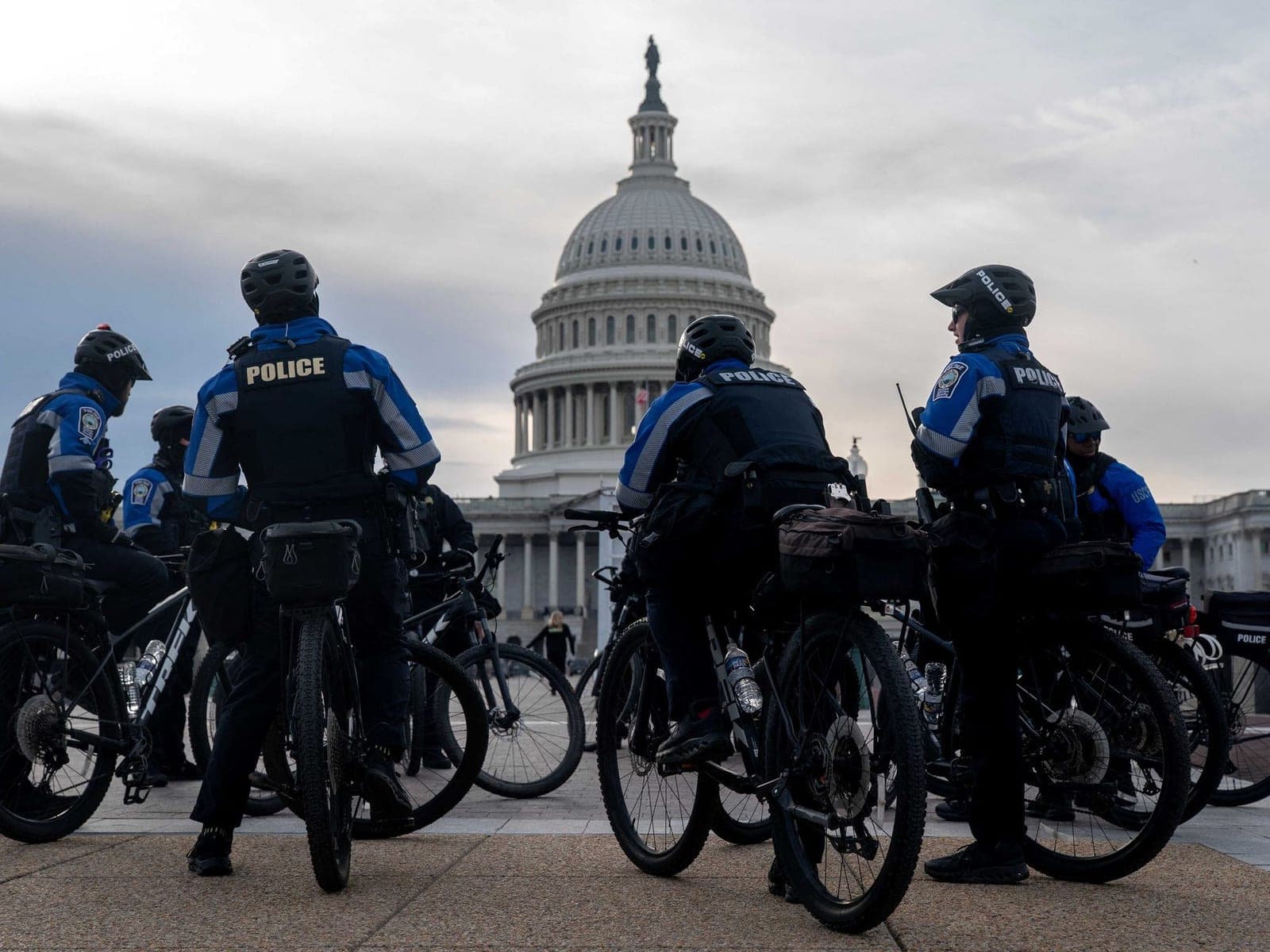
Ricketts apologized after calling for Capitol Police to stop a reporter who questioned him about Mitch McConnell.
SOURCE CHECK
TAP FOR WHYRaw Story is an established national digital news outlet, though its perspective and limited public information about its corrections practices warrant a moderate score. This article has an identified author and attributes key reactions to named journalists and social media posts.
- Source type — National digital outlet with a recognizable news operation; its editorial perspective merits caution.
- Author attribution — The page identifies an author.
- Editorial standards — The article attributes reactions and statements, but offers limited reporting beyond the incident and online responses.
- Correction history — No correction information is evident in the article.
The article reports a specific incident and includes Ricketts’s apology, Cotton’s response, and several named journalists’ reactions. It relies heavily on social media accounts and does not include an explanation from Capitol Police or more context from Ricketts about the encounter.
HOW WE SCORE ↗The article includes Ricketts’s apology and Cotton’s acceptance, but most of its space is devoted to criticism from journalists. It does not provide a fuller explanation from Ricketts or Capitol Police about the decision to intervene.
- Counterarguments presented — Ricketts’s apology is included, but no substantive explanation for his call for security is reported.
- Source diversity — The article cites multiple journalists’ reactions but few perspectives beyond them.
- Loaded language — Some wording emphasizes ridicule and outrage.
- Omitted context — The article does not include Capitol Police’s account or additional context about the encounter.
The story frames Ricketts’s conduct negatively, using charged descriptions and foregrounding critical reactions. The presentation is notably critical rather than neutral, though it also reports his apology and Cotton’s acceptance.
- Language tone — Terms such as “skewered,” “ludicrous” and “get off scot-free” heighten the critical tone.
- Source selection — Several journalists’ critical reactions are featured, while no defense of the security call is presented.
- Framing — The incident is framed chiefly as a backlash story about Ricketts’s treatment of a reporter.
Sen. Pete Ricketts called Capitol Police after a reporter questioned him about Mitch McConnell’s health, then apologized. The incident drew criticism from journalists who said the reporter posed no security threat and was entitled to ask questions in a public hallway.
TMZ DC co-managing editor Charlie Cotton asked Ricketts whether McConnell needed to do more to prove his health. Ricketts said McConnell deserved time, then called for Capitol Police to stop Cotton. Ricketts later said he reacted poorly and apologized in a phone call. Cotton accepted the apology and praised Ricketts for taking accountability.
Journalists criticized Ricketts’s response. Drop Site News reporter Julian Andreone said Cotton was credentialed and had already passed security; The Independent’s Eric Michael Garcia said Cotton posed no security threat. NOTUS reporter Igor Bobic said reporters may question senators in public hallways, and MS NOW’s Matt Fuller called the police intervention inappropriate.
Community verdict
4 VOTES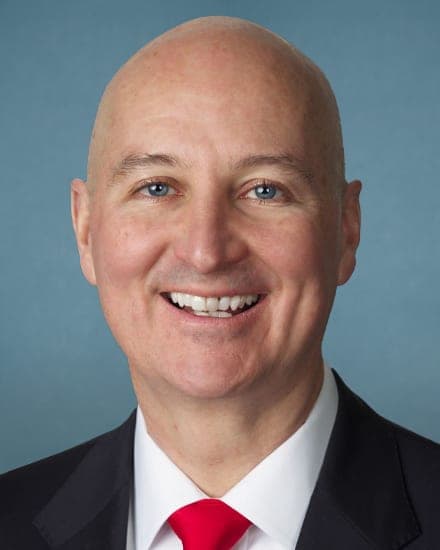
People in this story
SWIPE →Senator who called for Capitol Police to stop a reporter questioning him
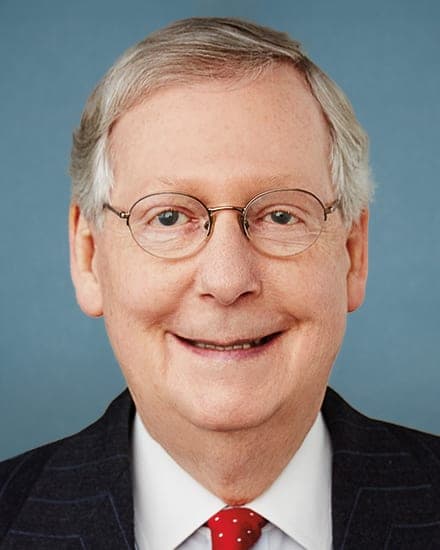
Senator whose health and absence prompted Cotton’s question
Part of a bigger story
4 OUTLETSCoverage agrees Ricketts called Capitol Police after a reporter asked about Mitch McConnell’s health, and that Ricketts later apologized. Left-leaning outlets frame the call as an effort to evade or block the question and foreground journalists’ criticism. Center outlets use more restrained language and emphasize the apology, including that the reporter accepted it.
- ARTICLES
- 4
- OUTLETS
- 4
- AVG CRED
- 68
Discussion · 0
Loading comments…