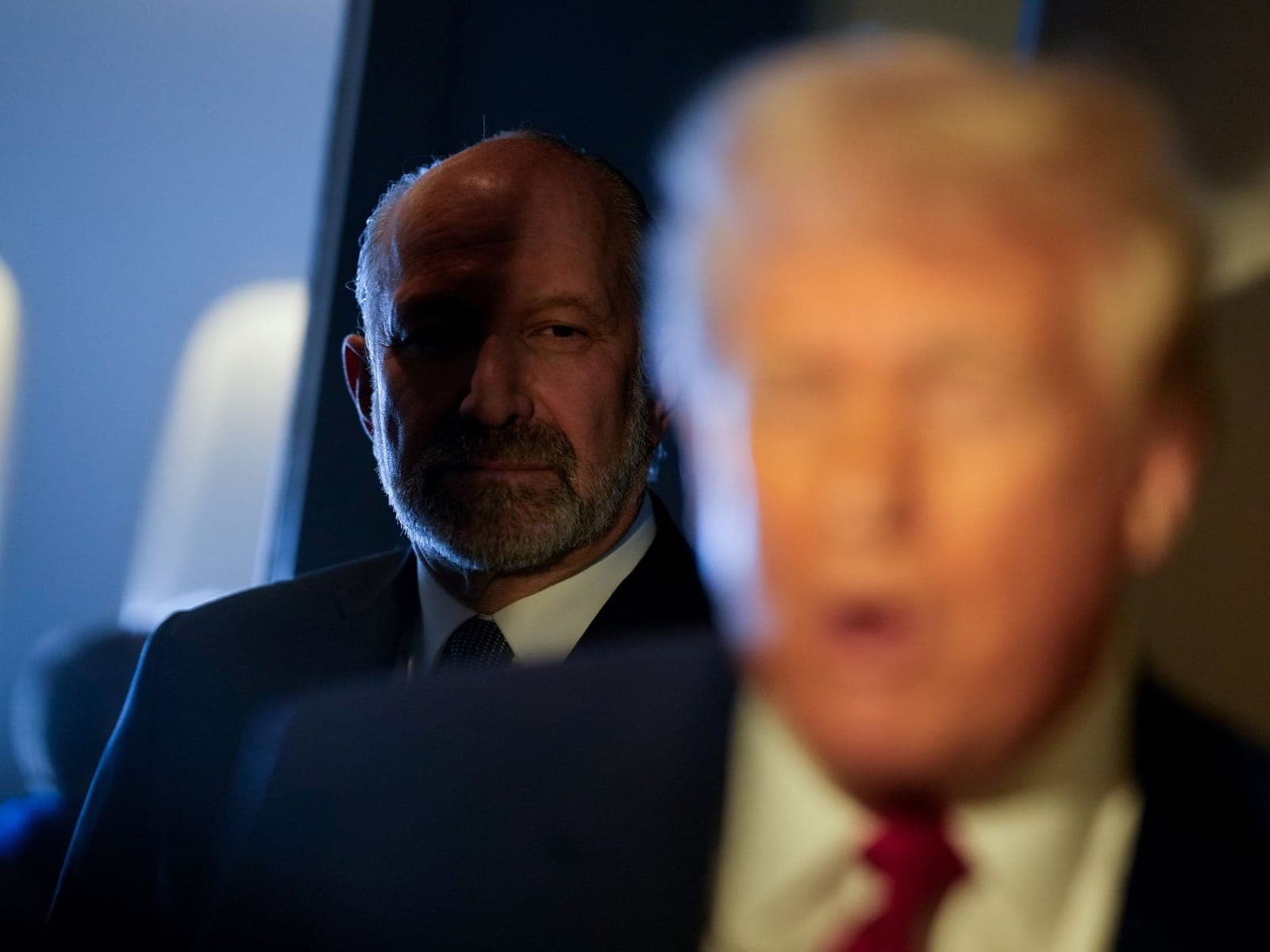
Iran evades US sanctions using scheme tied to Trump's commerce secretary: report
The article examines Tether’s ties to Lutnick’s former firm and a loan to a trust benefiting his children.
SOURCE CHECK
TAP FOR WHYRaw Story’s recorded credibility rating is modest, and the article relies substantially on a Senate report and reporting by other outlets. It identifies its author and includes responses from the Commerce Department and a Cantor executive, though Tether did not respond.
- Source type — Recorded as national news, but the publisher's own credibility rating is modest.
- Track record — The site rating is 51 based on 253 stories, providing a substantial but middling track-record signal.
- Source diversity — It cites a Senate report and reporting by the Wall Street Journal and Bloomberg, and includes responses from the Commerce Department and a Cantor executive.
- Author attribution — The article names an author.
The article supplies specific figures and attributes findings to a Senate report, draws on reporting by established outlets, and includes a law professor and responses from the Commerce Department and a Cantor executive. Tether did not respond, and the article provides limited detail about the report’s methods beyond the wallet count and trading statistic.
HOW WE SCORE ↗The article presents the report’s findings and a law professor’s criticism, while also including the Commerce Department’s statement that Lutnick complied with his ethics agreement and a Cantor executive’s explanation of the loan collateral. Tether’s representatives did not respond, and the article does not offer a detailed response from the company.
- Counterarguments presented — The Commerce Department and a Cantor executive provide responses relevant to Lutnick’s conduct and the loan.
- Source diversity — The article draws on a Senate report, news organizations, a law professor, and company and department statements.
- Omitted context — Tether did not respond, leaving its perspective on the report’s findings absent.
- Loaded language — The article’s body mostly attributes claims, though the headline uses an attention-grabbing frame.
The report is written in a largely factual style, but the headline and emphasis on Lutnick’s financial ties and potential conflicts give the story a slight critical tilt toward the Trump administration. The article also includes the Commerce Department’s defense of Lutnick’s compliance.
- Language tone — The body is mostly restrained and attributes allegations and findings to their sources.
- Headline — The headline foregrounds sanctions evasion and a connection to Trump’s commerce secretary.
- Source selection — The article draws on a Senate report, other news outlets, a law professor, and statements from the Commerce Department and Cantor.
A Senate subcommittee report says Iran used Tether’s USDT to evade sanctions and alleges the company did not quickly freeze tokens in sanctioned wallets. The article also examines Tether’s financial ties to Commerce Secretary Howard Lutnick and his former firm, Cantor Fitzgerald.
A report led by Sen. Richard Blumenthal’s Senate subcommittee found that 84 percent of 846 crypto wallets sanctioned by the U.S. and Israel in connection with Iran traded almost exclusively in Tether’s USDT. The report says the stablecoin became a payment method for Iran and a funding source for proxy groups, and faults Tether for not quickly freezing tokens in sanctioned wallets. The subcommittee referred the report to the Justice and Treasury departments; Tether representatives did not respond to requests for comment.
The article describes Cantor Fitzgerald’s financial ties to Tether and reports that one trust benefiting Lutnick’s children borrowed an undisclosed sum from Tether around the time Lutnick transferred his Cantor interest to the trusts. A Cantor executive said the loan was backed by a convertible bond tied to Tether. A law professor said the transaction created a new conflict of interest, while the Commerce Department said Lutnick complied with his ethics agreement. The article also says the Genius Act, signed by Trump in July 2025, gives Tether a three-year grace period before U.S. rules apply.
Community verdict
12 VOTES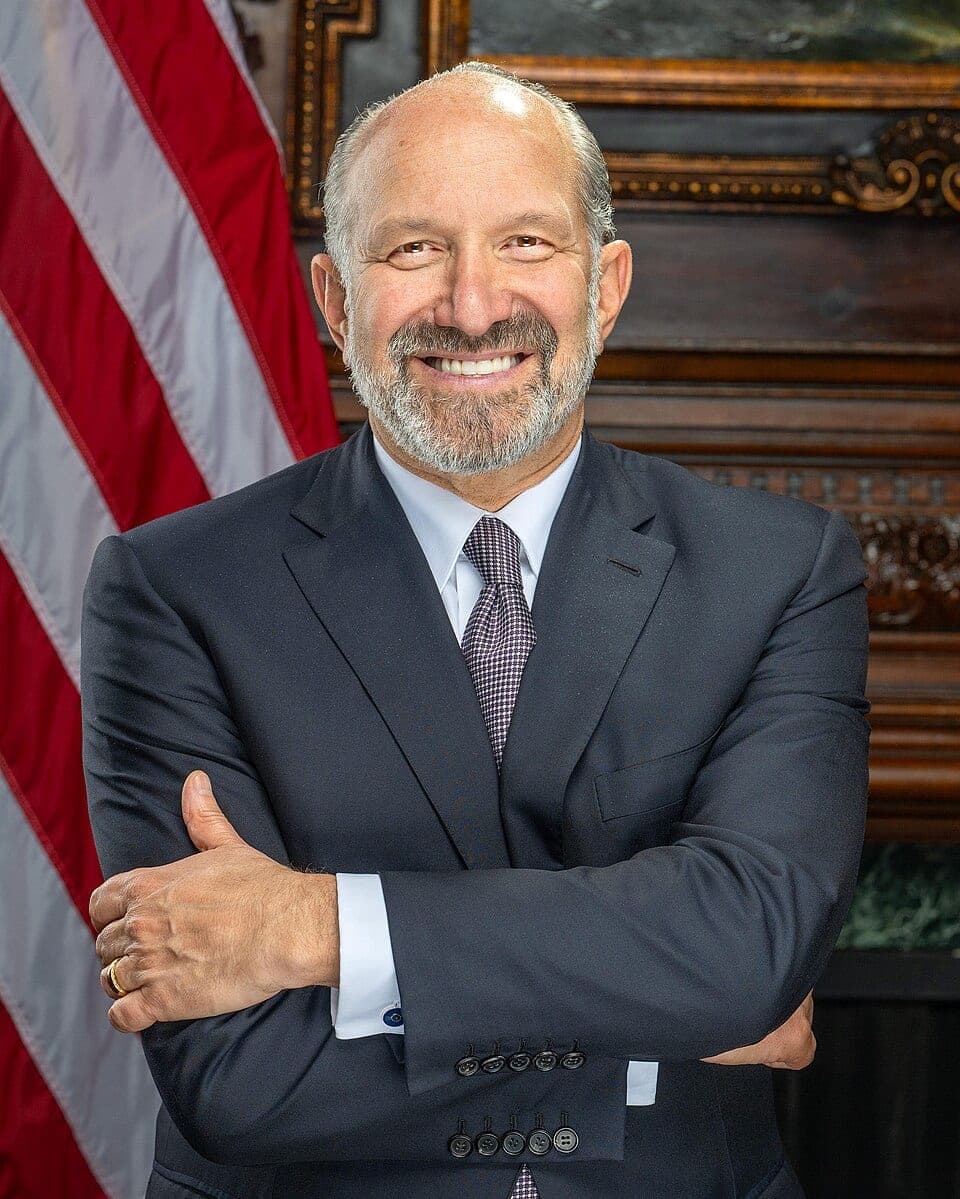
People in this story
SWIPE →Commerce Secretary whose former firm and family trusts have financial ties to Tether
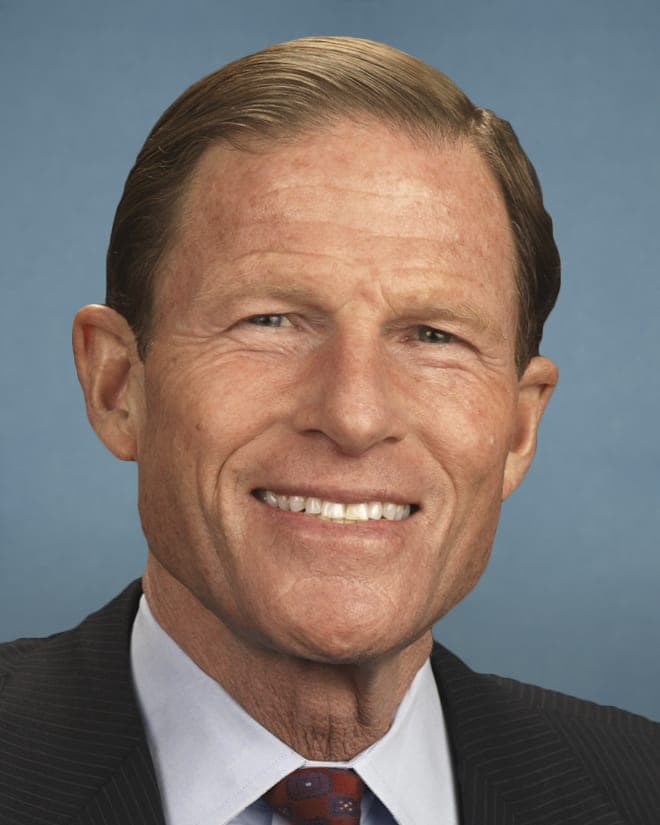
Senator who led the subcommittee behind the report on Tether and Iran
Blumenthal's version of this story ↗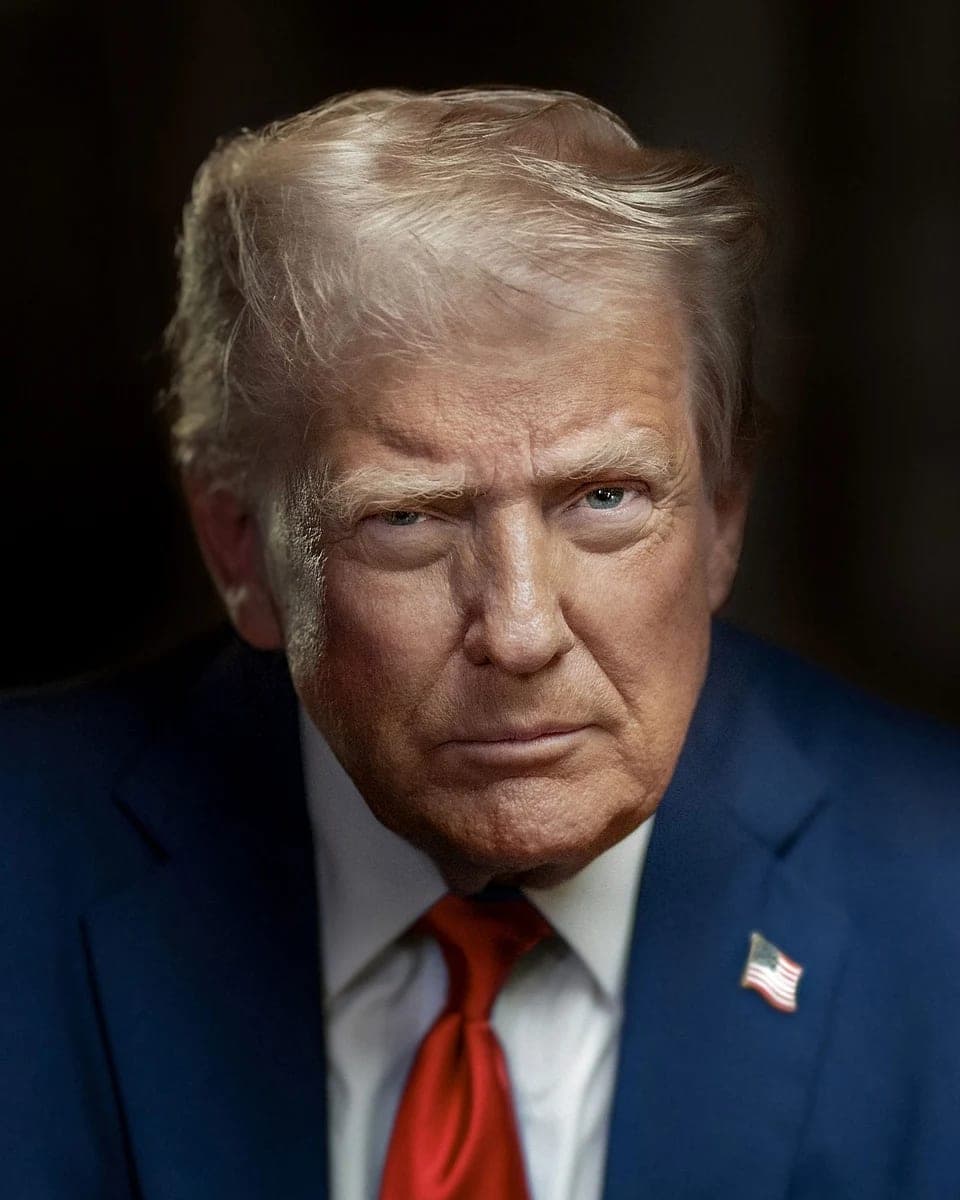
President who signed the Genius Act
Discussion · 0
Loading comments…