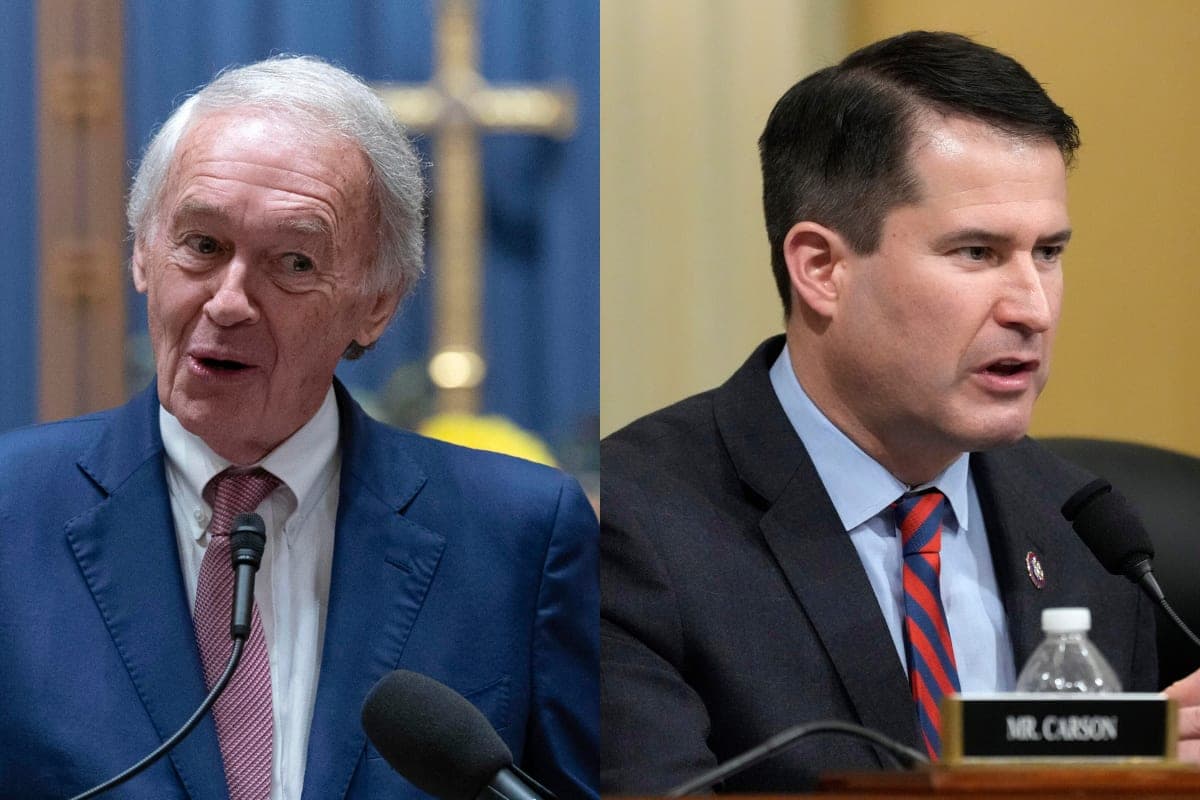
Moulton cherrypicks Epstein files to turn tenuous connection to Ed Markey into campaign attack
Markey denied being briefed on the case and said neither he nor his staff met with lobbyists about Epstein or Karim Wade.
SOURCE CHECK
TAP FOR WHYPolitiFact is an established fact-checking newsroom, and this article identifies its documentary sources, interviewees and the campaigns' responses.
- Track record — An established national fact-checking organization with a recognizable reporting format.
- Transparency — The article explains its reasoning and lists documents, interviews and other reporting sources.
- Author attribution — A named reporter is credited.
- Editorial standards — The article distinguishes what the emails show from what they do not establish and includes responses from both campaigns.
The article cites contemporaneous emails and related reporting, seeks responses from both campaigns, and carefully separates documented facts from unsupported inferences. The underlying emails leave the alleged briefing and its details unresolved.
HOW WE SCORE ↗The article examines the documents, includes Markey’s denial and Moulton’s campaign explanation, and states what remains unverified. The evidence-based ruling gives more weight to the lack of corroboration than to Moulton’s allegation.
- Counterarguments presented — Both campaigns' responses are included, alongside the emails at issue.
- Source diversity — The reporting draws on government-released emails, interviews, campaign statements and published accounts.
- Omitted context — The article explains that the cited material does not establish Markey's knowledge of Epstein's involvement or confirm the briefing.
- Loaded language — Some evaluative wording appears, but the article supports its conclusion with a detailed account of the evidence.
The article uses a fact-checking frame and scrutinizes Moulton’s claim, but its language and evidence-focused presentation do not show a discernible broader partisan lean.
- Language tone — The article is mostly explanatory and evidence-focused, though the headline characterizes Moulton's use of the files as cherry-picking.
- Source selection — It presents documents and responses from both candidates' campaigns.
- Framing — The central focus is whether the evidence supports a specific campaign allegation.
Seth Moulton used 2015 emails to accuse Senate rival Ed Markey of being part of an Epstein lobbying effort. PolitiFact found the emails did not establish that Markey was briefed or knew of Epstein’s involvement and rated Moulton’s claim Mostly False.
Moulton raised the allegation during an Aug. 3 debate and repeated it in an Instagram post two days later. The post referred to a 2015 email in which a lobbyist’s colleague said the firm had briefed Markey about Karim Wade’s case in Senegal; the colleague later forwarded the email to Jeffrey Epstein. The emails do not show that Markey knew of Epstein’s involvement, and they do not independently confirm that Markey was briefed.
Community verdict
12 VOTES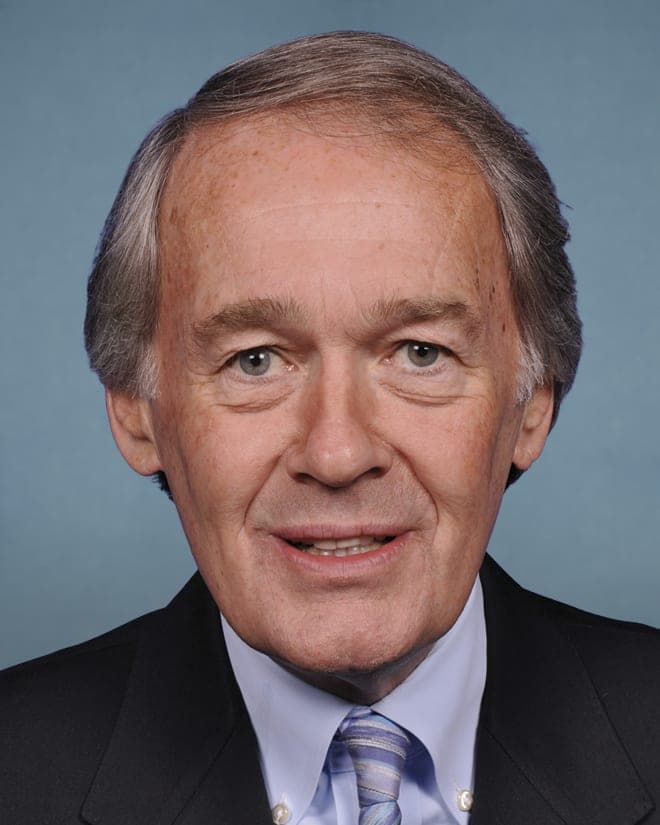
People in this story
SWIPE →U.S. senator and Senate candidate targeted by Moulton's allegation
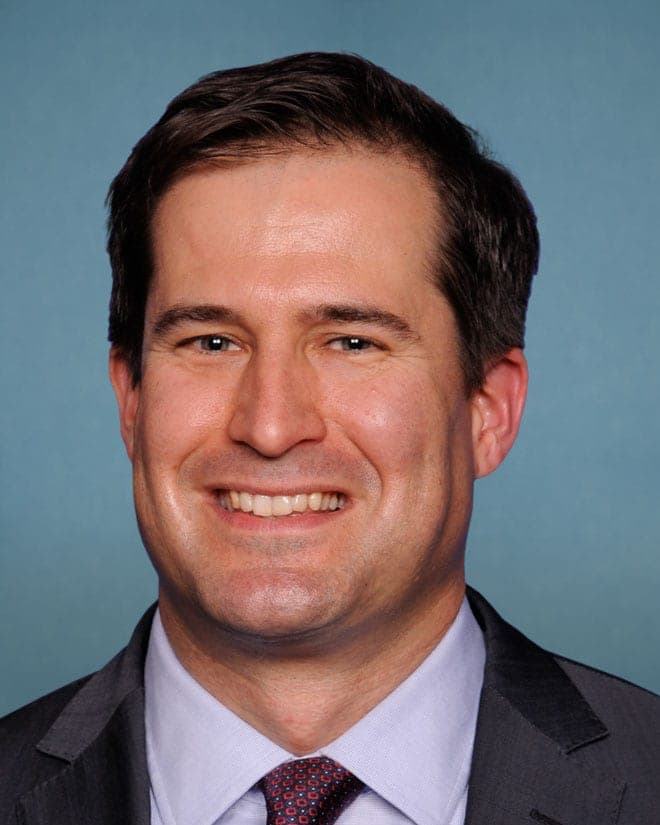
U.S. representative and Senate candidate who made the campaign allegation against Ed Markey
Moulton's version of this story ↗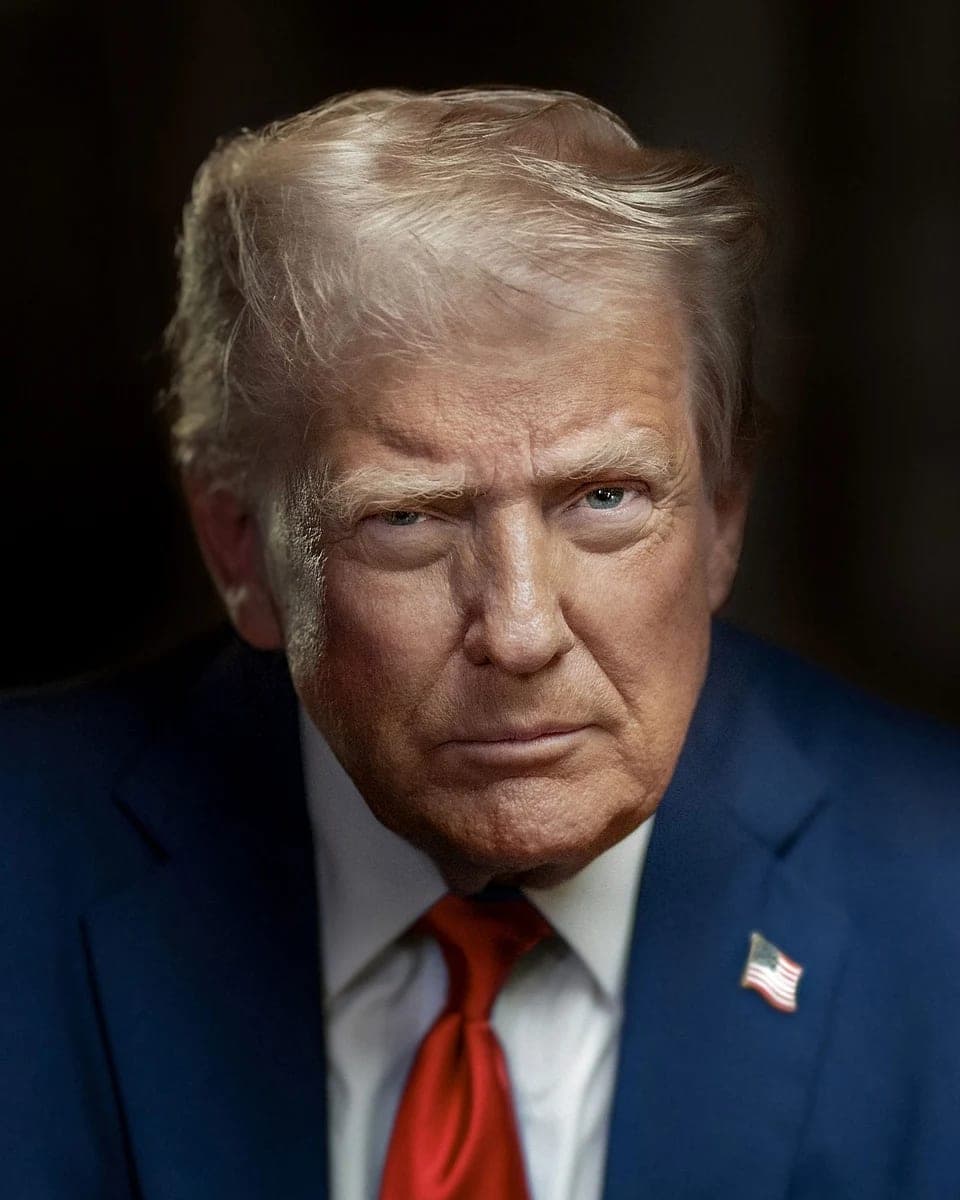
President mentioned in connection with the release of Epstein files
Part of a bigger story
3 OUTLETSOutlets agree that Moulton alleged a connection between Markey and Epstein through a lobbyist, and Markey denied meeting with the lobbyist or having the alleged connection. Center outlets focus on whether cited emails establish Markey’s knowledge of Epstein’s involvement, while a separate report gives more prominence to the candidates’ exchange and denials.
- ARTICLES
- 3
- OUTLETS
- 3
- AVG CRED
- 79
Discussion · 0
Loading comments…