The little-known Democrat with big influence over AI policy
Foushee is helping shape Democrats’ AI recommendations and says civil rights protections should be central to regulation.
SOURCE CHECK
TAP FOR WHYPolitico is an established national news organization, and this article includes named reporters, interviews, attributed statements and responses from company representatives. Its reporting also uses an anonymous leadership aide for internal Republican discussions, limiting transparency on that point.
- Source type — Established national news outlet with a substantial political reporting operation.
- Transparency — The article identifies interviewees and attributes claims, while one account of internal Republican discussions relies on an anonymous aide.
- Author attribution — Two reporters are named.
- Editorial standards — The article presents reported information and attributed quotations rather than unsupported assertions.
The story draws on an interview with Foushee, statements from other lawmakers, and responses from AI companies, while laying out contrasting approaches to regulation. It offers limited detail on the draft recommendations and the bill proposals, and Anthropic did not respond to a request for comment.
HOW WE SCORE ↗The article describes a range of Democratic positions and includes company perspectives, but it centers Foushee’s account and reports limited direct response from Republican lawmakers or Anthropic.
- Source diversity — Quotes Foushee and other lawmakers, and includes comments from OpenAI and an anonymous Republican leadership aide.
- Counterarguments presented — Contrasting regulatory proposals are described, though opposing perspectives receive less direct attention than Foushee’s.
- Omitted context — Anthropic did not respond, and the article provides little direct Republican policy argument.
- Loaded language — The language is mainly descriptive, with some attributed characterizations.
The article uses a largely descriptive tone and presents differing Democratic approaches alongside comments from both AI companies. It does not clearly advocate for a particular regulatory position.
- Language tone — Mostly neutral descriptions and attributed quotations.
- Source selection — Includes lawmakers with differing policy approaches and comments from OpenAI and Anthropic.
- Framing — Frames the story around Foushee’s influence and the party’s unresolved policy choices, not an endorsement of one approach.
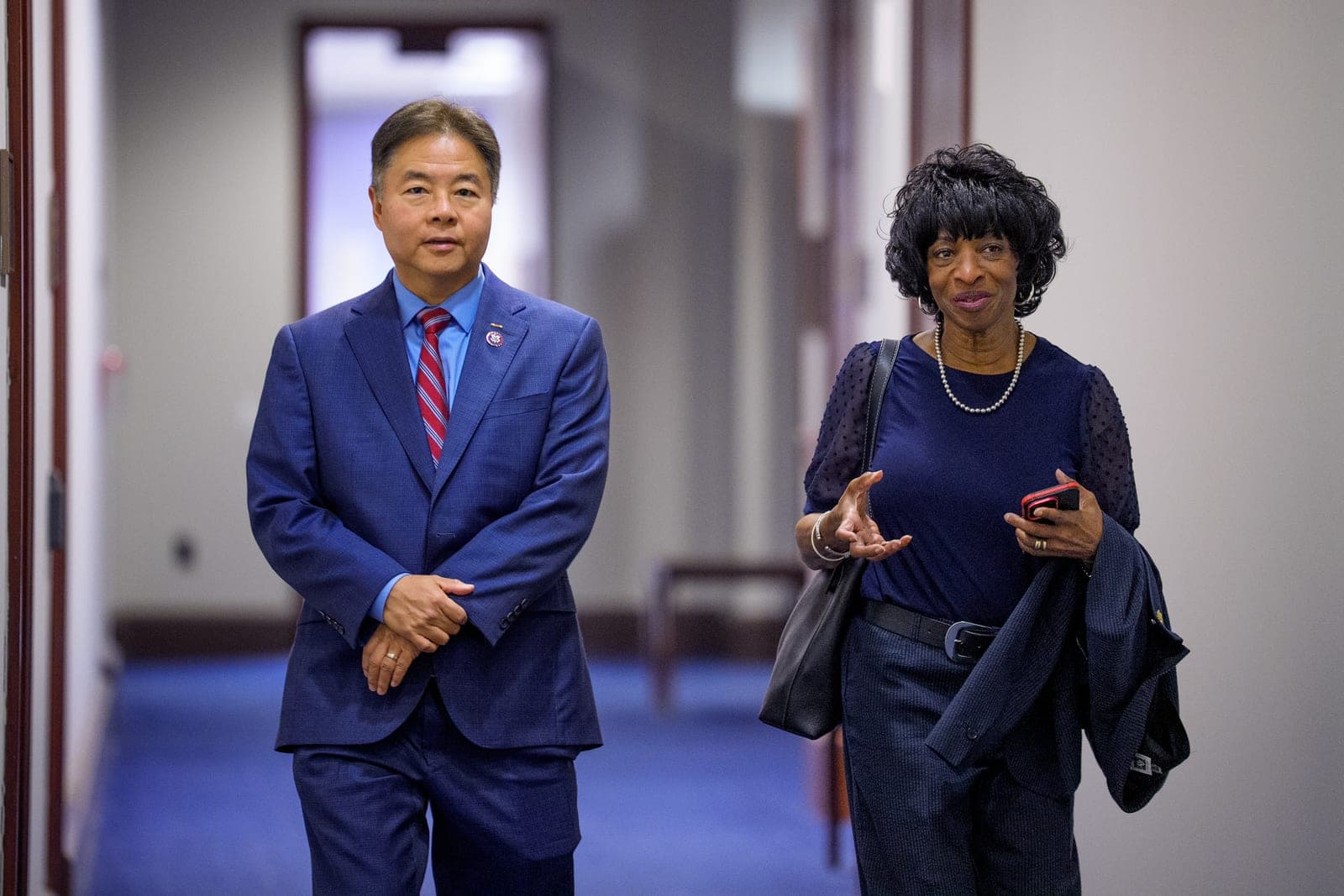
Rep. Valerie Foushee is helping shape House Democrats’ AI policy recommendations and says civil rights protections should be central. Her views on AI regulation and the choices facing Democrats come as lawmakers debate how to address the technology.
Rep. Valerie Foushee is one of three co-chairs of a commission created by House Minority Leader Hakeem Jeffries to develop Democratic recommendations on artificial intelligence. Foushee said the commission had submitted a first draft to Jeffries and that she would push for civil rights and liberties protections and a human role in any regulatory framework.
Foushee said she has engaged with major AI companies but denied that Anthropic influenced her policy work. The article describes disagreements among Democrats over approaches to AI: Greg Casar supports a ban on highly sophisticated systems and a pause in development, while Lori Trahan has introduced a bipartisan bill with Jay Obernolte. Foushee said she had not decided whether to support Trahan’s bill and favored a committee markup.
Community verdict
17 VOTES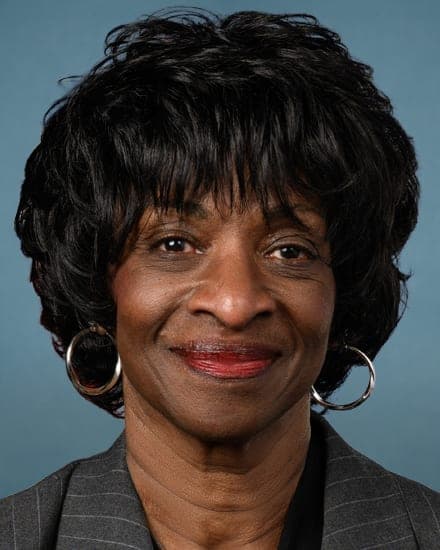
People in this story
SWIPE →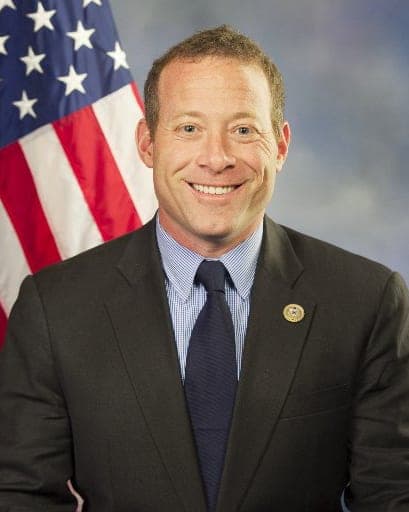
AI commission co-chair
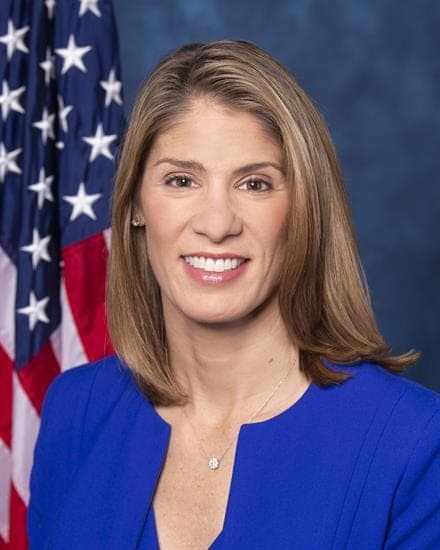
Representative who introduced a bipartisan bill to regulate advanced AI models
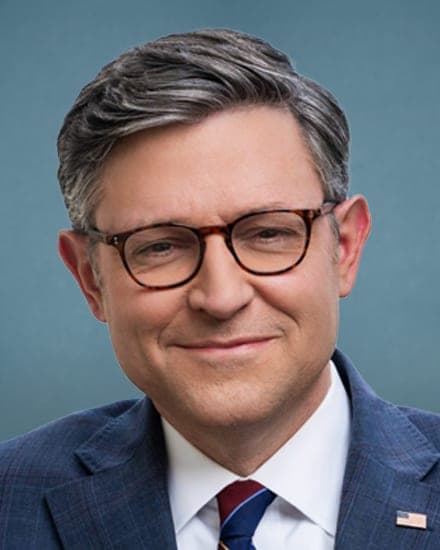
Speaker of the House who did not reconstitute the bipartisan AI task force
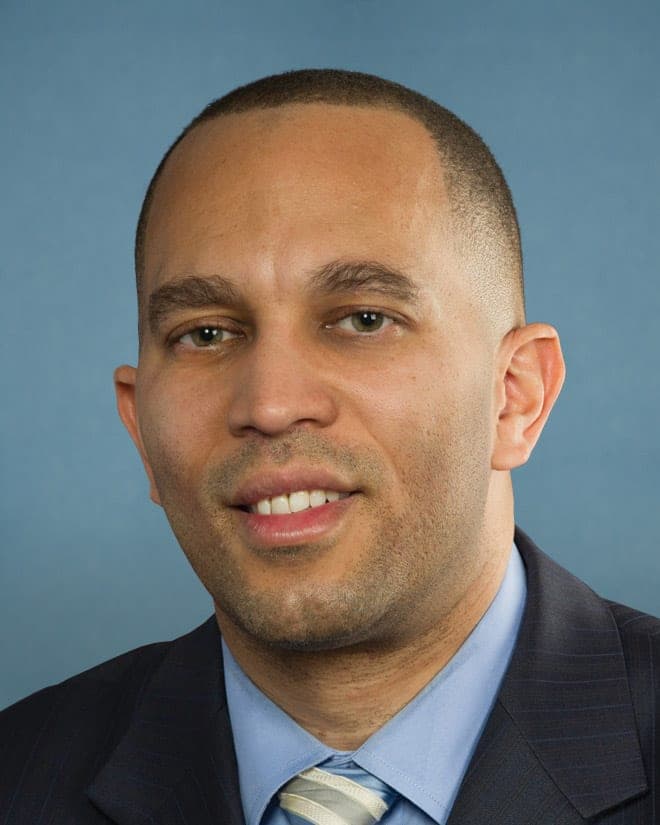
House Minority Leader who established the Democratic AI commission
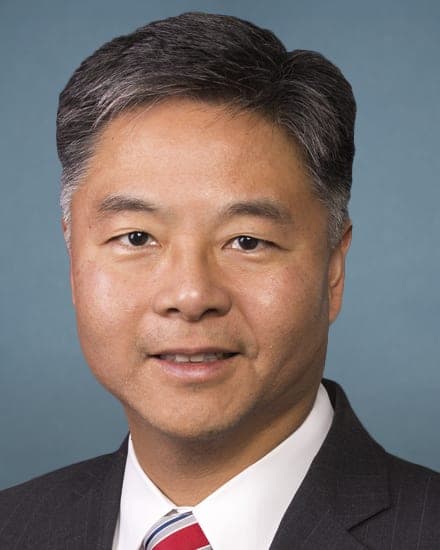
AI commission co-chair and House Democrat quoted in support of Foushee
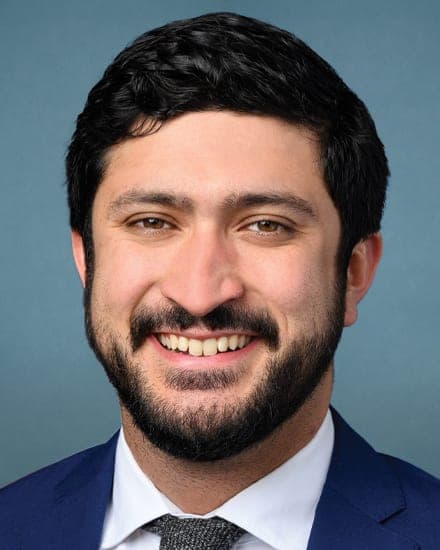
Progressive Caucus chair associated with proposals to restrict advanced AI development
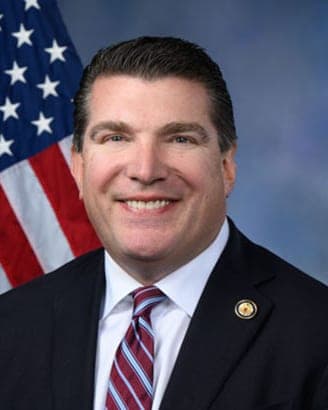
Representative who negotiated an AI bill with Trahan
Discussion · 0
Loading comments…