Congress targets lifelike chatbots
Whitesides discussed the child-chatbot safeguards in a bill he introduced with three other House members.

SOURCE CHECK
TAP FOR WHYPOLITICO is an established national news organization with named authors and reporters. This newsletter item identifies its interview and reporting sources, though the text offers limited evidence about corrections practices.
- Source type — An established national news outlet with a substantial reporting operation.
- Author attribution — The article names its author and identifies other POLITICO reporters whose reporting it references.
- Transparency — The interview is identified as edited for length and clarity, and quoted claims are attributed.
The article gives a detailed interview with the bill’s lead voice and attributes claims about the legislation and lawsuits. It offers little counterargument or independent assessment of the proposed safeguards, and the brief updates on other bills are lightly contextualized.
HOW WE SCORE ↗The main feature explains the proposal through an interview with its supporter, but does not include opposing views or an independent evaluation. The separate roundup items are concise and attributed, but offer little broader context.
- Source diversity — The central interview presents one principal perspective; the other items include attributed statements but limited additional voices.
- Counterarguments presented — No critic of the chatbot bill or response from affected companies is included.
- Loaded language — The reporter’s wording is restrained; stronger claims are presented as quotations from Whitesides or the senators.
The piece uses neutral language and presents the chatbot bill largely through an interview with its supporter. It does not endorse a partisan position or use distinctly partisan framing.
- Source selection — The main feature relies heavily on the bill’s sponsor, without a critic or outside expert.
- Language tone — Mostly matter-of-fact wording, with the interviewee’s forceful statements attributed to him.
- Framing — The article explains the proposal and includes separate technology-policy updates without an explicit editorial verdict.
Four House members introduced a bill to limit minors’ access to chatbots that simulate emotions and relationships. Rep. George Whitesides said it would require product-design safeguards, while other items in the newsletter cover senators’ election-misinformation letter and new data-center bills.
Reps. George Whitesides, Mike Kennedy, Mariannette Miller-Meeks and Doris Matsui introduced the Protecting Kids from Human-Like Chatbots Act. In an interview, Whitesides described proposed rules against chatbots manipulating children to stay engaged, pretending to be human or professionals, and failing to make clear what they are. He argued that Congress should act rather than rely only on lawsuits after harm occurs.
Separately, Sens. Adam Schiff and Alex Padilla sent a letter to tech executives seeking information about steps to prevent election-related misinformation. Sens. John Curtis and Lisa Blunt Rochester introduced bills concerning community expertise on data-center proposals and public information about data centers’ environmental impacts; Curtis said transparency could address public skepticism.
Community verdict
18 VOTES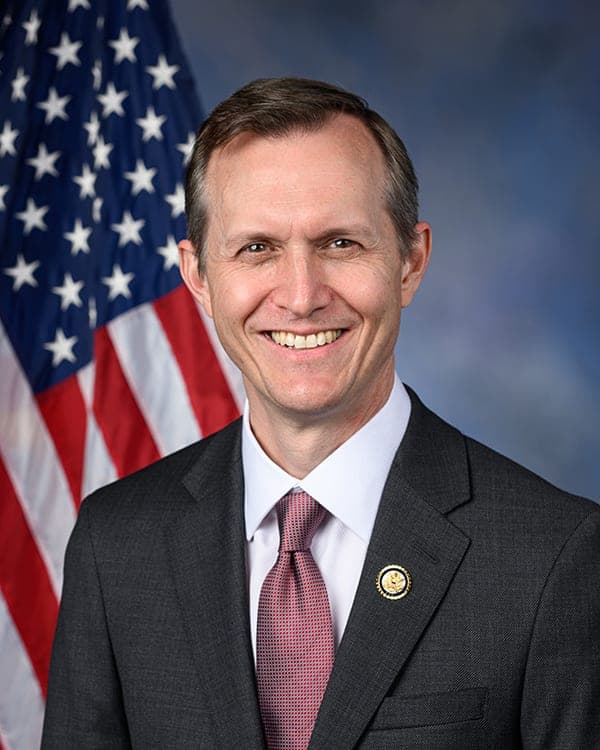
People in this story
SWIPE →House member and lead interviewee on the child-chatbot bill
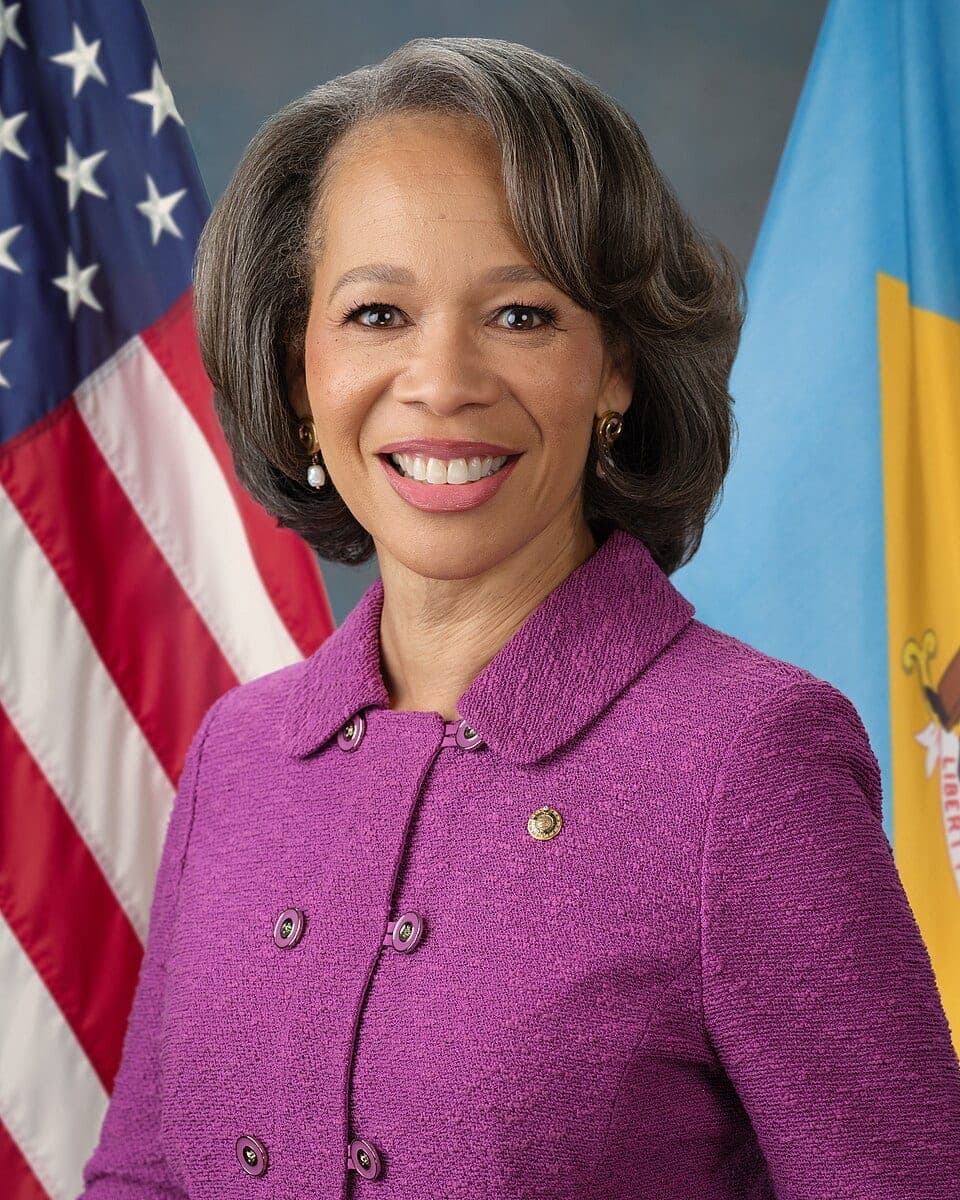
Senator who introduced data-center bills with John Curtis
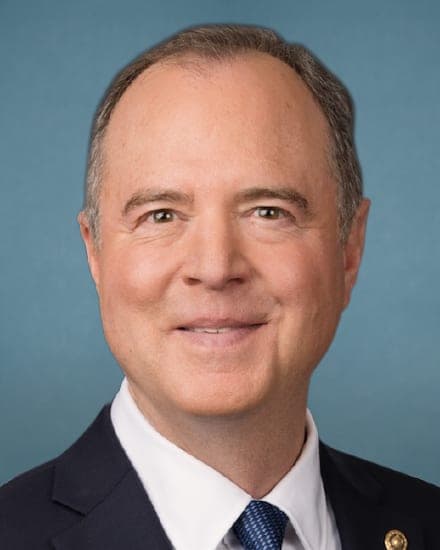
Senator who joined a letter to technology companies about election misinformation
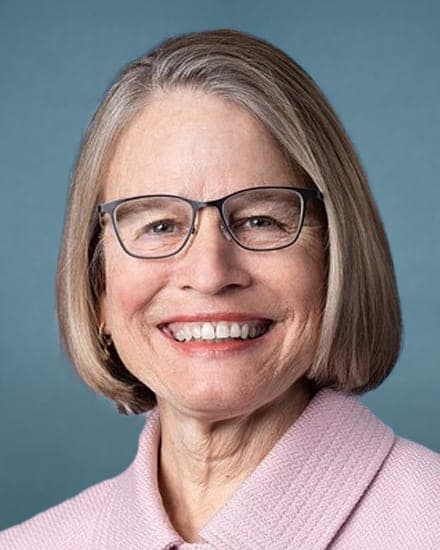
House co-introducer of the child-chatbot bill

House co-introducer of the child-chatbot bill
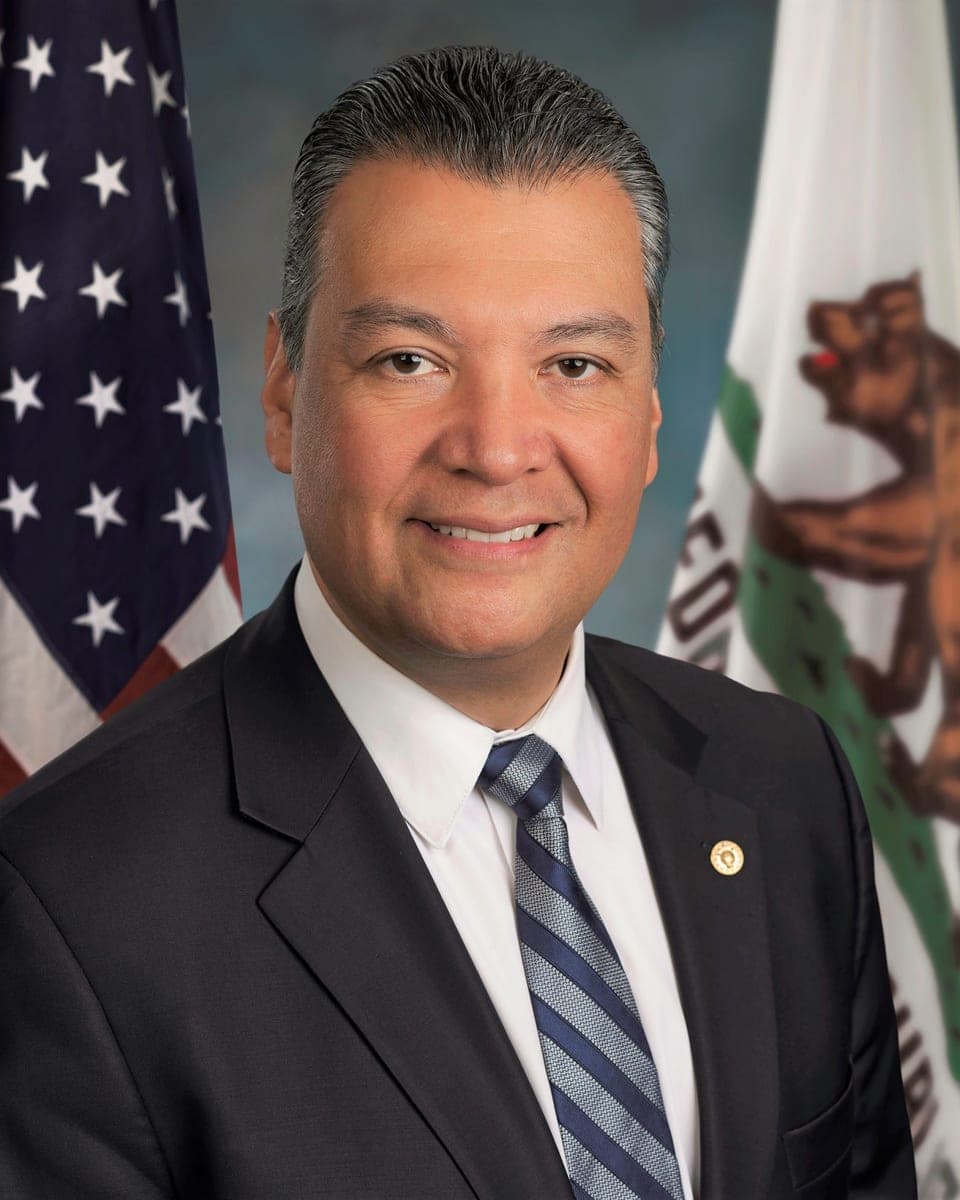
Senator who joined a letter to technology companies about election misinformation
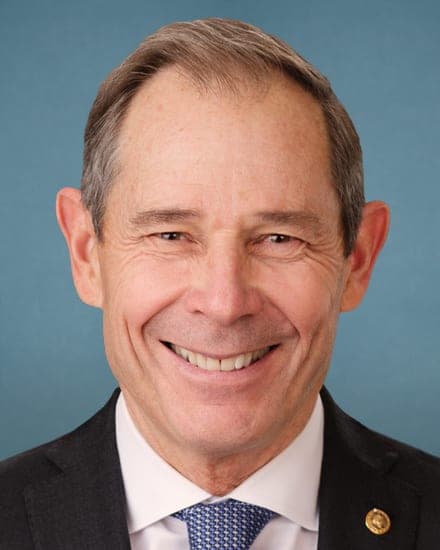
Senator who introduced data-center bills and commented on transparency
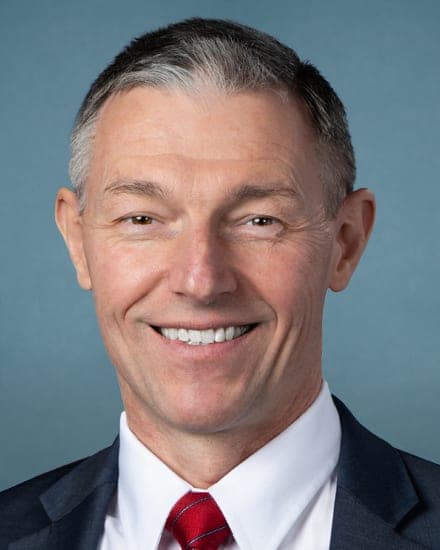
House co-introducer of the child-chatbot bill
Discussion · 0
Loading comments…