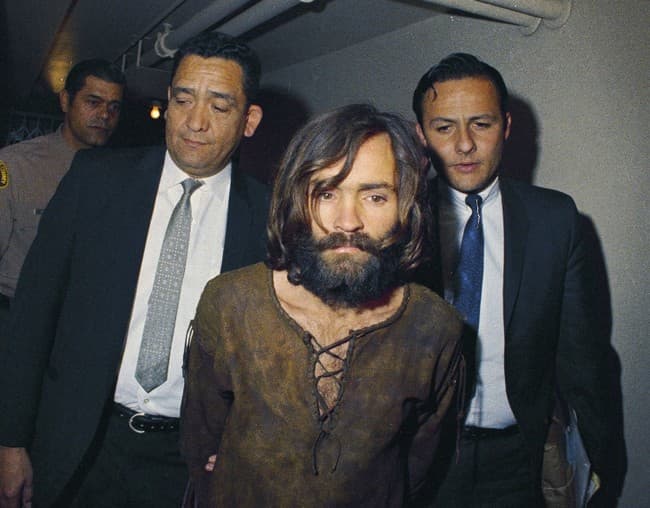
The Manson Story Isn't Dead Because the CIA Still Has Secrets
Luna led a hearing on MKUltra and pledged to press the CIA for additional records.
SOURCE CHECK
TAP FOR WHYPJ Media publishes under an identifiable byline, but this is an opinion piece rather than independently presented straight reporting. Its reliance on attributed hearing testimony and explicit caveats helps transparency, though the article offers limited independent verification of its central historical claims.
- Source type — Opinion-first publication context lowers the score compared with a straight-news newsroom.
- Transparency — The article attributes testimony and allegations and acknowledges limits to the evidence.
- Author attribution — The article identifies an author, supporting accountability.
- Editorial standards — The argument blends documented program history with unconfirmed connections and provides little independent verification.
The article names witnesses and distinguishes their testimony from proof, including noting that a proposed Manson connection remains unestablished. However, it offers limited sourcing beyond testimony and quoted material, and its opinionated framing gives substantial space to a speculative historical link.
HOW WE SCORE ↗The piece is an opinion argument centered on secrecy and the case for disclosure. It includes important caveats—that the alleged Manson connection is unproven and that the CIA disputes it—but does not provide much independent counteranalysis.
- Counterarguments presented — The article notes the CIA disputes the connection and that O’Neill could not prove Manson and West met.
- Opinion vs reporting — The personal narrative and rhetorical conclusions make this an openly argumentative piece.
- Source diversity — Several witnesses are named, but the article offers limited independent evaluation of their claims.
- Omitted context — The article gives little detail on official investigations or the evidence behind the CIA’s response.
The article is strongly critical of government secrecy, but its framing does not establish a clear left-right political lean. Its skepticism is directed at the CIA and secrecy rather than a party or congressional faction.
- Framing — The article emphasizes transparency and accountability rather than a left- or right-coded policy dispute.
- Language tone — The language is dramatic and critical of secrecy, without a clear partisan target.
- Source selection — The piece relies on hearing testimony and acknowledges that key connections remain unproven.
Rep. Anna Paulina Luna held a hearing on the CIA’s MKUltra program and pledged to press for more records. The article recounts allegations linking psychiatrist Jolly West, Charles Manson and the program, while acknowledging that no proof establishes Manson was an intelligence asset.
The article describes a June 30 hearing led by Rep. Anna Paulina Luna’s task force on the CIA’s MKUltra program. Luna said Americans deserve a full accounting, and pledged to keep pressing the CIA to release records. Witnesses Stephen Kinzer and Tom O’Neill discussed alleged experiments and surviving documents; the article says CIA Director Richard Helms ordered most MKUltra records destroyed in 1973.
O’Neill testified about psychiatrist Louis “Jolly” West, the San Francisco clinic where Manson’s group received care, and alleged proposals involving drugs and behavioral modification. The article notes that O’Neill did not prove Manson was an intelligence asset or that West and Manson were ever in the same room, and says the allegations have not been confirmed by official investigations. It also says the CIA has disputed claims linking Manson to MKUltra.
Community verdict
9 VOTES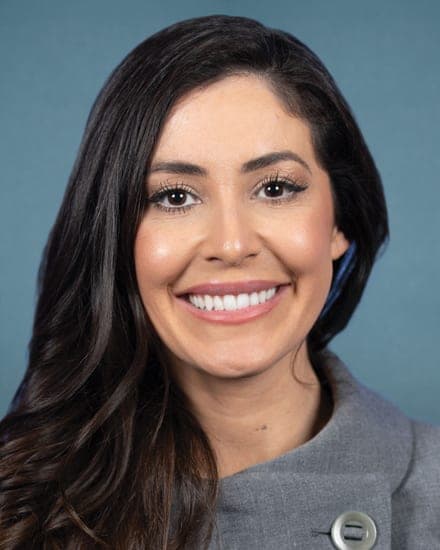
People in this story
SWIPE →Representative and chair of the task force that held the MKUltra hearing
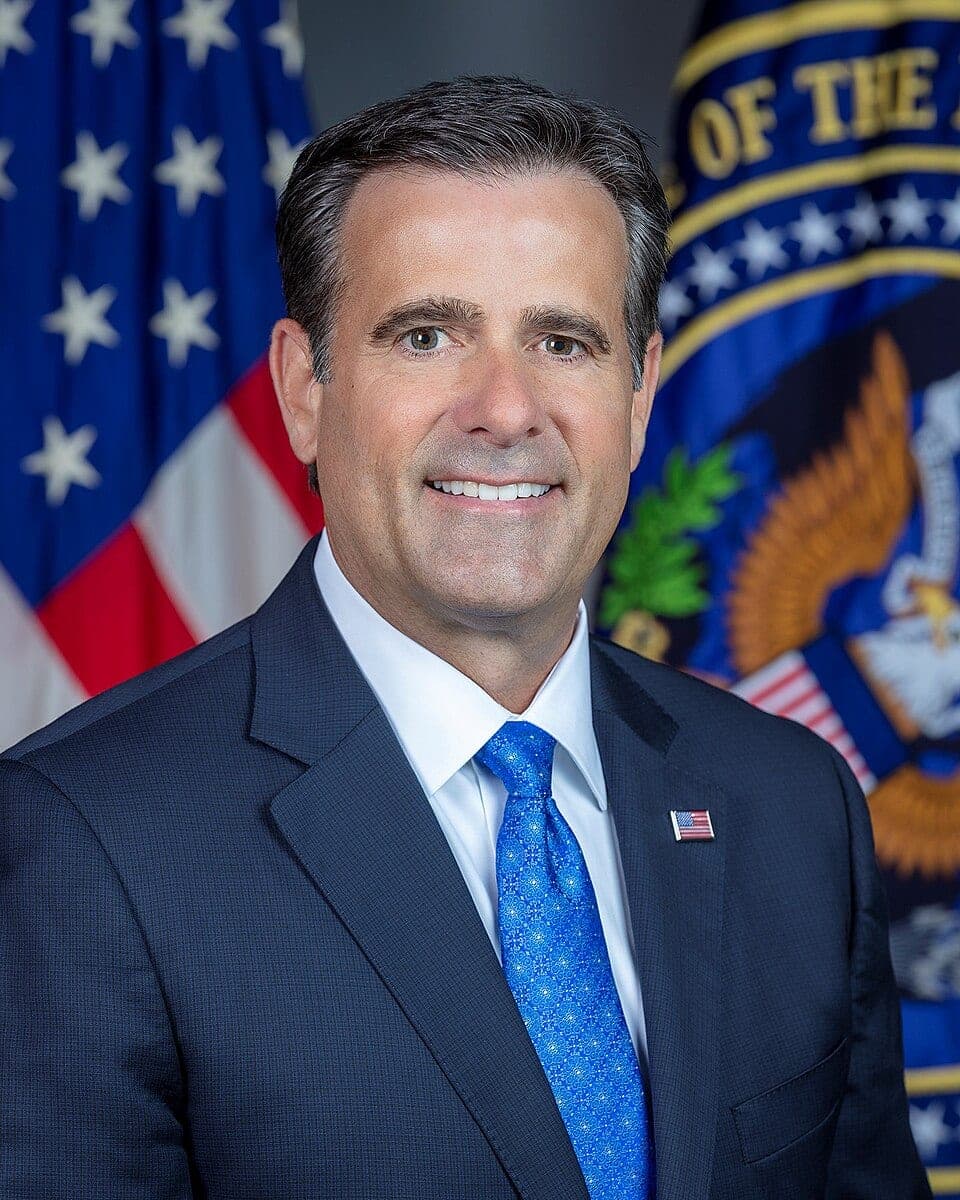
CIA director mentioned as leading the agency
Discussion · 0
Loading comments…