Supreme Court vote shadows Maine Sen. Susan Collins in her first bid after abortion rights decision
He is making abortion rights part of his challenge to Collins while addressing his past positions on the issue.
SOURCE CHECK
TAP FOR WHYCredibility rates PBS, where this article appeared. The other scores rate the article itself.
The reporting is credited to the Associated Press, an established wire service, and is published by PBS NewsHour. The article identifies its reporting and contributors and draws on named sources, polling and campaign statements.
- Source type — Associated Press reporting is a strong institutional source; PBS NewsHour is an established news publisher.
- Author attribution — The article identifies the Associated Press and names a contributing polling editor.
- Editorial standards — The story includes named sources, poll findings and statements from both campaigns.
- Transparency — An AP dateline and a report of contributor participation are provided.
The article combines voter interviews, campaign statements, polling and expert commentary, and gives readers relevant context about Collins’s record and Jackson’s position. It presents competing views, though it does not provide extensive detail on the methodology behind all cited surveys or the campaigns’ broader policy agendas.
HOW WE SCORE ↗The article presents criticism of Collins and support for her, while also discussing Jackson’s advocacy and vulnerabilities. It uses several kinds of sources, although it does not give either campaign extensive space to lay out a full policy case.
- Counterarguments presented — Voters critical of Collins are balanced by voters who continue to support her and value her record.
- Source diversity — The article includes voters, campaign spokespeople, polling and an academic expert.
- Opinion vs reporting — Claims and opinions are attributed, with the article generally maintaining a reporting voice.
- Omitted context — The story gives relevant campaign and polling context but does not detail every candidate’s policy positions.
The article uses mostly neutral reporting language and includes both criticism of Collins’s vote and arguments from her supporters. It also describes Jackson’s campaign positions and challenges without adopting either campaign’s framing as fact.
- Language tone — The prose is predominantly descriptive and attributes critical characterizations to voters and campaigns.
- Source selection — The report includes voters with differing views, campaign representatives, polling and an academic expert.
- Framing — It examines how the abortion issue affects both candidates rather than advancing a campaign argument.
Original publisher not identified
This article credits another publisher, which ChamberLight has not identified, so the scores are PBS's own.
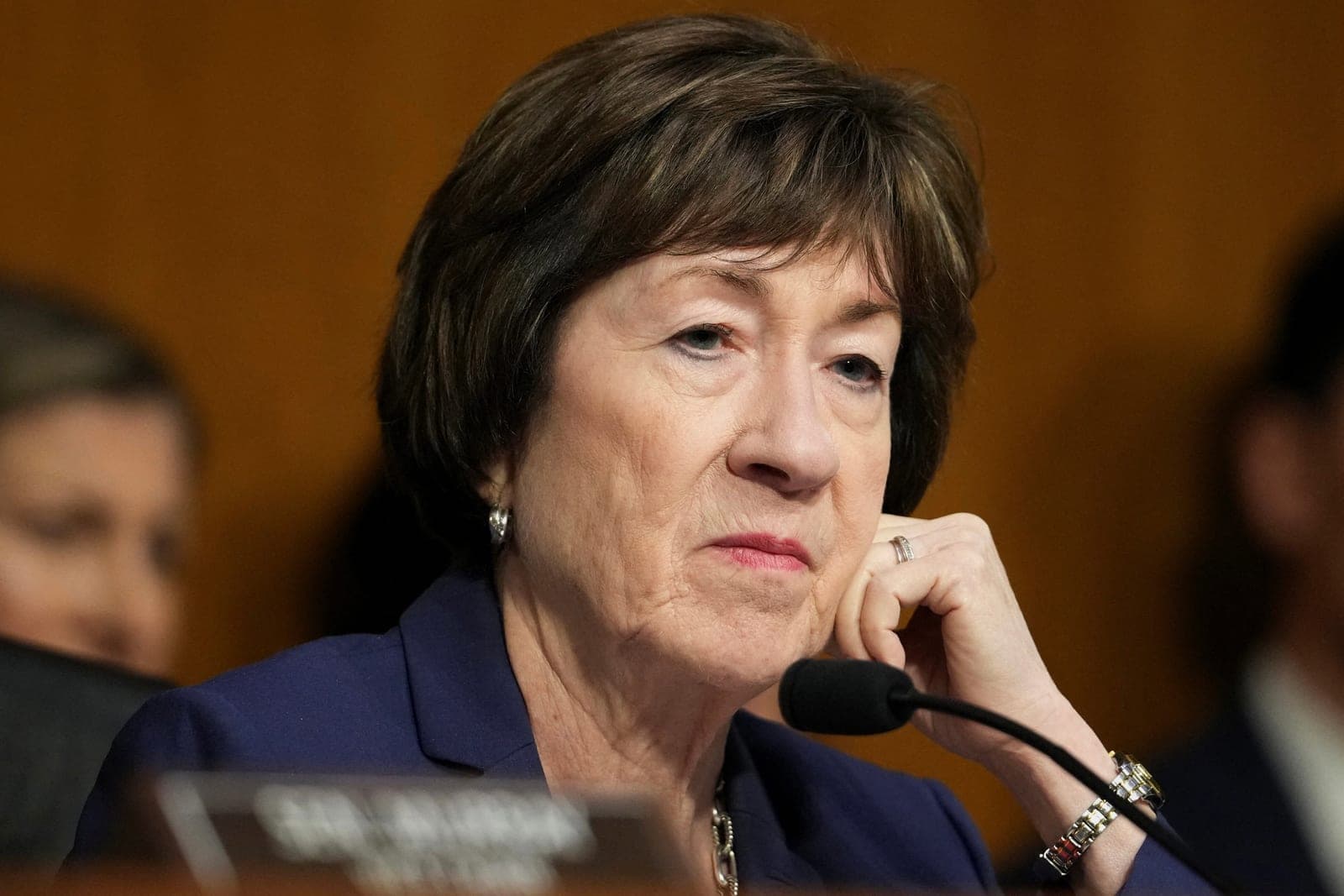
Susan Collins’s vote to confirm Brett Kavanaugh is a central issue in her first Senate reelection campaign since Roe v. Wade was overturned. Democrat Troy Jackson is emphasizing abortion rights as he challenges her, though the article reports that the issue ranks behind other concerns for many Maine voters.
Collins’s 2018 vote to confirm Kavanaugh is drawing criticism from some Maine voters and features in Democratic campaign ads. Collins says she does not regret the vote; the article also notes her self-description as a pro-choice Republican and her past support for abortion protections. Polling cited in the report suggests abortion may not be a leading issue for Maine voters, with broader economic concerns also weighing on them.
Jackson, the Democratic nominee, is campaigning on abortion access and has endorsements from abortion-rights groups. The article also describes challenges for his campaign, including his past opposition to abortion rights and same-sex marriage, which he says he has since reconsidered. Collins’s supporters point to her record, while Jackson’s supporters argue her Kavanaugh vote undermines her position on abortion.
Community verdict
9 VOTES
People in this story
SWIPE →Democratic Senate candidate challenging Collins and campaigning on abortion access.

Republican incumbent whose Kavanaugh confirmation vote is a central issue in her reelection campaign.
Collins's version of this story ↗
President whose Supreme Court nominee Collins voted to confirm.

Former Democratic Senate nominee who dropped out before Jackson became the party’s nominee.

Maine governor mentioned for enacting legislation related to abortion and gender-affirming care.
Part of a bigger story
9 OUTLETSTroy Jackson is challenging Sen. Susan Collins in Maine’s Senate race and making her vote to confirm Brett Kavanaugh part of the campaign, with Jackson emphasizing abortion rights. Left-leaning outlets frame Collins’s Kavanaugh vote as a test of whether abortion rights can help Jackson electorally, while also noting scrutiny of his past positions. Center outlets describe both campaigns’ positions and voter views, often emphasizing polling that places abortion behind the economy or other concerns.
- ARTICLES
- 11
- OUTLETS
- 9
- AVG CRED
- 81
- Arkansas Democrat-Gazette · Supreme Court abortion vote shadows election for Collins | Arkansas Democrat Gazette
- PBS · Supreme Court vote shadows Maine Sen. Susan Collins in her first race after abortion rights decision
- KOB.com · Supreme Court vote shadows Maine Sen. Susan Collins in her first bid after abortion rights decision
Discussion · 0
Loading comments…