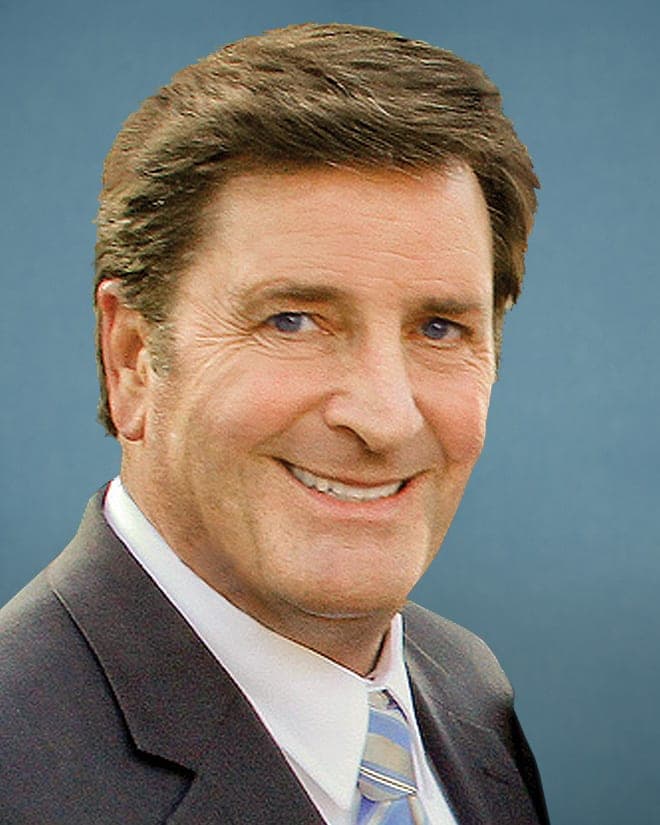
Democrats introduced a joint resolution to block the U.S.-Saudi civilian nuclear agreement, citing risks that its safeguards could leave room for a weapons program. Brad Sherman argues the deal is inadequate; former Energy Department official Daniel Poneman defends its protections and U.S. partnership.
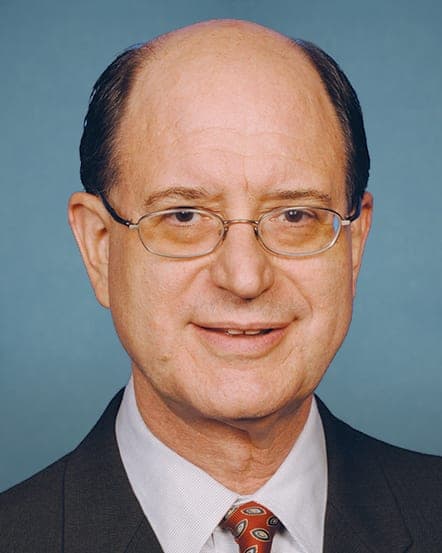
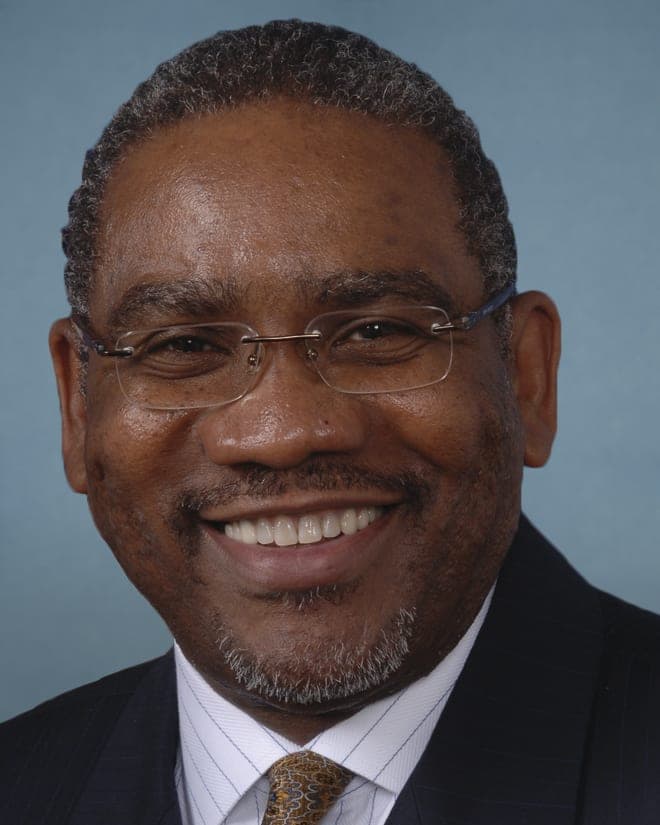
Brad Sherman was among four House Democrats who introduced a resolution seeking to block the U.S.-Saudi nuclear agreement over concerns about its safeguards and proliferation risks.
Center outlets focus on those concerns; PBS also presents an argument that the deal offers strong protections, while other coverage stresses the lawmakers’ objections and related Senate requests for classified side letters.
ALSO MENTIONED Abdulaziz bin Salman, Saudi energy minister who signed the agreement with U.S. Energy Secretary Chris Wright.; Daniel Poneman, Former U.S. deputy secretary of energy who defended the agreement’s safeguards and strategic rationale.; Jared Kushner, Mentioned by Sherman in an allegation about a financial connection related to President Trump.; Mohammed bin Salman, Saudi crown prince whose 2018 remarks about Iran acquiring a nuclear weapon are discussed in the debate over the agreement.; Rafael Grossi, IAEA director-general cited by Poneman regarding the agreement’s safeguards.
ALSO MENTIONED Abdulaziz bin Salman, Saudi energy minister who signed the agreement with U.S. Energy Secretary Chris Wright.; Daniel Poneman, Former U.S. deputy secretary of energy who defended the agreement’s safeguards and strategic rationale.; Jared Kushner, Mentioned by Sherman in an allegation about a financial connection related to President Trump.; Mohammed bin Salman, Saudi crown prince whose 2018 remarks about Iran acquiring a nuclear weapon are discussed in the debate over the agreement.; Rafael Grossi, IAEA director-general cited by Poneman regarding the agreement’s safeguards.
From the source
ChamberLight summarizes and scores PBS's reporting. The full story is on PBS.