Lindsey Graham, Trump ally who opposed LGBTQ+ rights and consistently denied being gay, dies at 71
The article recounts Graham’s death and his record on LGBTQ+ rights, foreign policy and his shift toward Trump.
SOURCE CHECK
TAP FOR WHYCredibility rates Out, which republished this story. The other scores rate the article itself.
Out is an established national publication with an identified author, and the article attributes the death announcement and other claims to named sources. The text provides specific historical detail, though it does not demonstrate a broad range of independent sourcing for every section.
- Source type — An established national magazine with a defined editorial focus.
- Author attribution — The article identifies its author.
- Transparency — It attributes the death statement and includes named sources and organizations.
- Editorial standards — The text distinguishes substantiated facts from unverified claims, but does not show a corrections policy.
The article supplies specific historical details, vote tallies and attributed statements, and it clearly qualifies unsubstantiated claims about Graham’s private life. Its discussion is largely a retrospective account, with limited use of independent sources or competing perspectives.
HOW WE SCORE ↗The article gives extensive detail on Graham’s record and includes his stated positions, while also carefully qualifying rumors about his sexuality. Its policy coverage is weighted toward the effects and criticism of his opposition rather than a fully developed account of arguments on both sides.
- Counterarguments presented — Graham’s stated views and some of his reasoning are included, but opposing policy arguments receive little development.
- Source diversity — The article uses attributed statements and advocacy criticism, with limited independent voices.
- Loaded language — The writing is generally measured, though its framing is explicitly critical of Graham’s LGBTQ+ rights record.
- Omitted context — The retrospective account provides career context but gives limited space to arguments supporting the policies Graham favored.
The article foregrounds Graham’s opposition to LGBTQ+ rights and frames that record critically, while also including context about his career and acknowledging limits in claims about his private life. The focus and framing modestly lean left, without sustained partisan rhetoric.
- Framing — The headline and a substantial section emphasize opposition to LGBTQ+ rights.
- Language tone — The narrative is mostly factual but includes a critical assessment of the consequences of Graham’s record.
- Source selection — The piece cites advocacy criticism but does not present a comparable defense of Graham’s policy record.
Republished
Republished from Advocate.com. The relationship between the two publishers has not been determined.
66 stories · 68–71 · updated Oct 6, 2026
This is Advocate.com's own score, and this article is credited to Advocate.com. The host score in the Source Check is Out's.
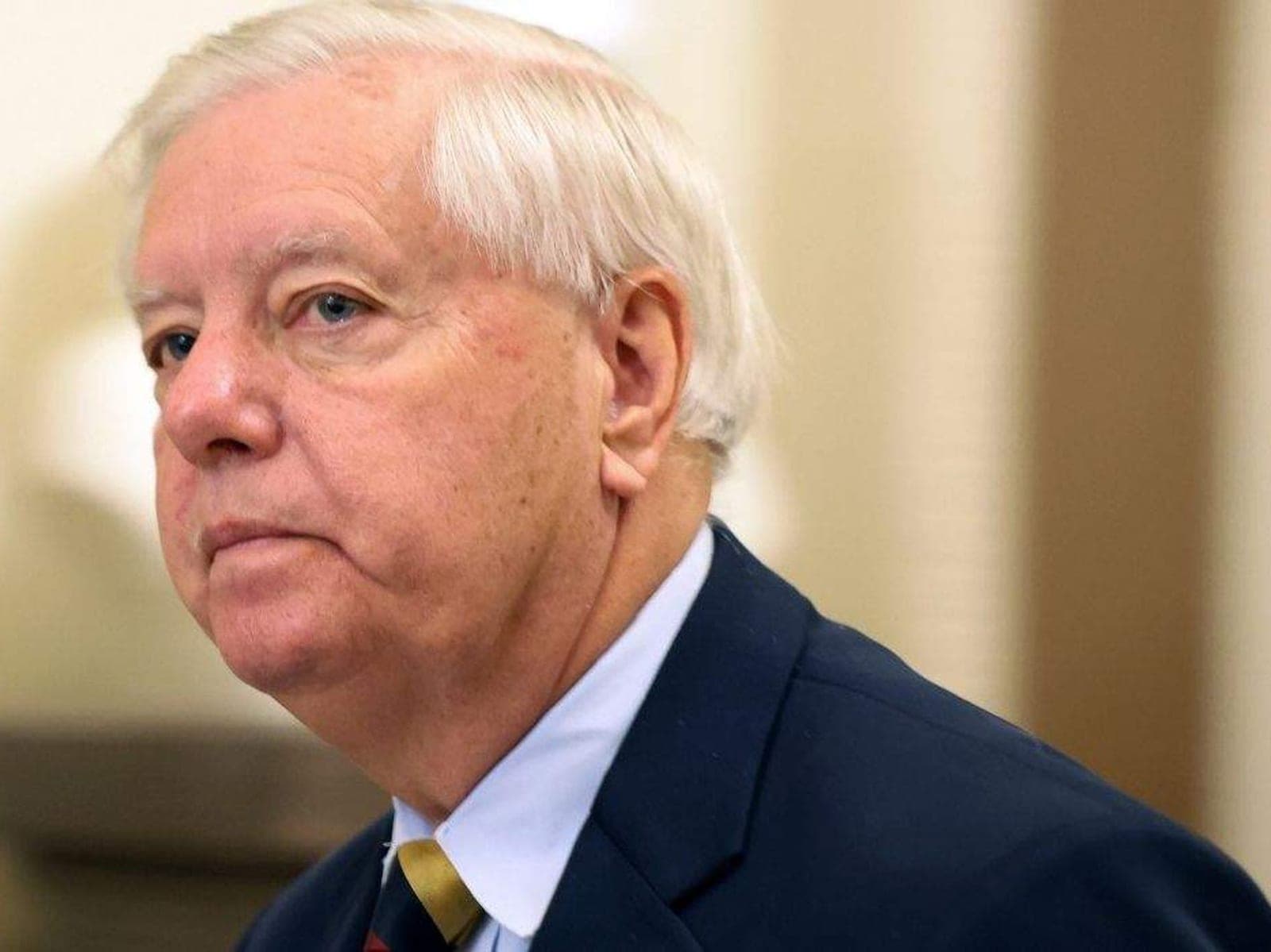
Sen. Lindsey Graham of South Carolina died at 71 after what his office called a brief, sudden illness. The article recounts his opposition to LGBTQ+ rights, his foreign-policy positions and his shift from critic to ally of Donald Trump.
Graham’s office announced his death and did not disclose the nature of his illness. The article says he had met with Ukrainian President Volodymyr Zelenskyy the day before he died and describes his years of advocating strong U.S. support for Ukraine. Trump posted a tribute calling Graham a “true American Patriot.”
The article reviews Graham’s opposition to several LGBTQ+ rights measures, including marriage equality and federal nondiscrimination protections, as well as his support for a constitutional amendment defining marriage as between a man and a woman. It also recounts years of speculation about his sexuality, noting that allegations about him were unsubstantiated and that his sexual orientation was never publicly established. The article traces his Senate career, from his alliance with John McCain to his later role as a prominent Trump ally, and says he was campaigning for another Senate term when he died.
Community verdict
VOTING CLOSED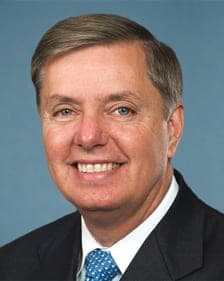
No good or bad look here
This story reports what happened without casting Graham in a good or bad light, so readers don’t rate it and it doesn’t count toward Graham’s record.
People in this story
SWIPE →Senator from South Carolina whose death and political record are the subject of the article
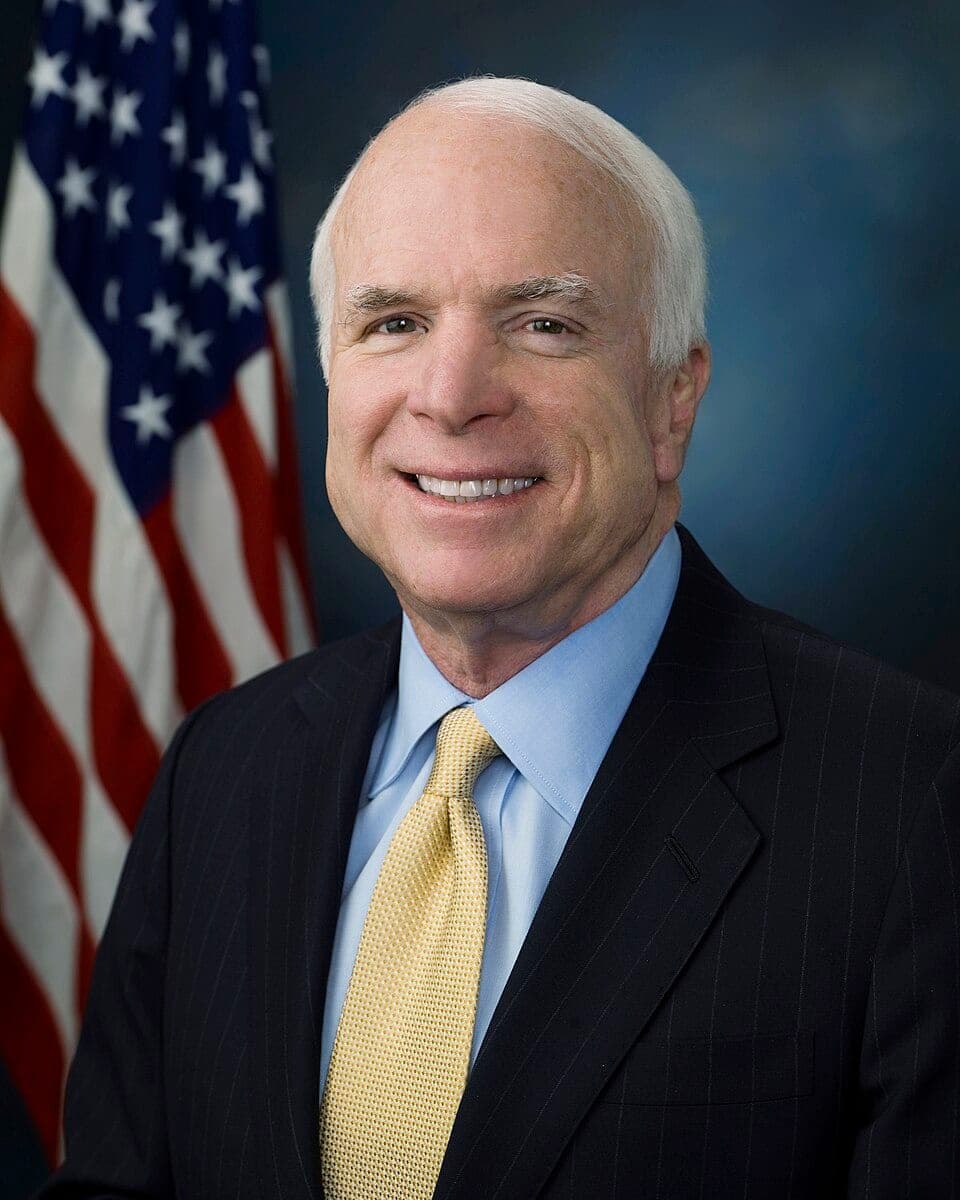
Arizona senator and Graham’s former political ally
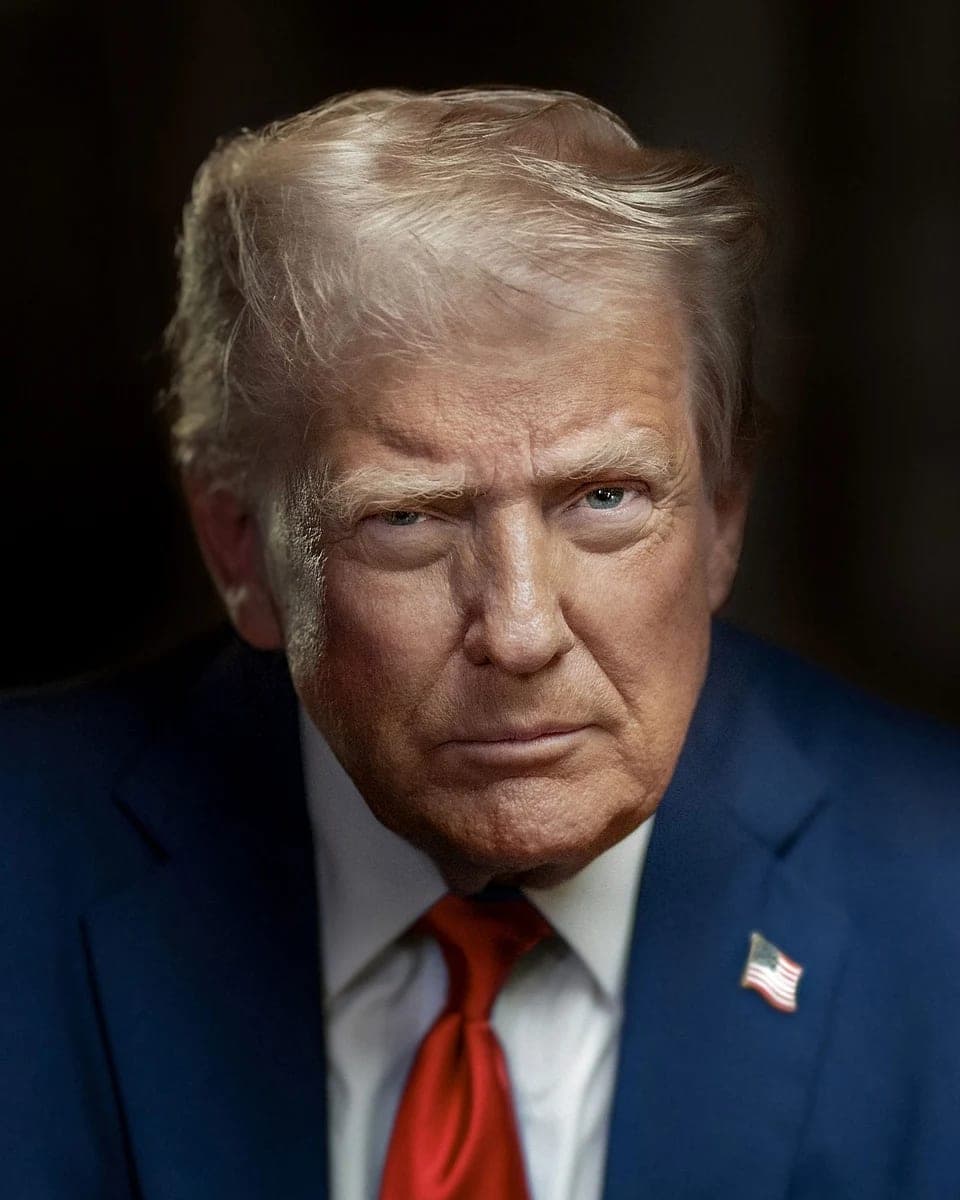
President and Graham’s political ally
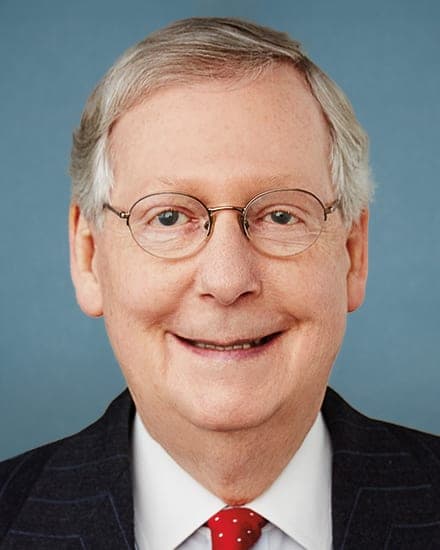
Kentucky senator whose health is mentioned in the opening
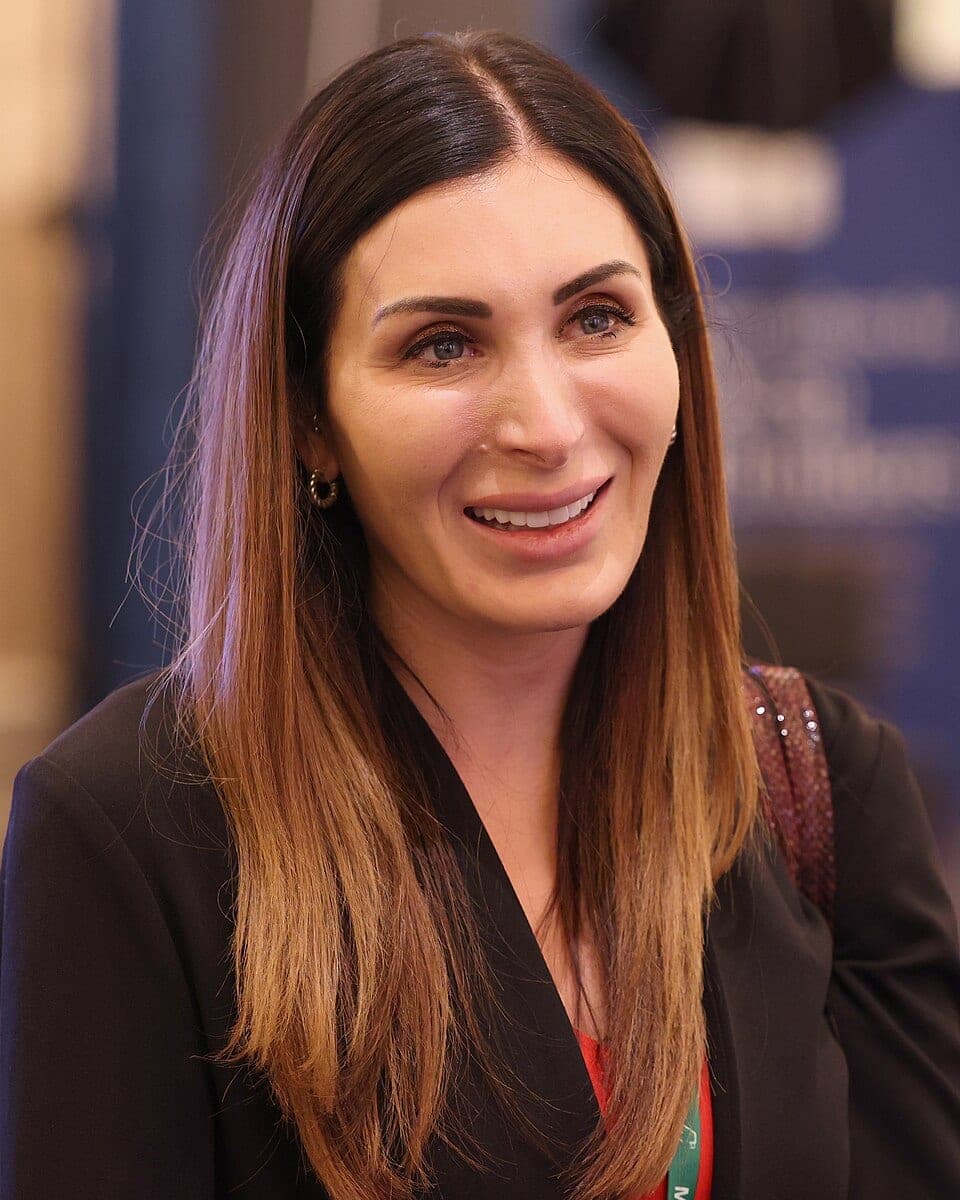
Activist whose deposition testimony repeated a secondhand claim about Graham

Democratic nominee scheduled to face Graham in the November Senate election
Part of a bigger story
43 OUTLETSOutlets agree that South Carolina Senator Lindsey Graham died at age 71 following a sudden illness, leaving a vacancy in the Senate. Left-leaning outlets focus on Graham’s legislative record and highlight speculative theories circulating about his death. Center outlets emphasize the institutional impact on Congress and renewed scrutiny regarding health transparency among aging lawmakers. Right-leaning outlets, including the New York Post, commemorate his public service and defend his legacy against political criticism.
- ARTICLES
- 48
- OUTLETS
- 43
- AVG CRED
- 67
- townhall.com · Was This Discussion About What Caused Lindsey Graham's Death Necessary?
- Pilotonline · Column: Lindsey Graham's death deprives the GOP of its whisperer-in-chief – The Virginian-Pilot
- Jefferson City News Tribune · COMMENTARY: Lindsey Graham's death deprives the GOP of its whisperer-in-chief

Discussion · 0
Loading comments…