First Watch: Stuff You Should Know
Armstrong disclosed hundreds of stock trades more than two months after the federal disclosure deadline.

SOURCE CHECK
TAP FOR WHYOklahoma Watch is an established nonprofit newsroom focused on investigative and accountability reporting. This newsletter item attributes its central reporting to NOTUS and includes a response from Armstrong’s spokesperson, though the author is not identified.
- Track record — Oklahoma Watch is an established nonprofit investigative newsroom with a public-accountability focus.
- Source type — The publisher is a regional nonprofit news outlet; the source type is unclassified.
- Author attribution — The newsletter author is unknown, but it names the NOTUS reporter behind the cited review.
- Source diversity — The item attributes the reporting to NOTUS and includes a response from Armstrong’s spokesperson.
The item gives specific trade totals and timing, attributes its central findings to a named reporter’s NOTUS review, and includes the senator’s spokesperson’s explanation. It leaves important questions about the late disclosure unanswered and offers limited independent context.
HOW WE SCORE ↗The item presents the reported disclosure findings and the spokesperson’s explanation, but questions about the late filing remain unanswered and no further independent perspective is included.
- Counterarguments presented — The spokesperson said the trades were managed by a third-party adviser and that there was no conflict of interest.
- Source diversity — The central findings come from a NOTUS review; the item includes a response but few other perspectives.
- Omitted context — The item says questions about a possible fine and Senate Ethics Committee contact went unanswered.
- Loaded language — The language is mostly factual, though describing a long list of violators underscores an accountability frame.
The item reports the disclosure, the spokesperson’s explanation, and the House bill in largely factual language. Its accountability framing does not clearly align with either political side.
- Language tone — The wording is mostly descriptive and attributes the key findings to a review.
- Source selection — The item cites NOTUS and includes a response from the senator’s spokesperson.
- Framing — The focus is on disclosure compliance and congressional stock-trading rules rather than a partisan argument.
Oklahoma Sen. Alan Armstrong disclosed more than 700 stock trades worth millions after the federal disclosure deadline, according to a review by NOTUS. The disclosure came as the House passed a bill that would bar members of Congress from buying individual stocks.
A NOTUS review by Dave Levinthal reported that Armstrong disclosed more than 700 personal stock trades, valued between $3.24 million and $16 million, more than two months after the federal STOCK Act’s 45-day deadline. The article says Armstrong made numerous purchases and sales after entering the Senate. His spokesperson said a third-party adviser executed the trades as part of a direct-indexing strategy and said there was no conflict of interest; she did not answer questions about the late filing, a possible fine or contact with the Senate Ethics Committee.
The House passed the Stop Insider Trading Act by a 232-198 vote; the bill would ban members of Congress from purchasing individual stocks, and its prospects in the Senate were described as uncertain. The article also says Armstrong is barred by Oklahoma law from seeking a full Senate term and is slated to leave office in January. It notes that Markwayne Mullin and Rep. Kevin Hern were also cited among recent STOCK Act violators, while Hern’s office disputed that characterization.
Community verdict
17 VOTES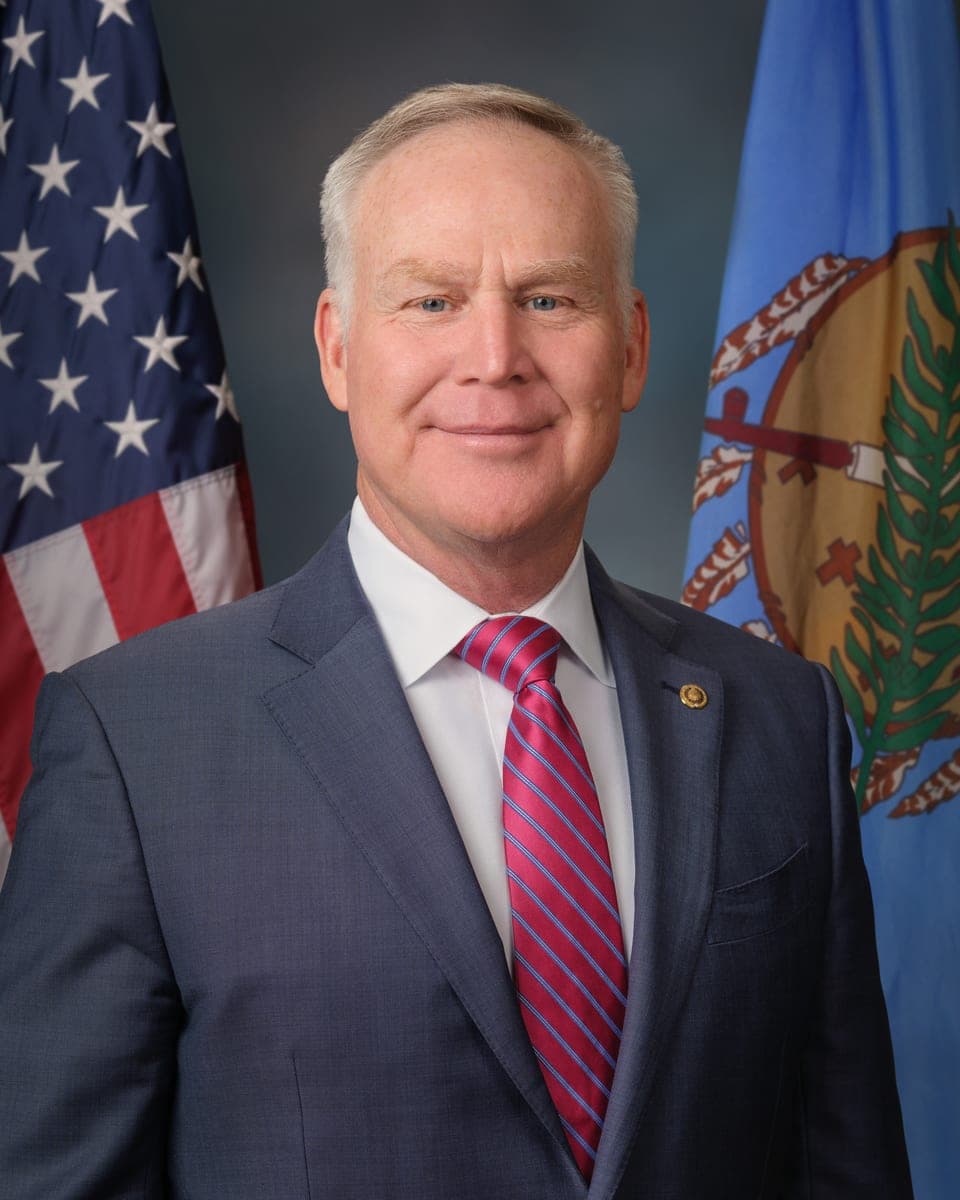
People in this story
SWIPE →Oklahoma senator whose stock trades were disclosed after the reporting deadline
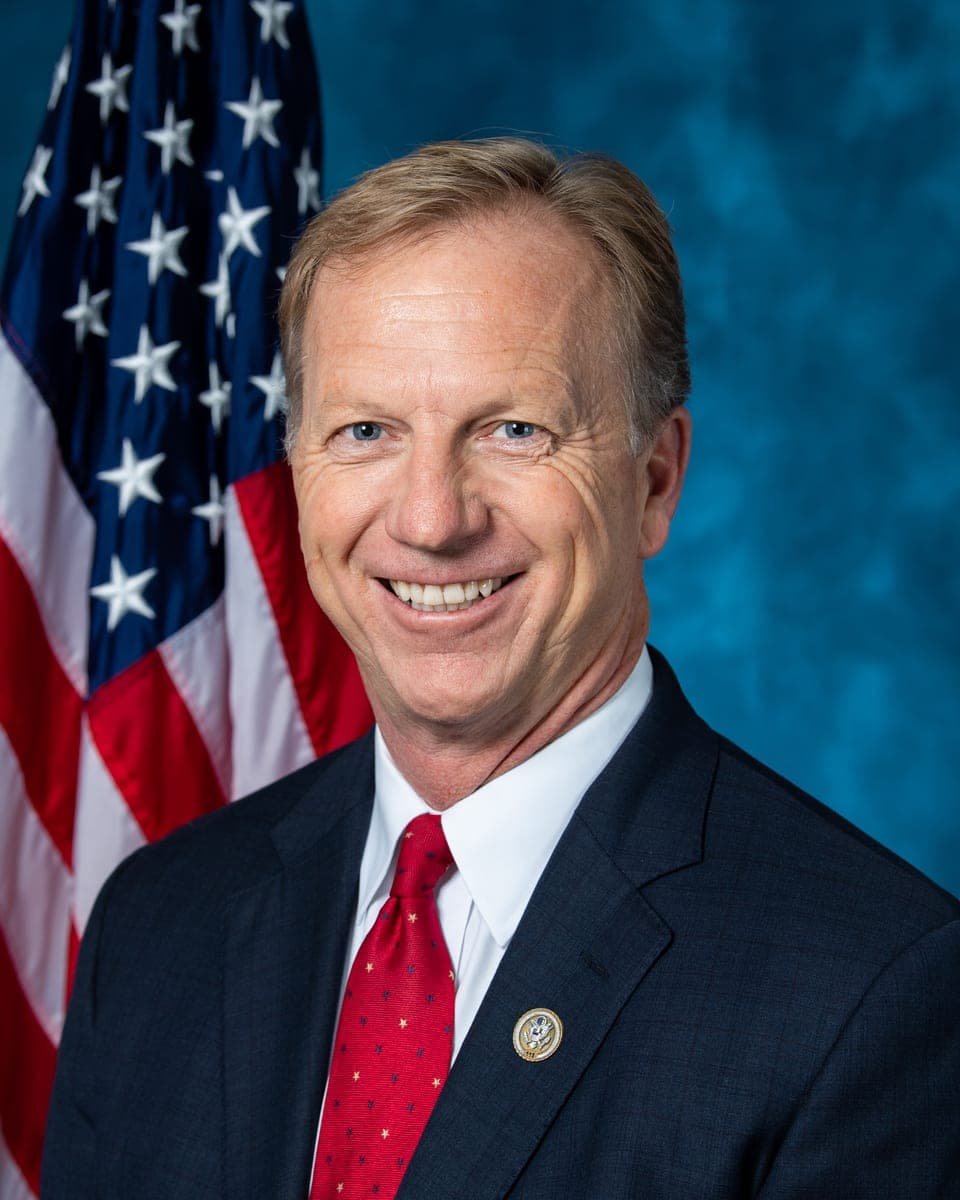
Oklahoma representative mentioned among alleged STOCK Act violators

Armstrong’s predecessor in the Senate
Part of a bigger story
3 OUTLETSOutlets report that Sen. Alan Armstrong disclosed about 700 stock trades after the STOCK Act deadline, based on a review of financial records. They also note the filings came as the House passed a bill to bar lawmakers from buying individual stocks. Center outlets emphasize whether Armstrong met the STOCK Act’s filing deadline, alongside the House proposal to bar lawmakers from buying individual stocks.
- ARTICLES
- 4
- OUTLETS
- 3
- AVG CRED
- 75
Discussion · 0
Loading comments…