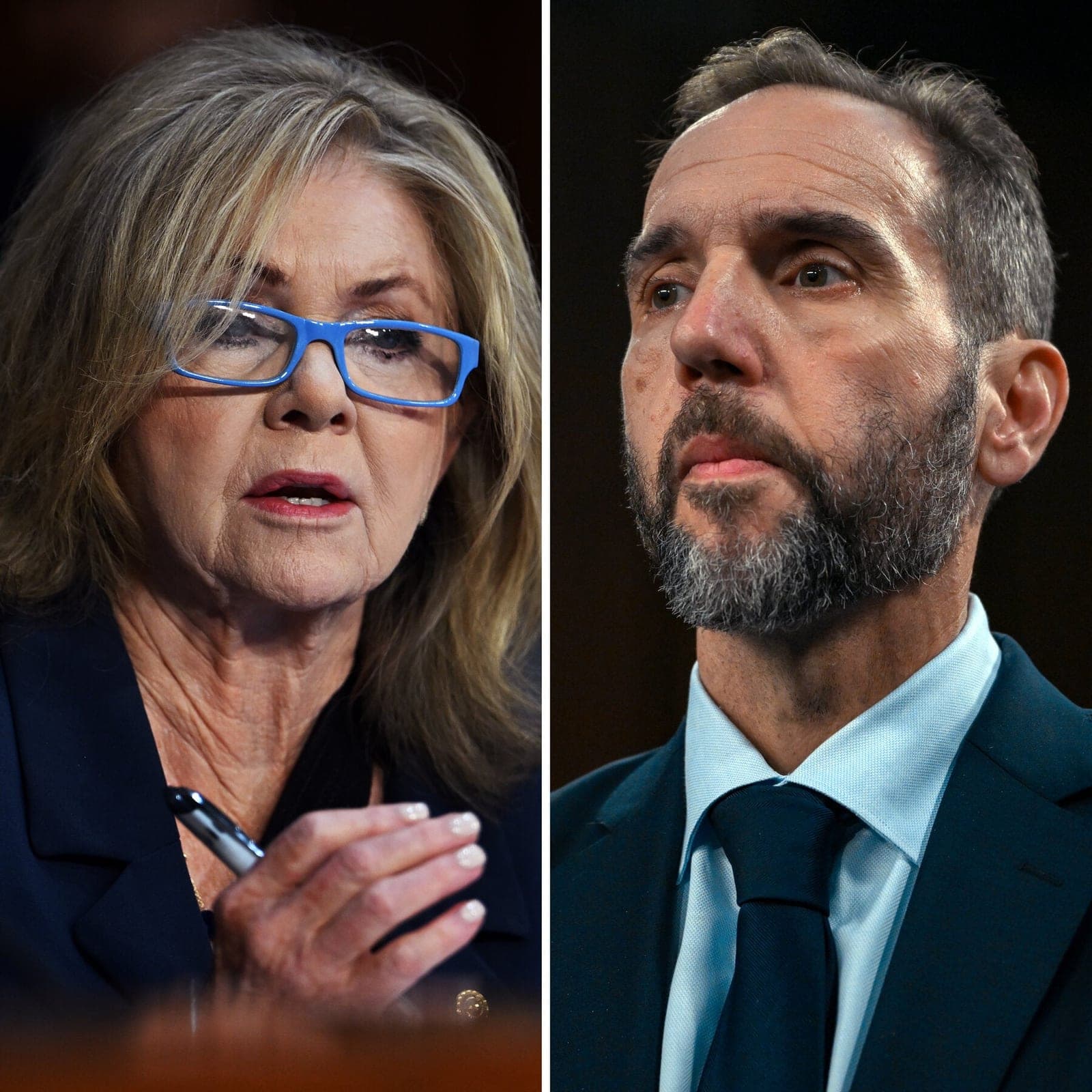
Senator Marsha Blackburn Sues Over Jack Smith’s Subpoena During Trump Inquiry
Blackburn sued over the collection of her phone records during the investigation into Donald Trump.
SOURCE CHECK
TAP FOR WHYThe New York Times is an established national newsroom with extensive original reporting, named bylines, and formal editorial and correction practices. The article is attributed to a reporter and includes both Blackburn’s allegations and Smith’s response.
- Track record — Established national newspaper with a long record of original reporting.
- Editorial standards — A major newsroom with formal editorial oversight and published standards.
- Author attribution — The article identifies Charlie Savage as its author.
- Correction history — The outlet maintains a corrections process.
The article explains the legal question with relevant procedural context and attributes the competing claims to Blackburn’s lawyers and Smith. It notes the limits of existing court rulings and the later policy change, though it does not include an independent legal expert’s assessment.
HOW WE SCORE ↗The article presents Blackburn’s claims and Smith’s explanation, while also supplying legal context and describing what remains unsettled. It does not include an outside legal expert or a response from the Justice Department.
- Counterarguments presented — Smith’s account of why investigators sought the records is included alongside Blackburn’s allegations.
- Source diversity — Includes statements from both sides, though not an independent expert or Justice Department response.
- Omitted context — Explains relevant court disagreements and the policy change, but offers no outside legal analysis.
- Loaded language — A small amount of evaluative language is present but does not dominate the report.
The report uses largely neutral language and describes both Blackburn’s allegations and Smith’s defense. Its reference to political grievances and bluster adds some characterization but does not create a clear partisan lean.
- Language tone — Mostly restrained reporting, with limited evaluative phrasing about the complaint.
- Source selection — Includes arguments from Blackburn’s lawyers and Smith’s testimony.
- Framing — Presents the lawsuit as both politically salient and a serious, unresolved constitutional question.
Senator Marsha Blackburn sued former special counsel Jack Smith and the Justice Department over subpoenas for her phone records, arguing they violated the Constitution. The case could test whether the speech or debate clause limits subpoenas for lawmakers’ call data.
Blackburn’s lawsuit seeks a declaration that Smith conspired to violate her rights, symbolic damages, and an order requiring the Justice Department to destroy her records. Smith’s subpoenas sought call logs, not call contents, during his investigation into Donald Trump’s effort to overturn the 2020 election.
Blackburn’s lawyers argue the subpoenas violated the speech or debate clause. Smith testified to the Senate Judiciary Committee that lawmakers were not investigation targets and that the records were sought as corroborating evidence. The article reports that no court has held that the clause bars subpoenas to phone companies, and that the Justice Department later changed its policy on notifying judges when such requests involved lawmakers.
Community verdict
24 VOTES
People in this story
SWIPE →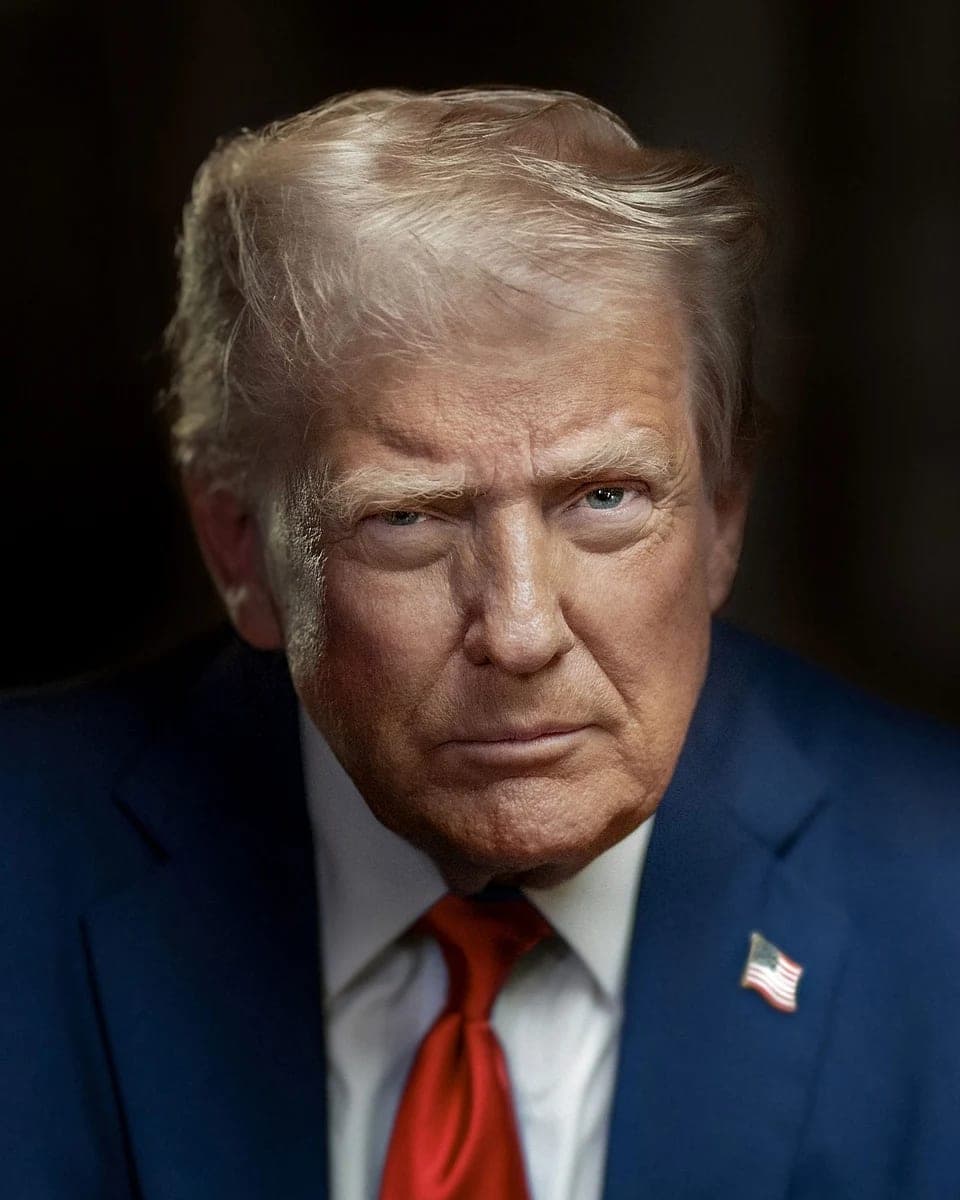
Subject of the investigation during which the subpoenas were issued
Part of a bigger story
11 OUTLETSMarsha Blackburn sued former special counsel Jack Smith over his team’s collection of her phone records, alleging it was unlawful. Left-leaning outlets stress doubts about the lawsuit’s legal strength, with some linking it to a partisan dispute. Center outlets focus on lawmakers’ protections and the legal questions surrounding records subpoenas, including Smith’s explanation. Right-leaning outlets foreground Blackburn’s allegations that Smith unlawfully obtained her records and her challenge to his authority.
- ARTICLES
- 11
- OUTLETS
- 11
- AVG CRED
- 70
Discussion · 0
Loading comments…