Ken Paxton, G.O.P. Nominee in Texas, Privately Said Trump’s Convention Hurt Him
Paxton privately said the convention hurt his numbers, while his campaign disputed the account.
SOURCE CHECK
TAP FOR WHYThe New York Times is an established national newspaper with substantial original-reporting capacity and editorial standards. The article identifies its reporter and describes the recording and corroboration, while also including Paxton’s campaign response.
- Source type — Established national newspaper with a strong record of original reporting.
- Editorial standards — The report attributes claims and includes a response from Paxton’s adviser.
- Author attribution — A named reporter is credited.
- Transparency — The article explains how the recording was obtained and what corroboration was available.
The article presents an audio recording, describes corroboration from people familiar with the event, and includes responses from Paxton’s adviser and Trump. The source who supplied the recording is anonymous and opposed to Paxton’s campaign, though the article discloses that potential bias and notes that the recording is sometimes muffled.
HOW WE SCORE ↗The article describes the basis for the recording, includes the campaign’s denial and polling claim, and reports Trump’s opposing view. The source who supplied the recording had an disclosed political interest, and the story notes that the convention’s effect on polling is unclear.
- Counterarguments presented — Paxton’s adviser disputes the report, and Trump says the convention helped Paxton.
- Source diversity — The story uses a recording, multiple people with knowledge of the event, and campaign and presidential responses.
- Omitted context — The article acknowledges uncertainty about the convention’s effect on public surveys.
- Loaded language — The article’s framing is largely measured and claims are attributed.
The report uses attributed claims and includes competing assessments of whether the convention helped Paxton. Its language is largely descriptive rather than ideologically framed.
- Language tone — Mostly neutral wording and attributed quotations.
- Source selection — Includes the recording, corroborating accounts, Paxton’s adviser, and Trump.
- Framing — Centers on Paxton’s private remarks and puts their political significance in context.
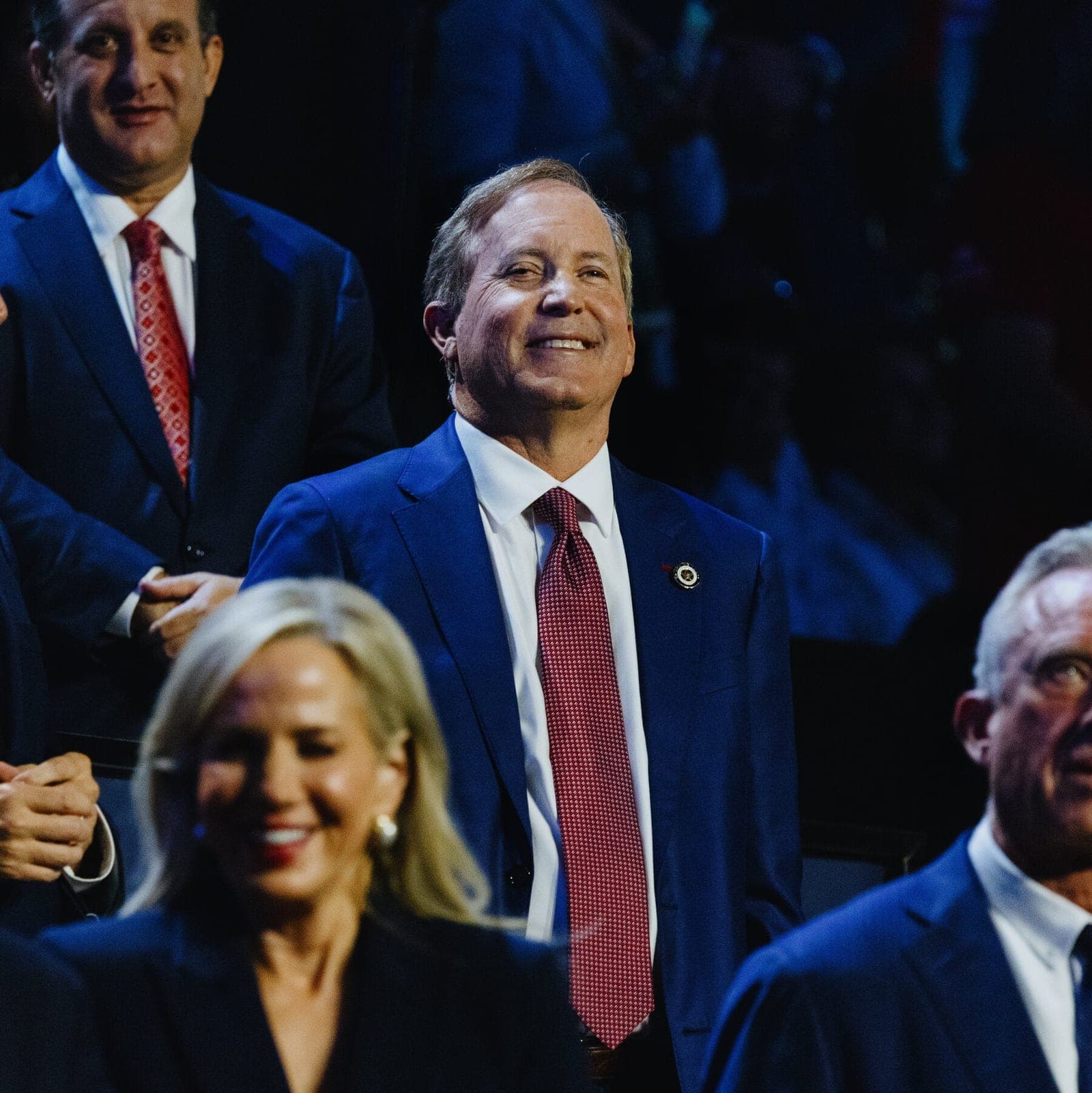
Ken Paxton privately told donors that Donald Trump’s midterm convention had hurt his numbers, according to a recording obtained by The New York Times. Paxton’s adviser disputed the account, and Trump later said the convention had helped Paxton.
A recording obtained by The New York Times captures Ken Paxton telling donors and lobbyists that the convention had caused his numbers to drop. The Times said an attendee who opposes Paxton’s campaign provided the recording; three other people confirmed Paxton attended, and two recalled the question posed to him. Paxton adviser Nick Maddux called the report “manipulated nonsense” and said a recent campaign poll showed Paxton leading.
Community verdict
20 VOTES
People in this story
SWIPE →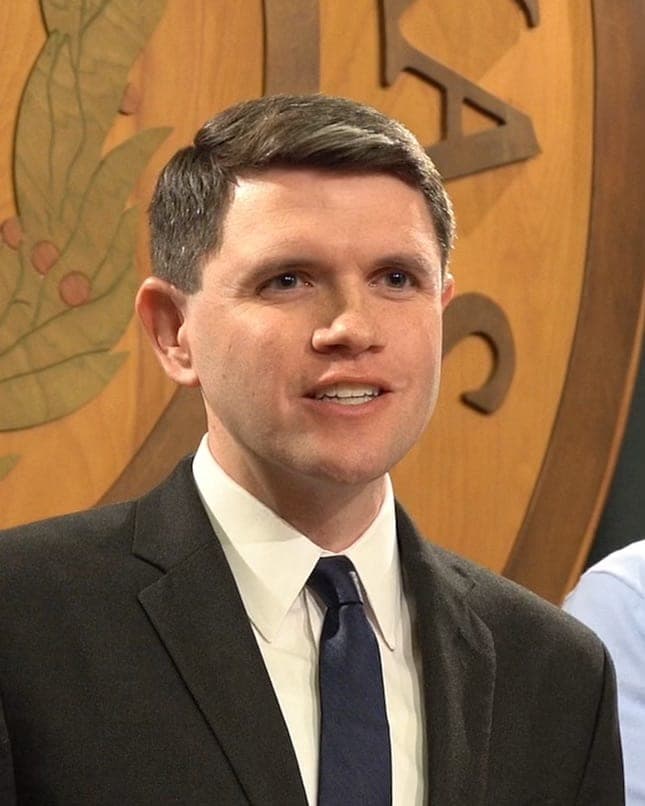
Democratic Senate rival
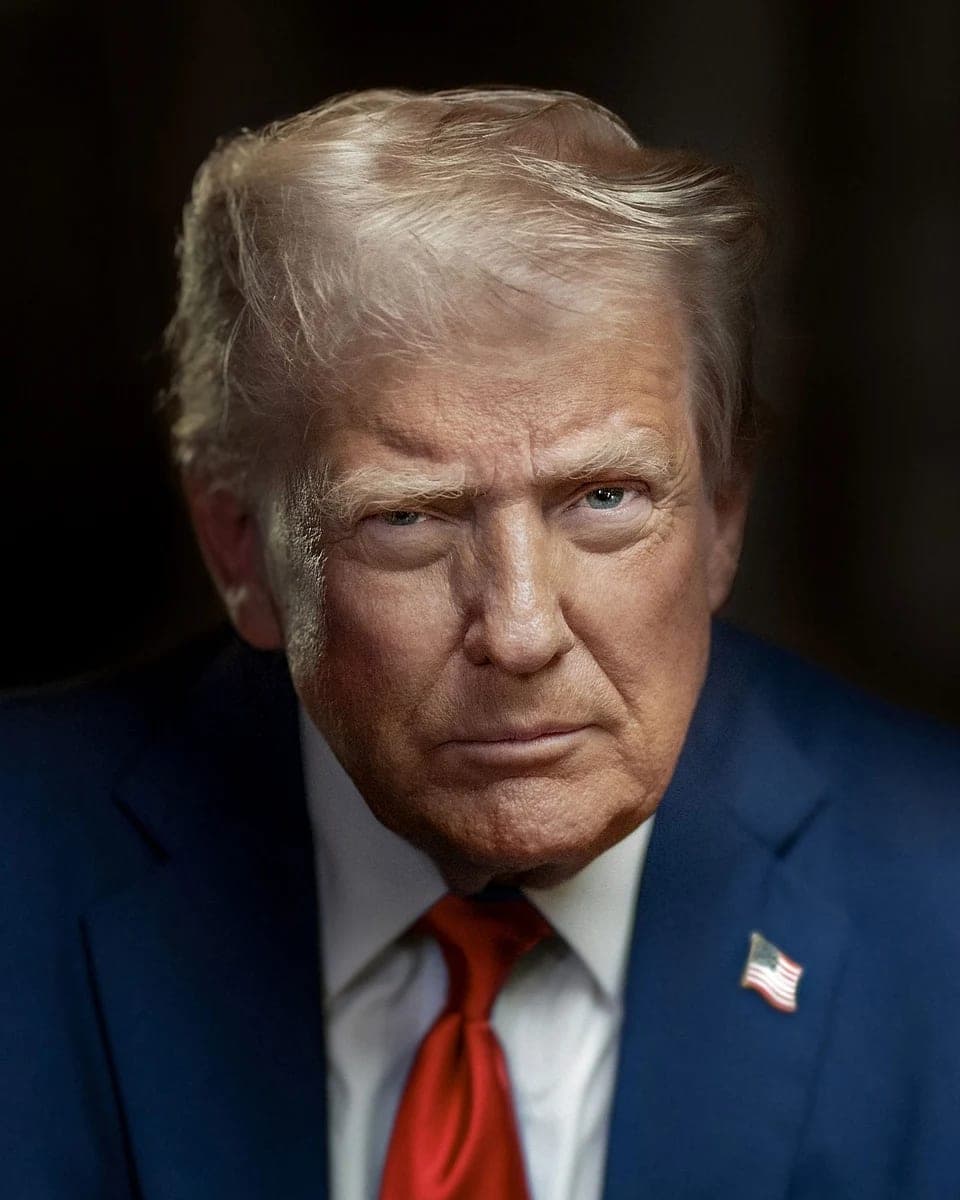
President who hosted the convention and said it helped Paxton
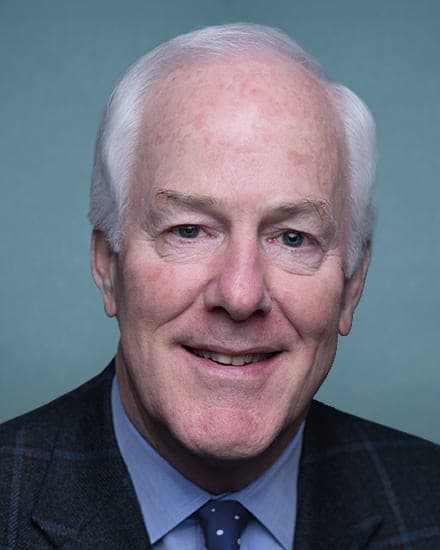
Texas senator whom Paxton defeated in the Republican primary
Part of a bigger story
10 OUTLETSCoverage reports that Paxton privately told donors the GOP’s Texas midterm convention hurt campaign or Republican numbers, based on a reported recording. His campaign adviser disputed the account or its significance. Left-leaning outlets frame the remarks as a possible setback for Paxton in a competitive Senate race, while noting his campaign’s dispute. Center outlets emphasize the reported recording, competing responses and polling context, with some coverage noting uncertainty about its impact or verification. Right-leaning outlets give more weight to pushback, including claims the convention boosted enthusiasm or that Paxton was leading, while also reporting his remarks.
- ARTICLES
- 11
- OUTLETS
- 10
- AVG CRED
- 77
Discussion · 0
Loading comments…