House approves bill to speed up union contract negotiations
Norcross sponsored the bill and used a procedural petition to bring it to the House floor.

SOURCE CHECK
TAP FOR WHYNPR is an established national newsroom with professional reporting and editorial standards. The story is attributed to a named reporter and includes an opposing business perspective.
- Track record — NPR is an established national news organization with a substantial record of original reporting.
- Editorial standards — The article presents sourced reporting and identifies the reporter and quoted sources.
- Author attribution — Andrea Hsu is identified as the reporter.
- Source type — The publisher is classified as national news.
The report explains the bill's proposed process, gives a statistic attributed to Bloomberg Law, and includes a business-side objection alongside the sponsor's support. It offers limited detail about the House vote and the views of workers or other supporters.
HOW WE SCORE ↗The story explains the bill's labor rationale and includes a business-side concern about government-imposed deadlines. It does not include a worker's perspective or more extensive arguments from either side.
- Counterarguments presented — A business association representative argues that the deadlines could undermine careful negotiations.
- Source diversity — The report includes the sponsor's position and a business-side voice, but no worker or union representative.
- Loaded language — The article's language is mostly descriptive, though the headline characterizes the bill as labor-friendly.
- Omitted context — The article provides limited detail on the arguments of supporters beyond the sponsor's statement.
The report uses largely neutral language, attributes the bill's rationale and criticism to sources, and describes the House action without an editorial verdict.
- Language tone — The reporting is descriptive and avoids strongly evaluative language.
- Source selection — It quotes the bill's sponsor and a representative of a business association.
- Framing — The story explains both the bill's intended effect and concerns about its deadlines.
The House approved the Faster Labor Contracts Act, which would set deadlines for first contracts at newly unionized workplaces and allow federal mediation and arbitration if negotiations stall. The bill now goes to the Senate, where it needs 60 votes to pass. [Not allowed]
The House approved the Faster Labor Contracts Act, sponsored by New Jersey Democrat Donald Norcross. The bill would require employers to begin negotiations within 10 days of a union election; if no agreement is reached within 90 days, either side could seek federal mediation, followed by arbitration after another 30 days. [Not allowed]
NPR reports that 20 Republicans joined Democrats in approving the bill. Gregory Hoff, a representative of a business association, said strict deadlines could make it harder to get complex contracts right. The bill now moves to the Senate, where NPR says it has support from three Republicans so far and needs 60 votes to pass. [Not allowed]
Community verdict
25 VOTES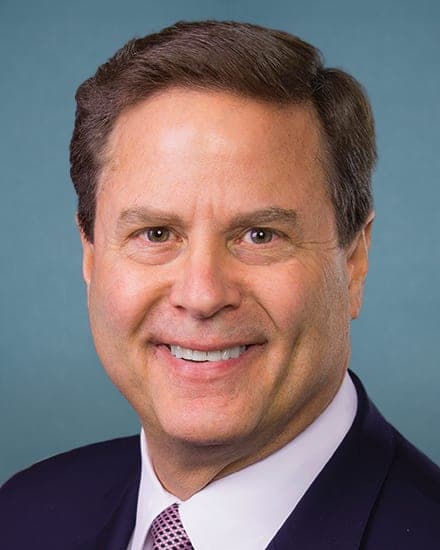
People in this story
Part of a bigger story
2 OUTLETS- ARTICLES
- 2
- OUTLETS
- 2
- AVG CRED
- 92
Discussion · 0
Loading comments…