In Florida, Wasserman Schultz sparks a debate over what representation means in diverse districts
Manley says Wasserman Schultz could have chosen another district and argues that Black representation is at stake.
SOURCE CHECK
TAP FOR WHYCredibility rates Newsday, where this article appeared. The other scores rate the article itself.
Newsday is an established local news organization, and the article is credited to the Associated Press, a major wire service with established reporting standards. The page identifies the reporting source, though it does not provide specific correction or editorial-policy details.
- Source type — Newsday is recorded as a local news publisher; the reporting is credited to the Associated Press.
- Author attribution — The article identifies The Associated Press as its author.
- Transparency — The story includes an AP dateline and identifies interview subjects and the source of its analysis.
- Editorial standards — The AP attribution supports confidence in professional reporting practices, but the page itself gives limited detail about standards or corrections.
The article draws on multiple named candidates and local voices, provides demographic and redistricting context, and presents Wasserman Schultz’s response alongside criticism of her candidacy. It offers substantial reporting, though it relies largely on interviews and an AP analysis rather than a broad range of independent experts.
HOW WE SCORE ↗The article gives Wasserman Schultz room to explain her candidacy and includes criticism from opposing candidates and community voices. The dispute receives more attention than independent assessments of the candidates’ positions or the redistricting process.
- Counterarguments presented — Wasserman Schultz’s case for her candidacy appears alongside critics’ arguments about Black representation.
- Source diversity — The story includes candidates, a community leader, and voters, but few independent policy or election experts.
- Omitted context — It provides district demographics and redistricting background, but little detailed explanation of the map-drawing process.
- Loaded language — Strongly worded descriptions appear mainly in attributed quotations rather than the reporter’s own voice.
The story reports criticisms of Wasserman Schultz’s candidacy alongside her defense and includes several candidates’ perspectives and community views. Its framing is focused on the representation dispute without a discernible partisan lean.
- Source selection — Includes the incumbent, two challengers, a community organization leader, and voters.
- Framing — Frames the race around a substantive dispute over representation and district boundaries rather than endorsing a candidate.
- Language tone — Mostly descriptive language, with critical and defensive claims presented as attributed quotations.
Original publisher not identified
This article credits another publisher, which ChamberLight has not identified, so the scores are Newsday's own.
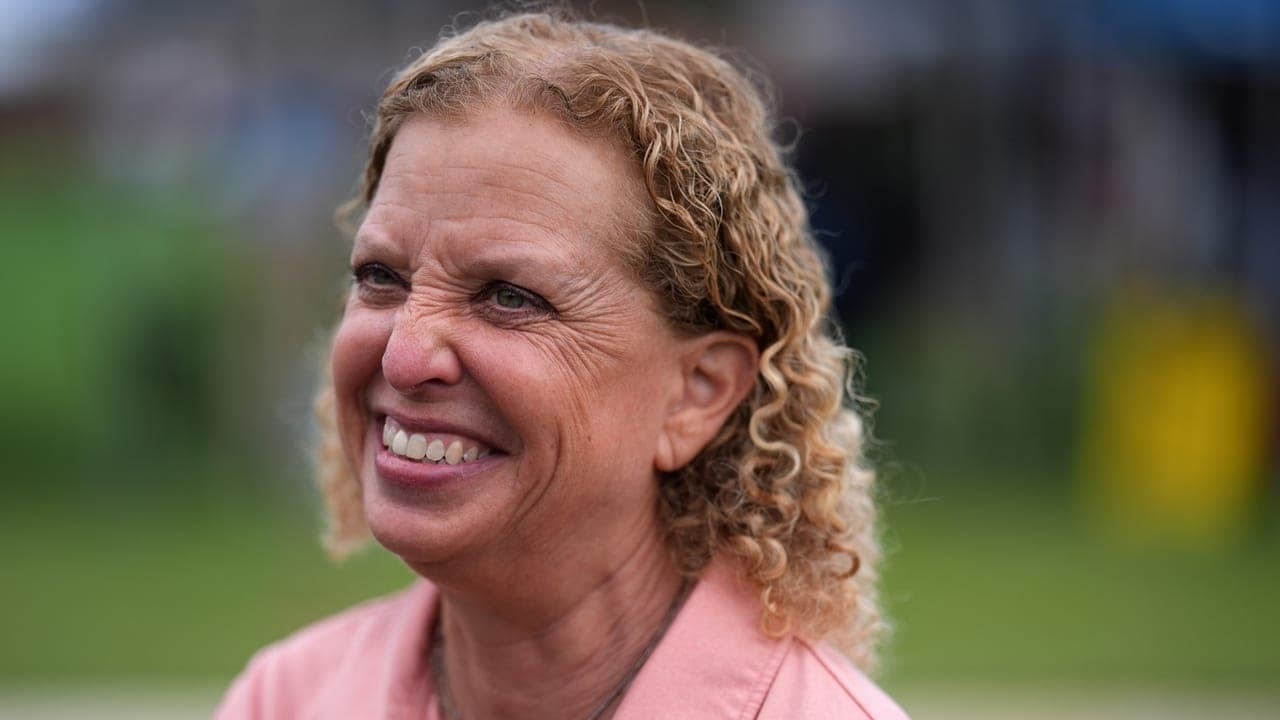
Rep. Debbie Wasserman Schultz is seeking reelection in a newly drawn Broward County district, where her candidacy has sparked debate over Black representation and who can best represent the area. Former Rep. Sheila Cherfilus-McCormick and candidate Elijah Manley criticize her decision, while Wasserman Schultz says her experience equips her to represent the district.
Rep. Debbie Wasserman Schultz is seeking a 12th term in a new district after Florida Republicans redrew the congressional map. She is the only white candidate among five Democrats in the district, which is 42% Black, and the race has prompted debate about Black representation and the meaning of representation in a diverse district.
Former Rep. Sheila Cherfilus-McCormick, who resigned from the seat while facing an ethics investigation and now seeks it again, said Wasserman Schultz’s candidacy erases the area’s history of Black political access. Candidate Elijah Manley said Wasserman Schultz had other options, while also saying the redistricting was not her fault. Wasserman Schultz argued that her experience serving diverse communities, work on programs affecting Black communities, and ability to connect across cultures equip her to represent the district.
Community verdict
8 VOTESPeople in this story
SWIPE →Democratic candidate challenging Wasserman Schultz in the district
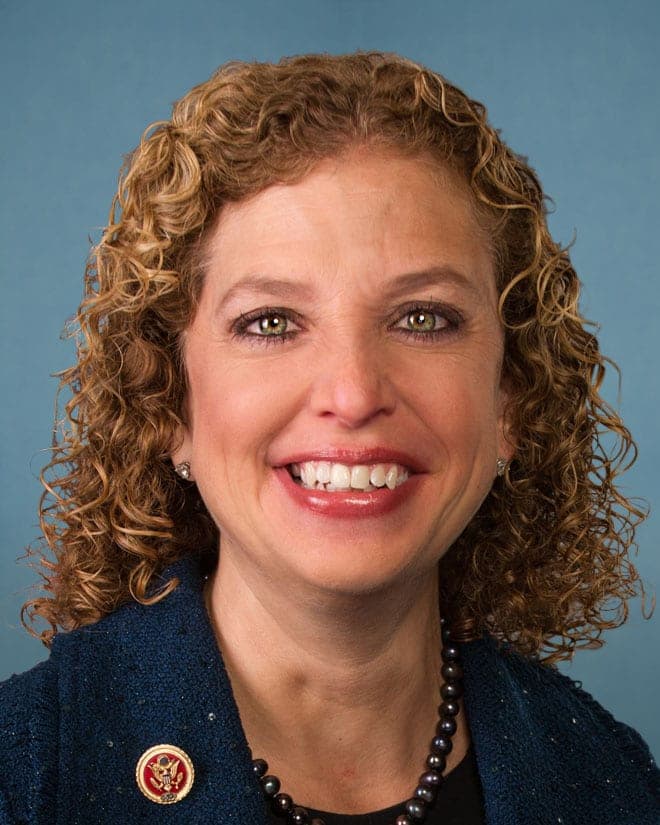
Representative and candidate for reelection in a newly drawn Broward County district
Wasserman Schultz's version of this story ↗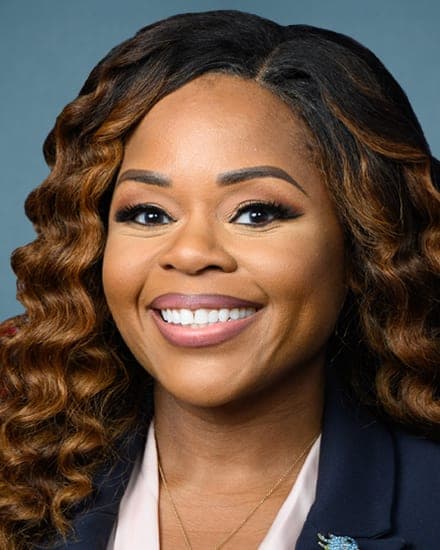
Former representative and candidate seeking to regain the seat
Cherfilus-McCormick's version of this story ↗
President whose redistricting push is cited as part of the background to Florida’s map changes
Candidate in the district’s congressional race
Florida governor who pursued a congressional redistricting effort
Democratic candidate in the district’s congressional race
Part of a bigger story
6 OUTLETSWasserman Schultz is seeking reelection in Florida, and Manley is among the candidates challenging her. Her run has prompted debate over Black representation and who can best represent the district. Left-leaning outlets connect the race to representation and redistricting; Daily Kos notes Manley did not blame Wasserman Schultz for the redistricting itself. Center outlets similarly focus on who can represent the district’s diverse communities and include the incumbent’s response. Right-leaning outlets also cover race-related claims, but range from Manley’s charge against Wasserman Schultz to criticism of Manley’s own remarks and views.
- ARTICLES
- 6
- OUTLETS
- 6
- AVG CRED
- 64
- twitchy.com · Black Socialist Elijah Manley Seeks Primary Win Over Debbie Wasserman Schultz Because She's White
- New York Post · Socialist congressional candidate slams white Dem primary opponent for running in a majority-black area
- Daily Kos · In Florida, Wasserman Schultz sparks debate over what representation means in diverse districts
Discussion · 0
Loading comments…