House Rule Advances 2027 NDAA With Section to Integrate US and Israeli Militaries
Massie’s amendment to remove the integration provision was denied a vote, and he said he would vote against the NDAA.

SOURCE CHECK
TAP FOR WHYAntiwar.com is an opinion-oriented publisher, which tempers its institutional credibility. This short report names its editor and includes direct statements from the lawmakers it discusses, but offers limited sourcing and context.
- Source type — The publisher is recorded as opinion-oriented, warranting a lower baseline than a general-interest newsroom.
- Transparency — The article includes attributable quotes from Massie and Khanna but provides little additional sourcing.
- Author attribution — The article identifies Dave DeCamp as its news editor, though the byline is not shown in the article passages.
- Editorial standards — The supplied article offers no information about corrections practices or editorial standards.
The report gives concrete procedural details and quotes Massie and Khanna directly. It provides little context about the provision’s proponents or the reasoning behind the Rules Committee’s decision, leaving the account one-sided.
HOW WE SCORE ↗The article reports procedural facts and directly quotes two lawmakers who oppose the integration provision. It does not present a defense of the provision or the committee’s decision, so one perspective dominates.
- Counterarguments presented — No supporter’s argument or explanation for the committee decision is included.
- Source diversity — The lawmakers quoted share opposition to the provision.
- Omitted context — The consequences and supporters’ reasons for military integration are not explained.
- Loaded language — The report uses limited evaluative language, largely in attributed quotations.
The report is mostly factual, but its framing foregrounds objections to U.S.-Israeli military integration and describes the Iran conflict in terms critical of Trump. It does not include a supporting perspective on the integration provision.
- Source selection — The article quotes Massie and Khanna, both opponents of the provision, without quoting a supporter.
- Language tone — Most language is descriptive, though the presentation emphasizes critics’ objections.
- Framing — The integration provision and the lack of an amendment vote are central to the account.
- Omission — The article gives no rationale from the Rules Committee or supporters of the provision.
The House approved a procedural rule to advance its 2027 defense authorization bill, which includes a provision to further integrate U.S. and Israeli militaries. The rule passed 214-211 after the Rules Committee declined to allow a vote on Thomas Massie’s amendment to remove the provision.
The House approved a procedural rule to allow debate and a vote on the NDAA and other legislation. The bill includes a section on further integrating U.S. and Israeli militaries, an idea Israeli Prime Minister Benjamin Netanyahu has said was his. A final vote on the House version was expected Wednesday.
The Rules Committee denied a vote on Thomas Massie’s amendment to strip Section 219. Massie said he would vote against the bill, while Ro Khanna said he would continue trying to remove the provision during House-Senate negotiations. The article also reports that the Senate version includes an integration provision and that Senate Democrats blocked it over President Donald Trump’s war with Iran.
Community verdict
22 VOTES
People in this story
SWIPE →Representative who introduced an amendment to remove the military-integration provision

Representative opposing the military-integration provision
Khanna's version of this story ↗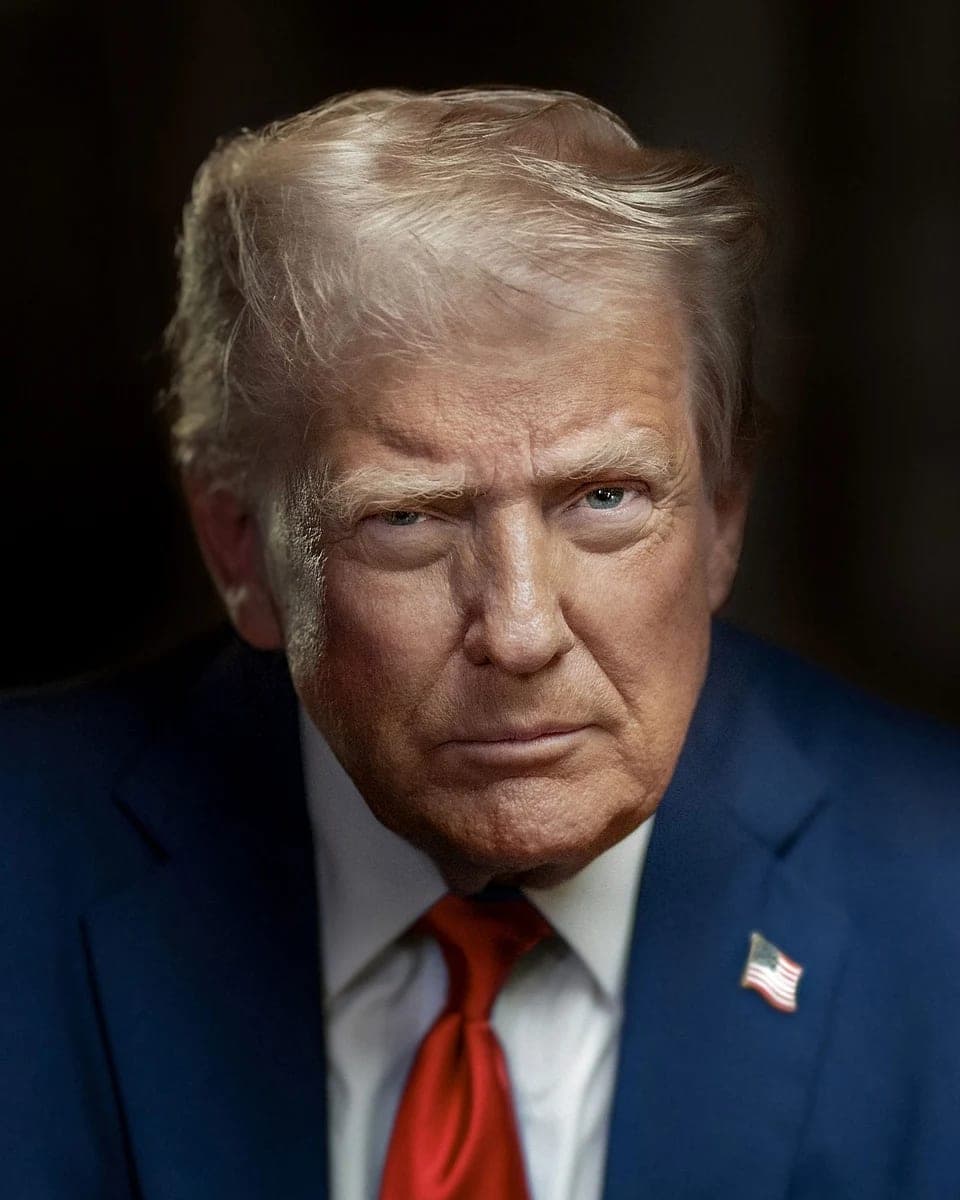
President of the United States; his war with Iran is cited as the reason Senate Democrats blocked the Senate NDAA
Part of a bigger story
2 OUTLETSDiscussion · 0
Loading comments…