The story behind Trump's new DHS secretary pick Markwayne Mullin's unique name
The article explains the origin of Mullin’s first name and recounts his background as he awaits confirmation for a cabinet post.
SOURCE CHECK
TAP FOR WHYThe New York Post is an established national publisher, but its tabloid style and limited sourcing in this short profile reduce confidence in its institutional reliability. The article attributes the name story to a Roll Call interview but offers little original reporting or corroboration.
- Source type — Established national outlet, though with a tabloid-oriented presentation.
- Editorial standards — The article is readable and specific but uses loaded phrasing in describing the personnel change.
- Author attribution — A named reporter is credited.
- Transparency — The central anecdote is attributed to a 2014 Roll Call interview, but the piece provides little sourcing for its other biographical details.
The article gives a specific source for the name anecdote and includes concrete biographical details, but most of the piece is a brief profile without much corroboration, context or competing perspectives.
HOW WE SCORE ↗This short biographical feature is not structured as a debate, but it relies largely on one interview for its central anecdote and offers little independent verification or context.
- Source diversity — The name story is based on one interview, with no additional interviewees.
- Loaded language — The description of Noem’s departure and hearing uses evaluative phrasing.
- Opinion vs reporting — The piece is presented as reporting, not as an argument, though it uses colorful wording.
- Omitted context — It gives little context about the selection process or the reasons for the personnel change beyond the hearing reference.
The piece uses some colorful language about the personnel change but does not consistently frame the story for or against a political side.
- Language tone — Phrases such as “gave Noem the boot” are vivid, but the overall piece is a biographical account.
- Framing — The focus is Mullin’s name and biography rather than an argument about a party or policy.
- Source selection — The central anecdote is attributed to an interview; there is little political source selection to indicate a directional lean.
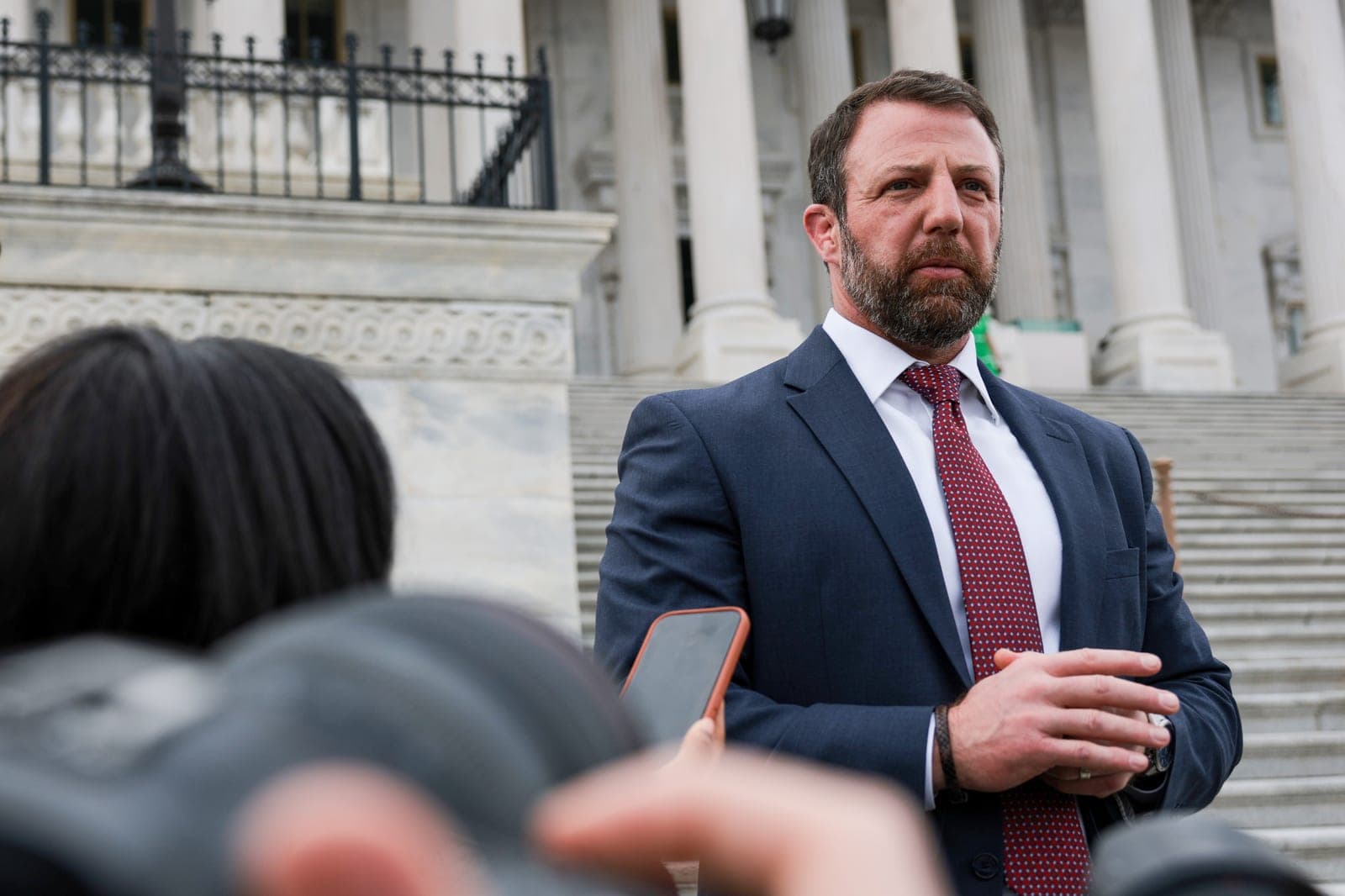
The article traces Senator Markwayne Mullin’s first name to two uncles, while noting that President Trump has selected him to replace Kristi Noem as homeland security secretary. Mullin’s nomination still requires congressional approval.
Mullin said in a 2014 interview that he was named Markwayne after two of his uncles, Mark and Wayne. The article also recounts his Cherokee Nation heritage, MMA career, family and path from the House to the Senate.
President Trump selected Mullin to replace Kristi Noem as secretary of Homeland Security. The article says Noem is to remain in the role through March 31 and that Mullin’s nomination must be approved by Congress before he can take over.
Community verdict
VOTING CLOSED
No good or bad look here
This story reports what happened without casting Mullin in a good or bad light, so readers don’t rate it and it doesn’t count toward Mullin’s record.
People in this story
SWIPE →Oklahoma senator and nominee for secretary of Homeland Security
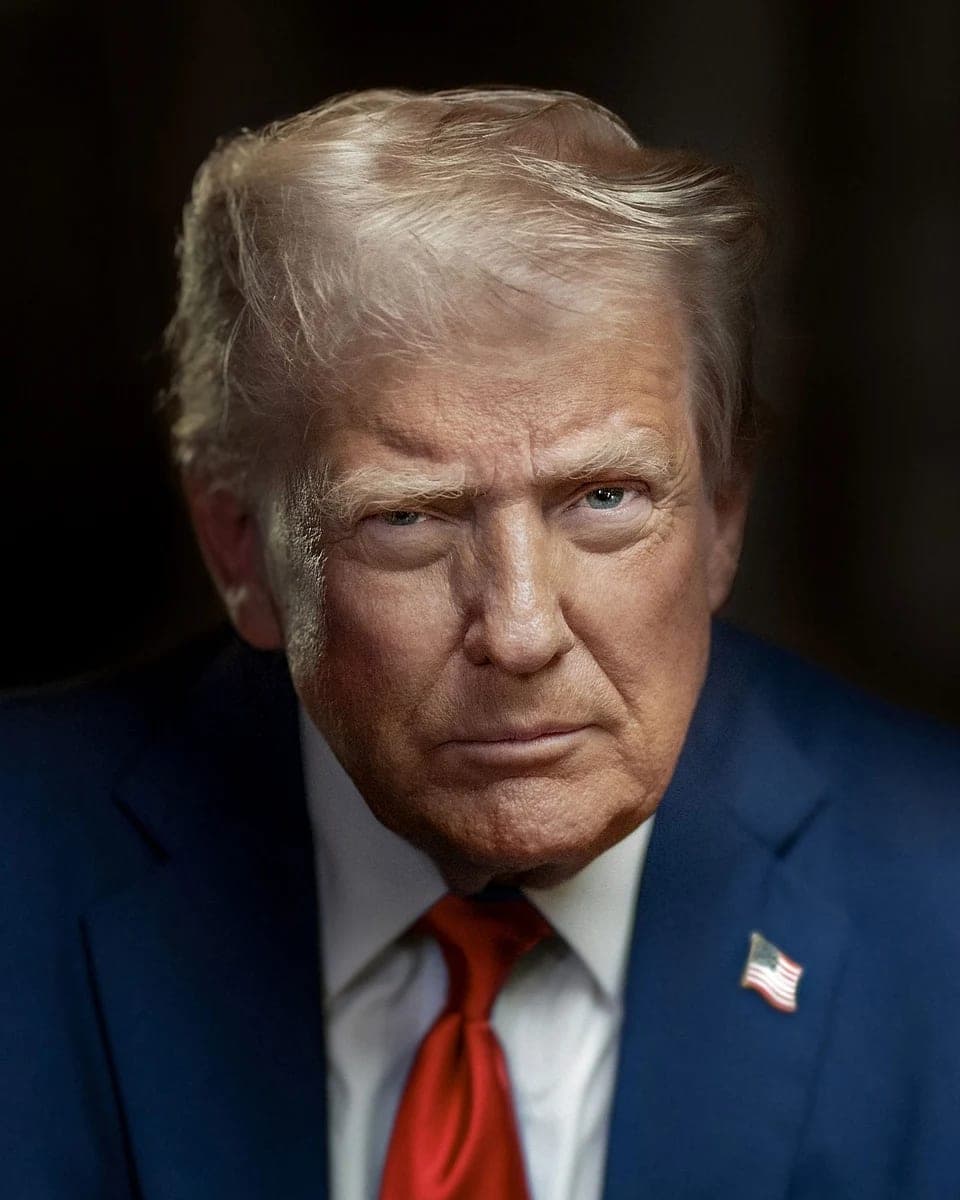
President who selected Mullin for the Homeland Security post

Homeland Security secretary being replaced
Part of a bigger story
20 OUTLETSOutlets agree that Trump selected Senator Markwayne Mullin to replace Kristi Noem as Homeland Security secretary. Left-leaning outlets use pointed language around Noem’s departure and emphasize the politics of the replacement. Center outlets mostly report the personnel change in restrained terms, often adding biographical context on Mullin. Right-leaning outlets generally present a matter-of-fact handoff, though one also highlights Noem’s role in stopping crossings and Trump’s praise of Mullin.
- ARTICLES
- 26
- OUTLETS
- 20
- AVG CRED
- 65
Discussion · 0
Loading comments…