Maine rank-and-file shrug off Platner's alleged deeply disturbing past: 'Don't care what Washington says'
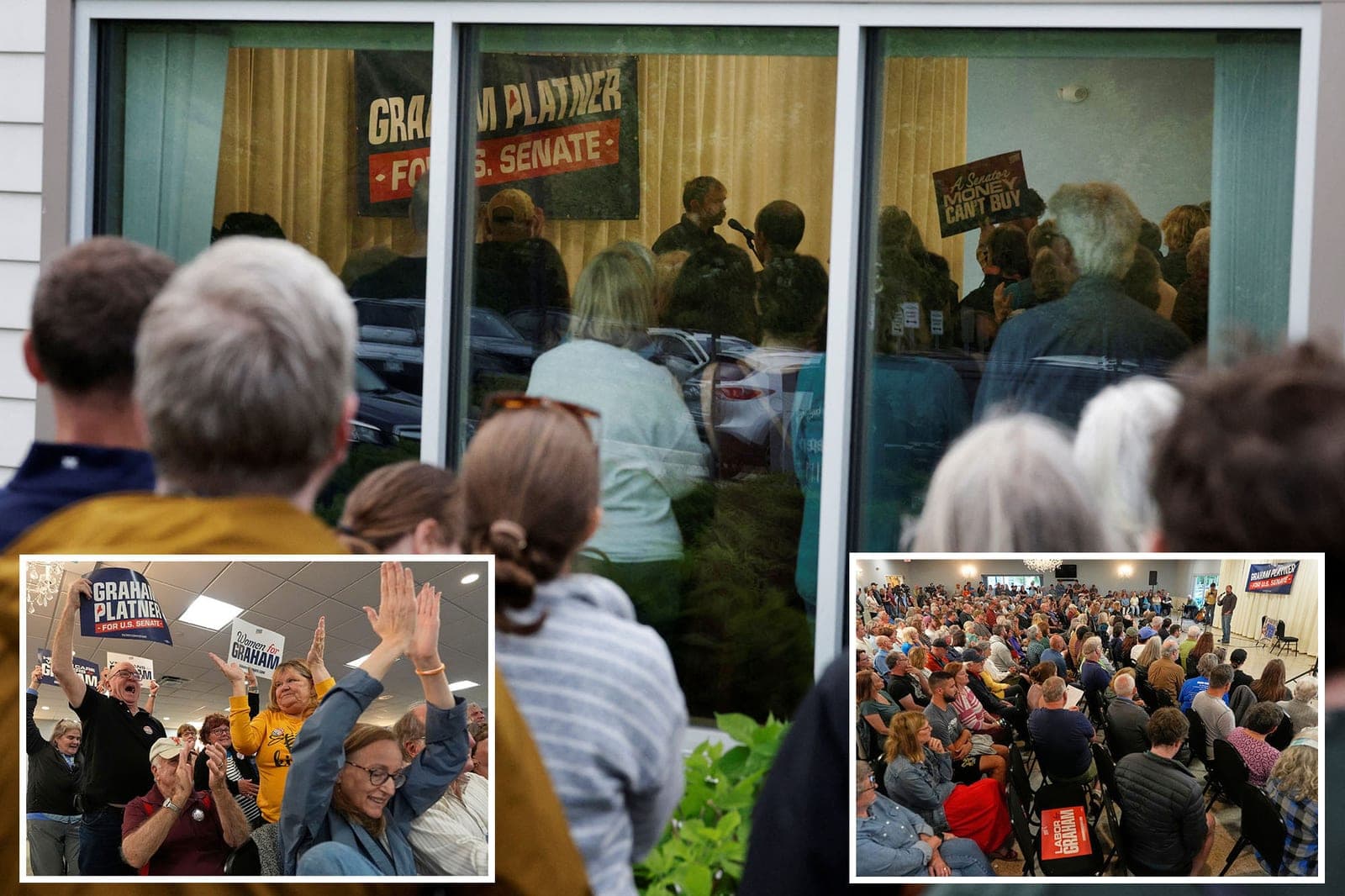
Platner drew support at a Maine town hall despite renewed attention to allegations about his past.
SOURCE CHECK
TAP FOR WHYThe New York Post is an established national outlet, and this article includes original interviews and attributes claims about earlier reporting to other publications. Its tabloid framing and reliance on a limited set of rally attendees constrain confidence in its overall editorial rigor.
- Source type — Established national outlet, though its tabloid presentation warrants a modest discount.
- Author attribution — A named reporter is credited, and the article includes interviews with named attendees.
- Transparency — Claims about prior allegations are attributed to named publications and individuals; polling is attributed to RealClearPolitics.
- Editorial standards — The article includes loaded descriptions and relies heavily on supportive rally attendees for its on-the-ground perspective.
The report offers named attendee interviews, attributes allegations and denials, and identifies its polling source. The account gives limited space to perspectives beyond rally supporters and does not independently examine the underlying allegations.
HOW WE SCORE ↗The article includes allegations, Platner’s denials and supporters’ explanations, but much of the event coverage comes from people at the rally who support him. It provides little independent examination of the allegations or the views of other voters.
- Source diversity — Several attendees are quoted, but they are largely from the supportive crowd; no opposing voter is interviewed.
- Counterarguments presented — Platner’s denials and supporters’ defenses appear alongside the allegations.
- Omitted context — The article recounts allegations from prior reports without independently testing their details.
- Loaded language — Some descriptions are sensational and steer the reader toward a critical view of Platner.
The report uses conspicuously negative descriptions of Platner and foregrounds allegations that damage his campaign. It also includes supportive attendees’ views and attributes criticism from Republicans rather than presenting all of it as fact.
- Language tone — Terms such as “embattled,” “wild scandals” and “horny oyster farmer” give the account a negative, sensational tone toward Platner.
- Framing — The story frames rally support as a shrugging-off of troubling allegations.
- Source selection — The article quotes supportive attendees but also includes allegations, Platner’s denials and Republican criticism.
- Headline — The headline emphasizes the candidate’s alleged past and supporters’ dismissal of outside criticism.
At a Maine town hall, Senate candidate Graham Platner received strong support from attendees who dismissed or downplayed allegations about his past. The article reports that he leads Sen. Susan Collins in a polling aggregate, while noting that the aggregate previously underestimated her.
At a Sunday town hall in Maine, attendees voiced support for Democratic Senate candidate Graham Platner despite allegations involving his treatment of women, past online comments and a tattoo with Nazi associations. Some supporters said they viewed the controversies as old or believed people could change; Platner has denied knowing of the tattoo’s Nazi ties and denied accusations of physical wrongdoing against women. He told the crowd the race was about the future of politics in Maine, not just about him.
The article says Platner leads incumbent Sen. Susan Collins by 7.4 percentage points in the latest RealClearPolitics polling aggregate, while noting that the site significantly underestimated Collins in her 2020 reelection bid. It also reports that Republicans have accused progressives of hypocrisy over their response to one woman’s allegations against Platner.
Community verdict
10 VOTES
People in this story
SWIPE →
Incumbent senator cited in polling about the Senate race
Part of a bigger story
27 OUTLETSGraham Platner, a Democratic candidate for U.S. Senate in Maine, faced scrutiny over reports about his past conduct during his campaign. Left-leaning outlets focus on questions about his political viability and defenses made on his behalf. Center outlets emphasize Democratic responses, voter views and the race’s stakes. Right-leaning outlets more often present the allegations as evidence against Platner and criticize Democrats who continue to support him, though some also report voter backing.
- ARTICLES
- 38
- OUTLETS
- 27
- AVG CRED
- 57
Discussion · 0
Loading comments…