House intel committee calls for travelers to undergo biometric screening to stop another 9/11
Stefanik spearheaded the review, which recommends expanded biometric screening of foreign travelers.

SOURCE CHECK
TAP FOR WHYThe New York Post is an established national outlet with an identifiable byline, though its tabloid style and comparatively uneven reputation warrant a lower score than major newspapers of record. This article attributes its central claims to a committee report and notes that DHS had not responded.
- Source type — Established national news outlet, with a tabloid format and reputation that warrant some caution.
- Transparency — The article identifies the committee report as the source for its recommendations and progress claims.
- Author attribution — A named reporter is identified.
- Editorial standards — No article-specific information about corrections or editorial standards is presented.
The article gives specific details drawn from the committee report and distinguishes those claims from its own reporting. It includes the report’s rationale and implementation status, but offers no opposing policy perspective and reports only that DHS had not responded.
HOW WE SCORE ↗The article presents the committee’s case and describes current screening gaps, but does not include a privacy, civil-liberties, or other policy counterargument. The brief note that DHS had not responded does not provide an opposing view.
- Counterarguments presented — No substantive counterargument to expanded biometric screening is included.
- Source diversity — The report supplies the substantive claims; DHS is mentioned only as not having responded.
- Opinion vs reporting — The piece is written as a factual news report rather than an explicit opinion article.
The article reports the committee’s recommendation and implementation concerns in largely neutral language. It attributes the policy rationale to the report and includes no clear partisan framing.
- Language tone — Mostly descriptive language; the headline’s reference to stopping another 9/11 reflects the report’s security rationale.
- Source selection — The report is the main source, and the article notes that DHS had not responded.
- Framing — The story focuses on the committee’s recommendation and reported gaps in screening.
A House intelligence committee report drafted by Reps. Elise Stefanik and Josh Gottheimer urges biometric screening of foreign travelers entering and leaving the United States. It says gaps in land-border and airport exit screening make it harder to track travelers and identify potential threats.
The House intelligence committee called for control booths that collect biometric information, including facial scans, from foreign nationals entering and leaving the United States. The 66-page report was drafted by Reps. Elise Stefanik and Josh Gottheimer as part of a review of progress on 9/11 Commission recommendations. The report argues that biometric data could help authorities track who is in the country and identify people using altered or false passports.
The report says airports do not yet scan outbound passengers’ faces and that land-border screening has gaps. It notes that federal regulations changed in October 2025 to allow photographs to be required from noncitizens arriving and departing, but says exit scans have not been fully implemented. The Department of Homeland Security did not immediately respond to a request for comment.
Community verdict
20 VOTES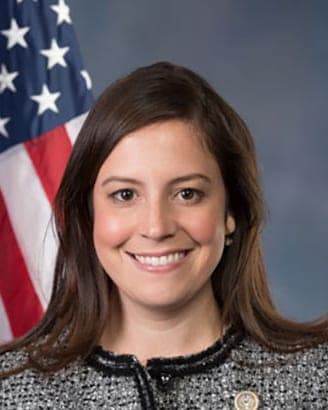
People in this story
SWIPE →Co-drafter of the committee’s review and a leader of its review of 9/11 Commission recommendations.
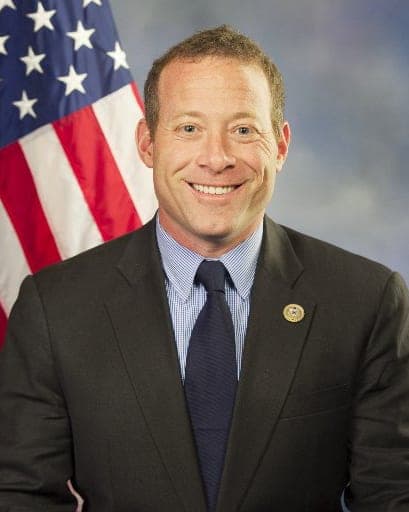
Co-author of the committee review recommending expanded biometric screening.
Gottheimer's version of this story ↗Discussion · 0
Loading comments…