Exclusive | Nonprofit linked to Swalwell spy Fang Fang has CCP ties — and still placing interns into US political offices
The article examines the disputed account of Henry Yin’s advisory role and Khanna’s office’s response.

SOURCE CHECK
TAP FOR WHYThe New York Post is an established national outlet, and this article has a named reporter and includes responses from APAPA and Khanna’s office. Its tabloid style and the story’s reliance on attributed allegations and limited outside perspectives temper the score.
- Source type — Established national outlet, though its tabloid presentation calls for some caution.
- Editorial standards — The article includes responses from APAPA and Khanna’s office, but makes prominent allegations that are not independently resolved in the text.
- Author attribution — A named reporter is credited.
- Transparency — The article identifies sources for key claims, including declassified files and published reports, but offers limited detail on verification methods.
The article cites declassified files and published reports, attributes claims to named sources, and includes responses from APAPA and Khanna’s office. However, much of the account centers on allegations and suggestive associations, with limited independent corroboration or competing expert perspectives.
HOW WE SCORE ↗The article gives APAPA and Khanna’s office opportunities to respond and notes that no wrongdoing is alleged against Yin or the aides. Still, allegations and warnings dominate, while the article provides little independent context to test the broader claims about influence.
- Counterarguments presented — APAPA and Khanna’s office offer denials or clarifications, and the article says Yin is not accused of wrongdoing.
- Source diversity — The account includes official statements, watchdog voices, and references to published reports, but relatively few independent perspectives.
- Loaded language — The headline and some descriptions are notably charged.
- Omitted context — The article does not extensively examine evidence for or against the broader inference of organizational CCP influence.
The report uses strongly charged language and frames alleged Chinese influence through scrutiny of Democratic officials and organizations. Responses and denials appear, but the headline and overall emphasis lean toward a right-of-center critique of those connections.
- Language tone — Terms such as “spy,” “seduced,” and “now-disgraced” create a strongly critical frame.
- Framing — The article emphasizes possible CCP influence and political vulnerabilities, particularly among Democratic figures.
- Source selection — It includes organizational and congressional responses, but relies substantially on watchdog and security-focused voices.
The New York Post reports that APAPA, a nonprofit connected to alleged Chinese spy Fang Fang, continues placing interns in political offices despite scrutiny over its alleged China ties. The article also examines APAPA chair Henry Yin’s claimed advisory relationship with Rep. Ro Khanna, which Khanna’s office disputes as a formal role.
The article says Fang Fang used her role in an APAPA chapter to help place interns in political offices and reports that APAPA’s current leadership says it has no information that she held an authorized role. It cites declassified FBI files about Fang’s contacts with Eric Swalwell and other politicians, and describes scrutiny of APAPA leaders over alleged links to China’s ruling party. APAPA says its mission is civic engagement and that it has not taken a position on data centers; the article also says Yin is not accused of wrongdoing.
The article reports that Henry Yin’s LinkedIn profile describes him as a senior adviser to Khanna, and quotes Khanna’s 2019 post calling Yin his senior adviser on foreign trade and economic development. Khanna’s spokeswoman said Yin never held a formal role with the congressman, and Khanna’s office said he did not know Yin’s views on data centers and had not discussed the issue with him. The story also names other elected officials and aides associated with APAPA, while noting that none of those aides had been suspected of wrongdoing or tied to China or espionage.
Community verdict
12 VOTES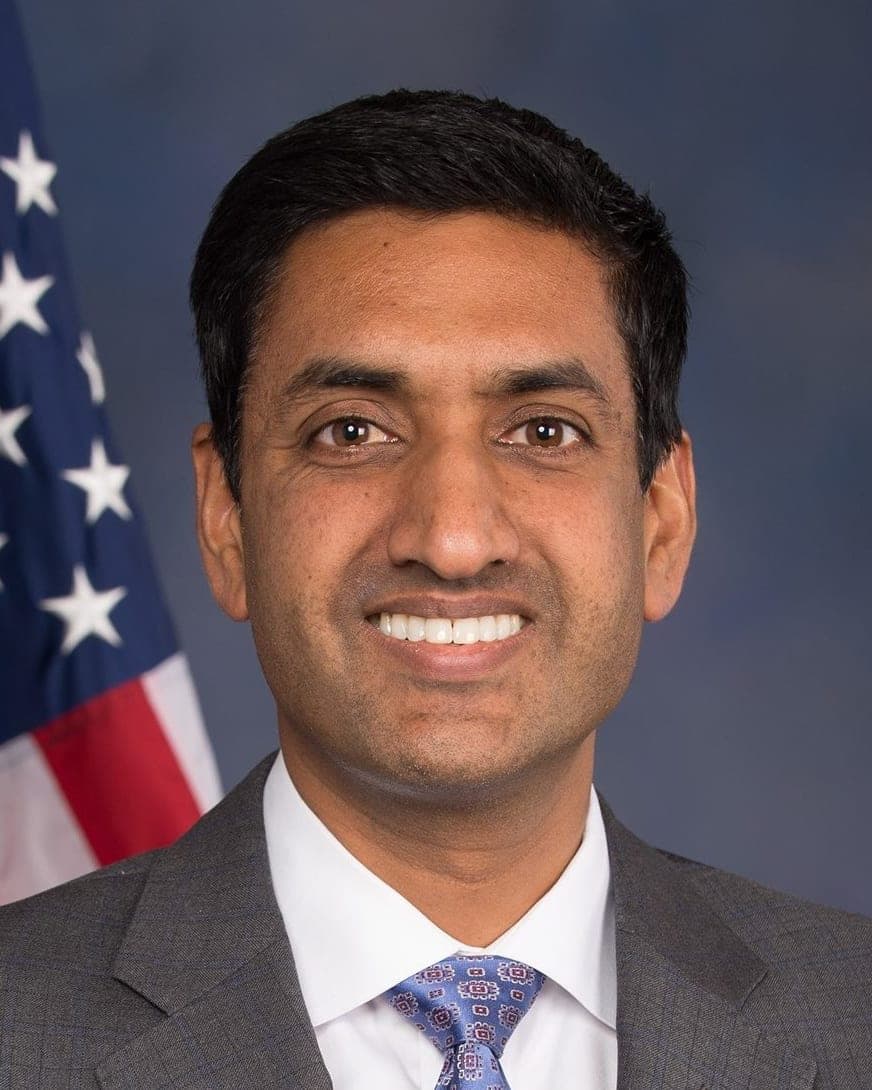
People in this story
SWIPE →Congressman whose claimed advisory relationship with APAPA chair Henry Yin is disputed by his office
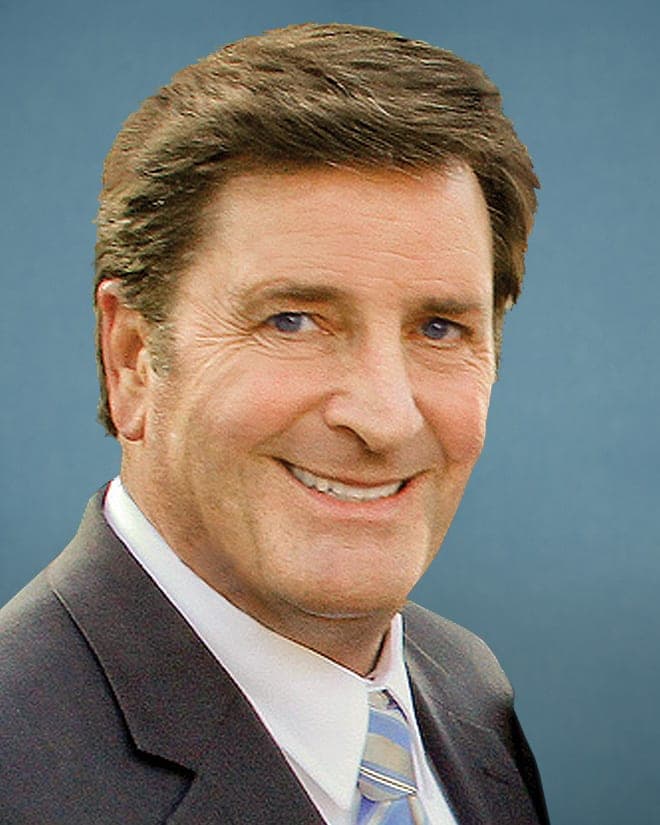
Representative whose former aide is identified as an APAPA board member
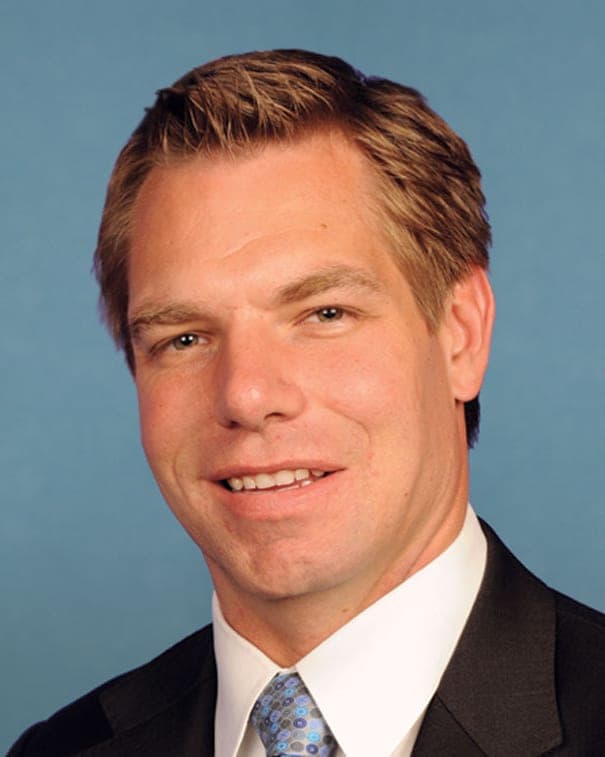
Former congressman whose contacts with Fang Fang are part of the article’s account
Part of a bigger story
2 OUTLETS- ARTICLES
- 2
- OUTLETS
- 2
- AVG CRED
- 66
Discussion · 0
Loading comments…