Exclusive | Midterms won't be blue wave or red wave — only 'knife fights in dark alleys,' GOP campaign boss says
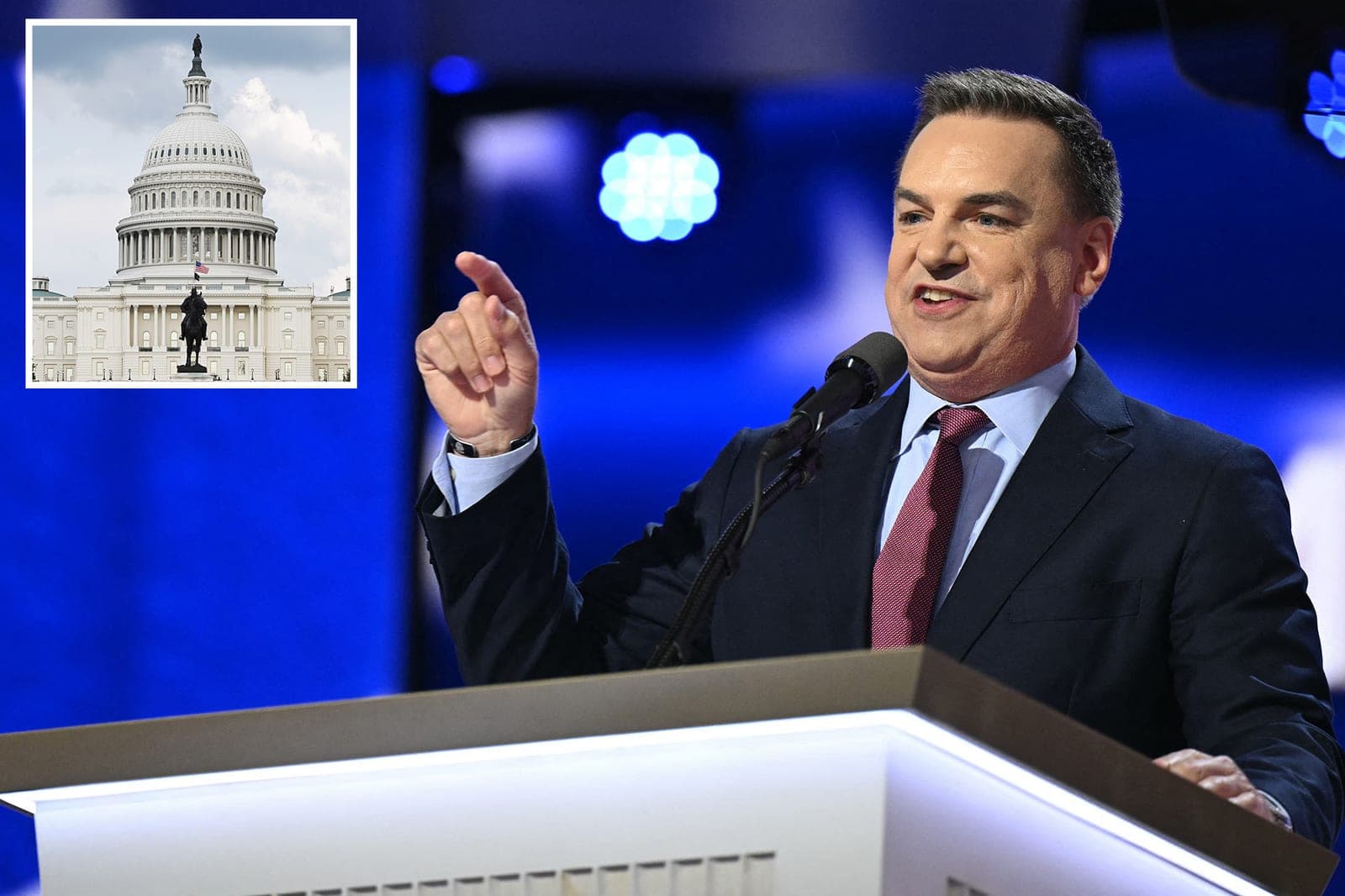
Hudson argued that close House races, campaign resources and district conditions give Republicans a path to hold their majority.
SOURCE CHECK
TAP FOR WHYThe New York Post is an established national outlet with named authors and reported interviews, but its tabloid presentation and opinionated framing temper confidence in its institutional standards.
- Track record — Established national publication with a long-running news operation.
- Editorial standards — Reports an interview and attributed claims, though the presentation includes tabloid-style framing.
- Author attribution — The article identifies its reporter and attributes key statements to named sources.
- Source type — National news source, with credibility moderated by its sensational style.
The story includes a named interview subject, attributed quotes, and specific election forecasts and historical comparisons. Its account relies heavily on Hudson’s perspective and offers little response or independent examination of his claims.
HOW WE SCORE ↗The article supplies forecasts that conflict with Hudson’s optimism and includes historical context, but the interview and most of the narrative give Hudson’s side of the argument without a counterparty’s response.
- Counterarguments presented — Democratic-favorable forecasts are reported, but no Democratic source explains or defends them.
- Source diversity — Hudson is the main source; forecasts and reports add limited independent perspective.
- Omitted context — Hudson’s assertions about the race map, money and Cooper receive little scrutiny.
- Loaded language — Some colorful phrasing lends the story a tabloid tone.
The article centers on a Republican campaign leader’s arguments and predictions, and uses some favorable framing of GOP strategy. It includes contrary forecasts about Republican prospects but does not seek a Democratic response.
- Framing — Hudson’s case that Republicans can retain the House receives sustained attention.
- Source selection — The central source is the NRCC chairman; no Democratic counterpart is quoted.
- Language tone — Terms such as “crowing” and “cash cannon” add a colorful, campaign-oriented tone.
- Omission — The article reports opposing forecasts but does not independently test Hudson’s claims or include a response from Democrats.
NRCC Chairman Richard Hudson argued that House races will be close rather than produce a major midterm wave, and said Republicans can hold their narrow majority. He also touted the GOP’s campaign resources and predicted Michael Whatley would beat Roy Cooper in North Carolina’s Senate race.
Richard Hudson, chairman of the National Republican Congressional Committee, said the House map has few competitive seats and that individual races will be decided by small margins. He argued that forecasters are overlooking district-level conditions; the article also cites Kalshi’s forecast favoring Democrats and the Cook Political Report’s House-seat estimate.
Hudson said Republicans have a fundraising advantage and explained that the NRCC was increasing paid advertising after Labor Day, while its field staff had already been contacting voters. He predicted Republican Michael Whatley would defeat Roy Cooper in North Carolina’s Senate race and criticized Cooper’s record and campaigning.
Community verdict
12 VOTES
People in this story
SWIPE →NRCC chairman discussing House campaign strategy and Republican prospects

President whose conditional cash-check promise is mentioned

Republican Senate candidate whom Hudson predicted would win in North Carolina
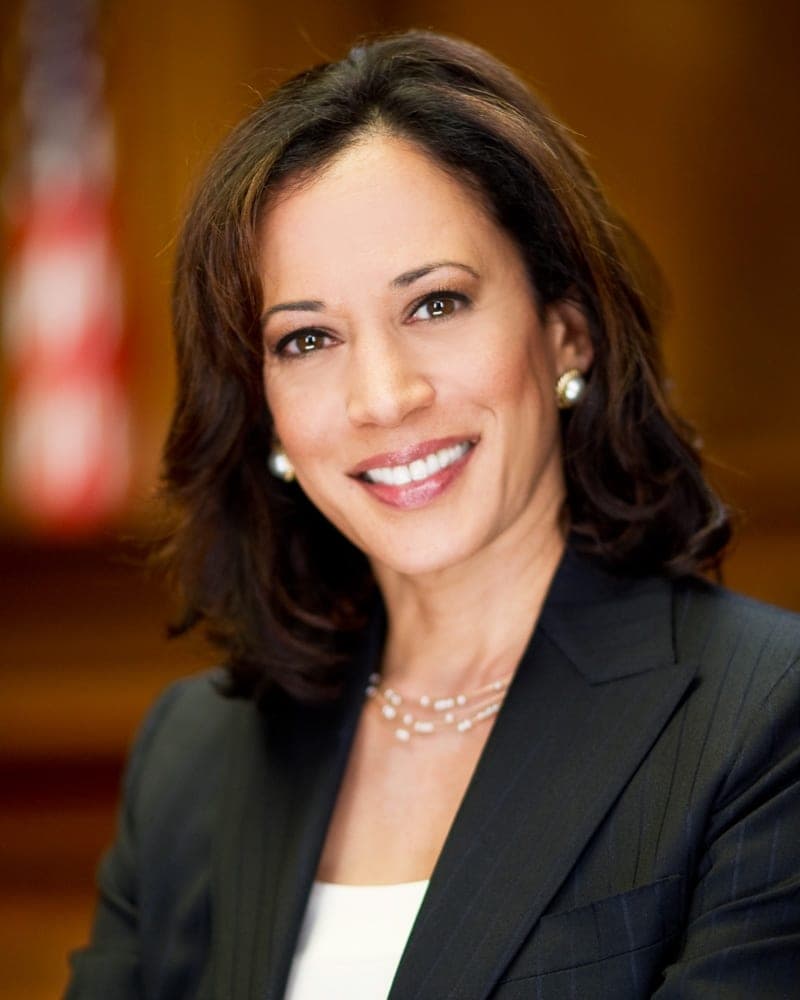
Former vice president referenced in a comparison of states’ presidential votes

Democratic Senate candidate criticized by Hudson
Discussion · 0
Loading comments…