House Democratic leaders split over U.S. aid to Israel as public opinion shifts
Jeffries opposed the amendment, arguing it would weaken the United States' ability to confront regional militant groups.

SOURCE CHECK
TAP FOR WHYNBC News is an established national newsroom, and this report identifies its author and supports the account with attributed statements, a vote tally, and polling. The article offers multiple Democratic perspectives, though it provides limited opposing context from Israeli or U.S. government officials.
- Source type — Established national news organization with a substantial reporting operation.
- Editorial standards — The reporting presents attributed statements and specific vote figures.
- Author attribution — The article names its reporter.
- Source diversity — Includes statements from lawmakers with differing positions and polling, but little response from outside the Democratic caucus.
The article gives the amendment's stated effects, the vote tally, direct comments from lawmakers on different sides, and polling context. It would be stronger with more perspectives beyond House Democrats and additional context on the amendment's legislative setting.
HOW WE SCORE ↗The article explains both sides of the vote, quotes leaders who disagreed, and includes perspectives from other Democrats. The account is concentrated on Democratic debate and gives limited space to views outside the party.
- Counterarguments presented — Explains arguments for and against the amendment through lawmakers' statements.
- Source diversity — Several lawmakers with differing positions are represented; non-Democratic and government perspectives are limited.
- Loaded language — Evaluative phrases appear as attributed quotations rather than the article's own characterization.
- Omitted context — Provides limited context from officials or groups outside the House Democratic debate.
The report describes competing Democratic positions and the vote in largely neutral language. Its framing emphasizes party divisions and shifting public opinion without clearly endorsing a position on the aid amendment.
- Language tone — Mostly descriptive language, with attributed characterizations from lawmakers.
- Source selection — Includes lawmakers supporting and opposing the amendment, as well as one voting present.
- Framing — Frames the vote as a division within House Democrats and the party base.
House Democratic leaders Hakeem Jeffries and Katherine Clark split over an amendment to end U.S. aid to Israel, which the House rejected 104-314. Their opposing votes highlighted divisions among Democrats over Israel policy.
Jeffries voted against the amendment, calling it “overly broad,” while Clark voted for it, saying the status quo was untenable and the U.S. should not provide a “blank check” for military aid. The amendment would bar funds in a national security and State Department appropriations bill from being used for Israel and block $3.3 billion in U.S. security assistance.
The vote split House Democrats: 103 joined Massie in voting yes, 98 voted no with most Republicans, and 10 voted present. Other Democrats offered differing reasons for their positions, amid shifting public opinion on the Israel-Palestinian conflict and pressure from progressives for a more aggressive stance toward Israel.
Community verdict
37 VOTES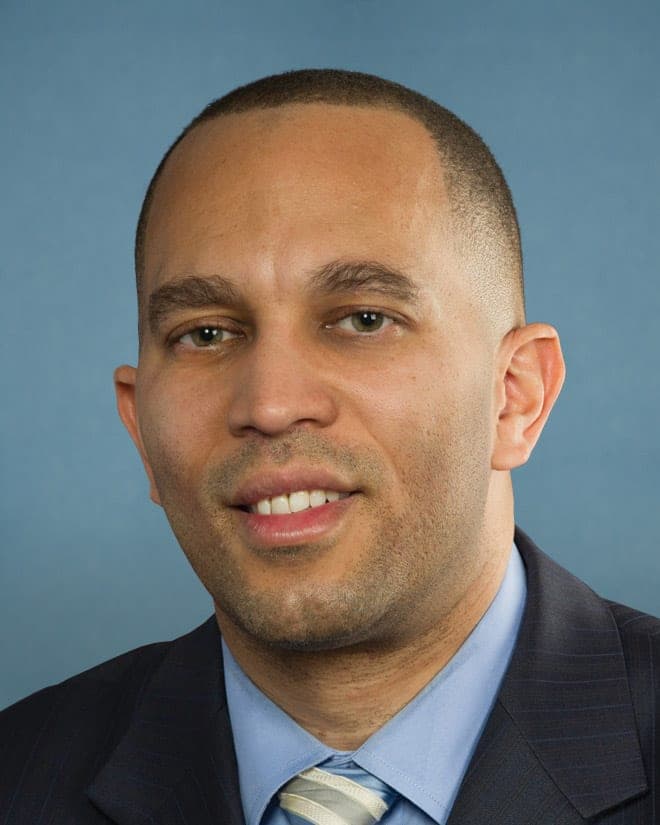
People in this story
SWIPE →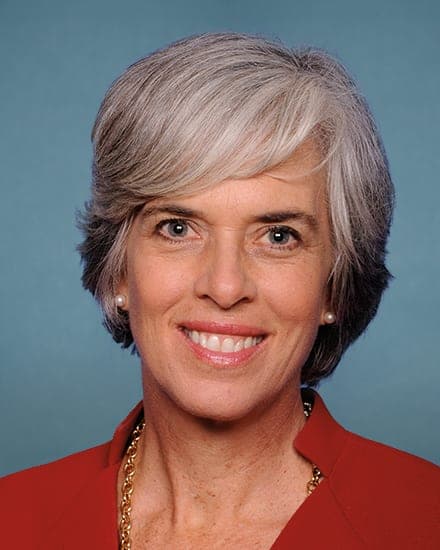
House Minority Whip who voted for the amendment
Clark's version of this story ↗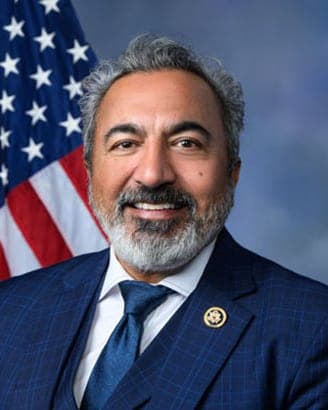
Representative who voted present

Leader of the administration mentioned in connection with the war with Iran

Republican representative who offered the amendment

Assistant House Minority Leader who voted for the amendment

Chair of the House Democrats' campaign arm who voted against the amendment
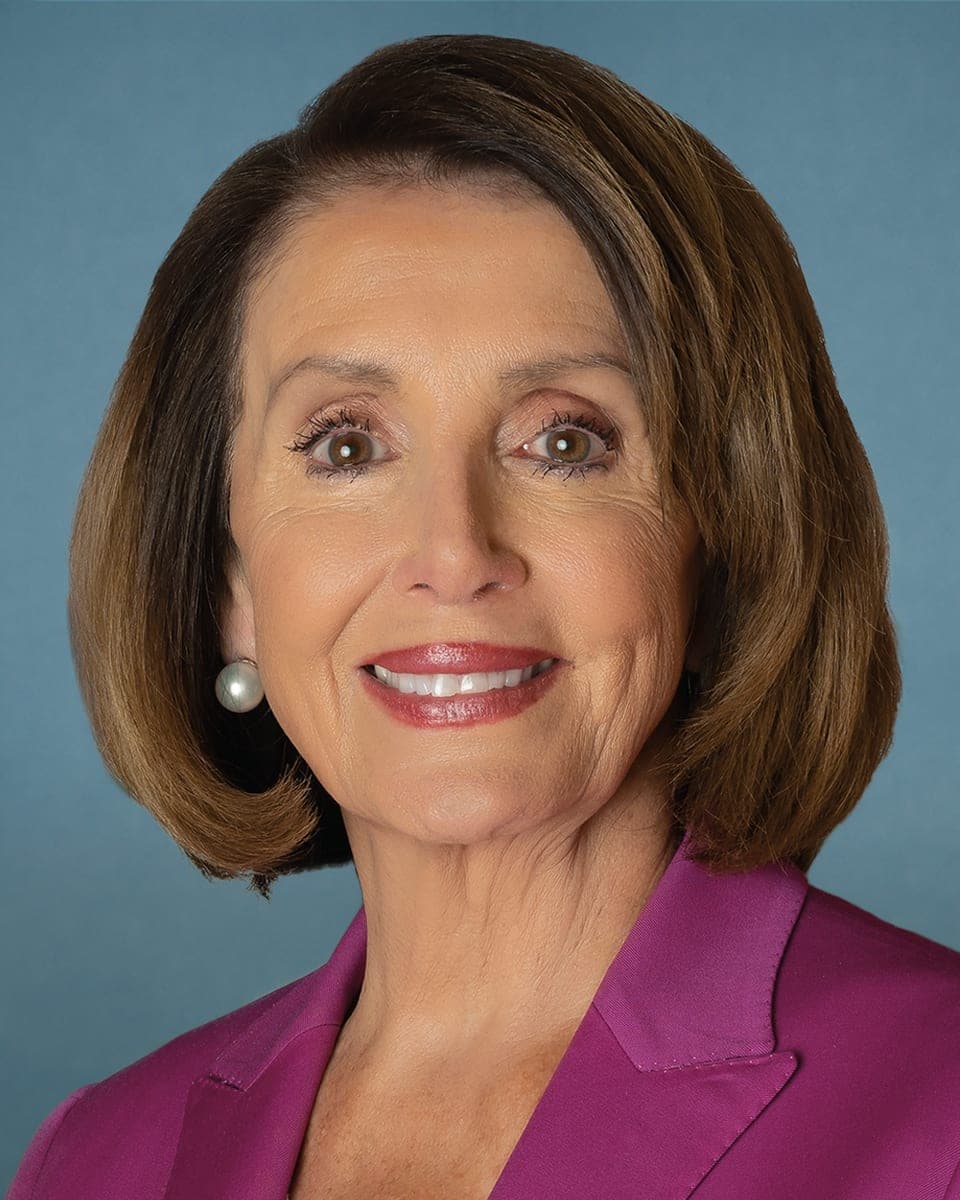
Former House Speaker who voted for the amendment
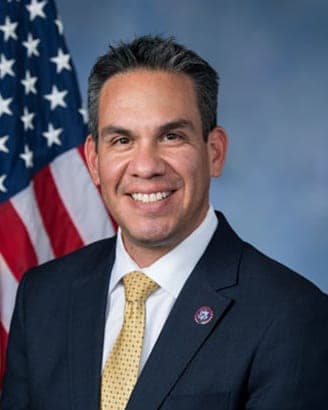
House Democratic Caucus chair who voted against the amendment

Vice chair of the House Democratic Caucus who voted against the amendment

Progressive Caucus chair who urged colleagues to support the amendment
Part of a bigger story
14 OUTLETSOutlets agree the House rejected an amendment to cut U.S. aid to Israel, with House Minority Leader Hakeem Jeffries opposing the measure. Left-leaning outlets, such as Alaska Native News, emphasize progressive backlash rebuking Jeffries for voting against the aid cutoff. Center outlets focus on the widening divide within the party and between House Democratic leaders. Right-leaning outlets, such as The Daily Caller, highlight internal Democratic conflict while reporting Jeffries's opposition to the measure.
- ARTICLES
- 14
- OUTLETS
- 14
- AVG CRED
- 67
Discussion · 0
Loading comments…