'Secret' immigration courts popping up in federal buildings, observers say
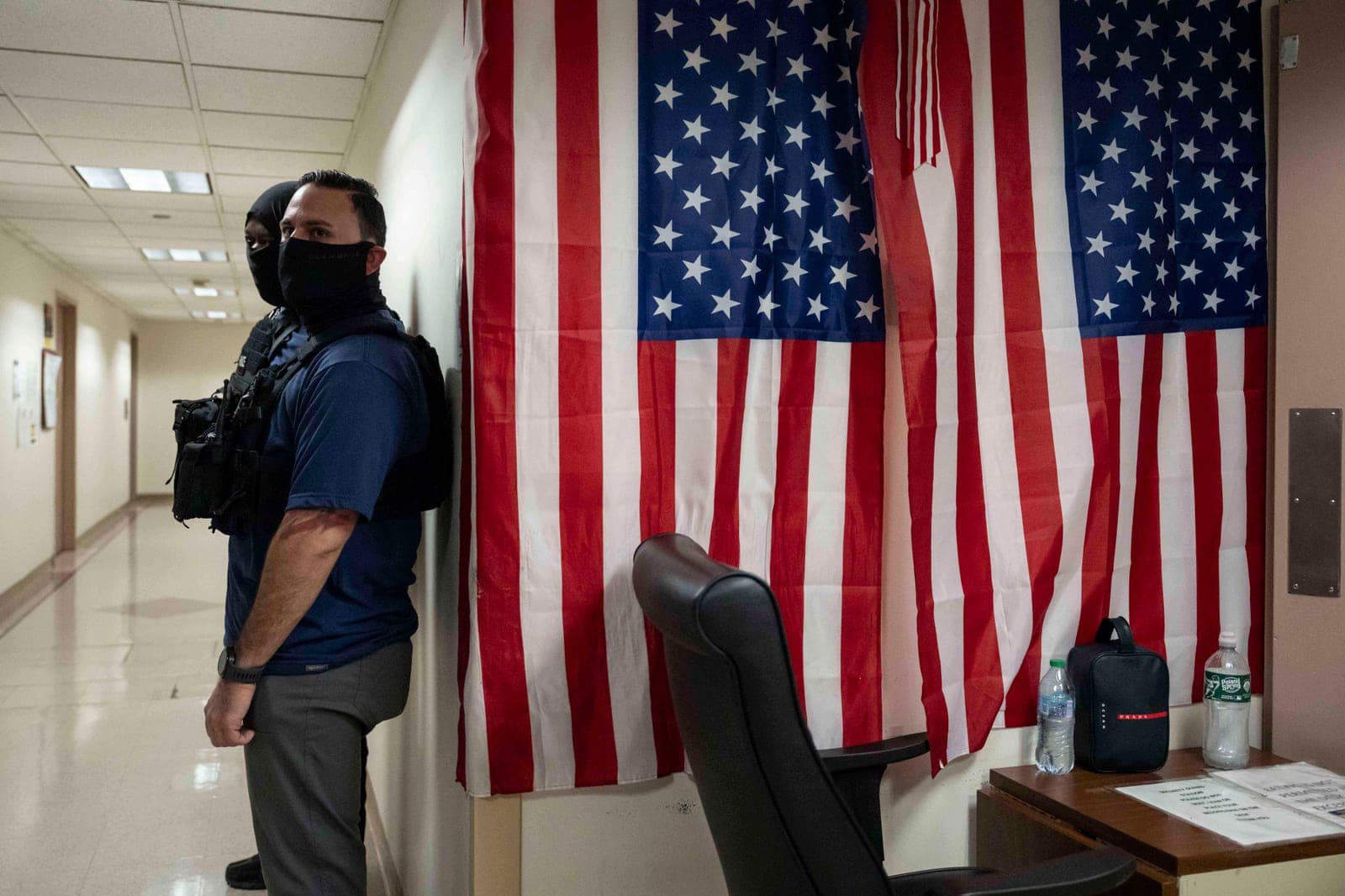
Stanton described being denied access to a hearing site and criticized the use of federal buildings for immigration proceedings.
SOURCE CHECK
TAP FOR WHYCredibility rates myfox8.com, where this article appeared. The other scores rate the article itself.
The publisher is an established local television news outlet, though this article appears to be attributed reporting from Border Report rather than original work by the publisher. The named byline and identifiable source provide some transparency.
- Source type — Established local television news outlet; a positive institutional baseline.
- Author attribution — The article names an author and identifies Border Report in its dateline.
- Editorial standards — No article-specific information about corrections or editorial practices is provided.
The article includes named lawyers and advocates, a policy brief, statements from a member of Congress, and a response from the Justice Department. Most detail supports concerns about access and notice, while the agency's counterpoint is brief and the article does not independently establish the allegations.
HOW WE SCORE ↗The article reports concerns from a lawmaker and immigration advocates, with a response from the Justice Department. The differing views appear, but the agency's explanation is brief and the claims about access and notice receive substantially more attention.
- Counterarguments presented — A Justice Department spokeswoman explains the agency's scheduling rationale and authority to close courtrooms.
- Source diversity — The article includes a lawmaker, legal advocates, an association policy brief and the agency's response, but most sources raise concerns.
- Omitted context — The article provides little detail about the agency's operational reasoning beyond its spokeswoman's statement.
The article's framing and most of its sources emphasize criticism of the administration's hearing practices and their effects on access. It includes a Justice Department response, but gives that response less space than the critical accounts.
- Framing — The headline foregrounds claims that the courts are secret, and the story centers concerns about access and transparency.
- Source selection — Several quoted sources criticize the arrangements; the agency response comes from one spokeswoman near the end.
- Language tone — The article attributes strong descriptions such as 'happening in secret' to its sources rather than presenting them wholly as the outlet's own claims.
Original publisher not identified
This article credits another publisher, which ChamberLight has not identified, so the scores are myfox8.com's own.
Rep. Greg Stanton said he was denied access to an immigration hearing site and criticized the use of federal buildings for hearings that lawyers say are difficult to locate. Stanton and Rep. Jamie Raskin have sent the Justice Department a letter opposing the pop-up courts.
Stanton said he was initially denied entry to a FEMA building in Washington where immigration hearings were being held, and that the courtroom was empty when he was later admitted. He said hearings should be open to the public and easy to locate, and objected to using FEMA facilities during hurricane season. Stanton also said another pop-up court was operating in a Department of Homeland Security building in New York City.
Stanton said he and Rep. Jamie Raskin sent the Justice Department a letter opposing the courts, and that he supports legislation to move the immigration review office out of the department. Lawyers and immigration advocates said people were having trouble finding courts and detained migrants; a Justice Department spokeswoman said the agency was adjusting hearing locations to handle cases promptly and lawfully, and could close courtrooms.
Community verdict
18 VOTES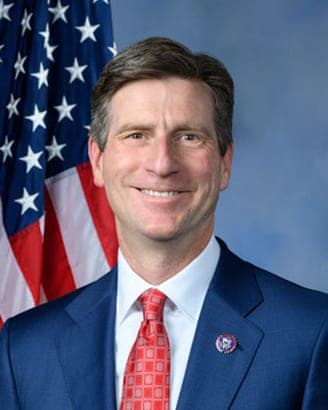
People in this story
SWIPE →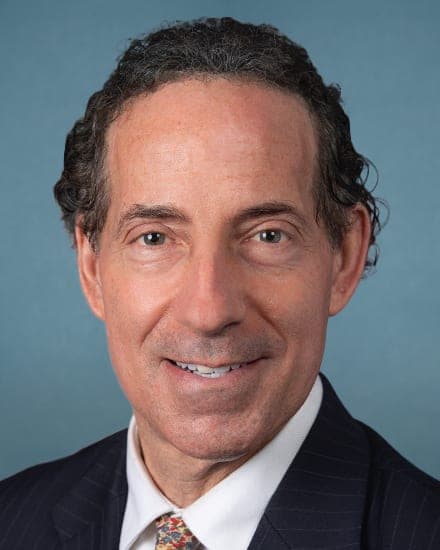
Representative who joined Stanton in sending a letter to the Justice Department
Discussion · 0
Loading comments…