Will This Bipartisan Bill Bring Productions Home?
Moran introduced the production tax-credit proposal and said it would help keep American storytelling in the United States.

SOURCE CHECK
TAP FOR WHYMovieguide is a niche publisher with an identified author, but the article provides limited information about its editorial standards and correction practices. Its reporting includes named sources and attributes its economic projections to a commissioned analysis.
- Source type — Niche entertainment publisher; the source type is not otherwise specified.
- Author attribution — An author is named, and the article includes a direct quotation from a bill sponsor.
- Transparency — The projected economic figures are attributed to a Motion Picture Association-commissioned analysis.
- Editorial standards — The article provides no details about correction practices or newsroom standards.
The article gives specific eligibility terms, quotes a sponsor and an industry representative, and identifies the source of its projected job and income figures. It notes uncertainty and the bill’s remaining steps, but offers little independent scrutiny of the proposal’s costs or a critical perspective.
HOW WE SCORE ↗The article describes the proposal’s terms and potential benefits and acknowledges that projected outcomes are not guaranteed and that Congress must consider its cost. It does not include a critic or a detailed account of the proposal’s potential drawbacks.
- Counterarguments presented — The article notes cost questions but presents no opposing source or developed counterargument.
- Source diversity — Includes a bill sponsor and an entertainment-industry representative; perspectives are largely supportive.
- Omitted context — Does not detail the bill’s expected public cost or how it would be funded.
The article presents the proposal favorably, emphasizing jobs and domestic production, but the bipartisan framing and neutral presentation do not establish a clear partisan lean.
- Language tone — Mostly matter-of-fact, though the article foregrounds the proposal’s potential benefits.
- Framing — Focuses on bringing production and jobs to the United States, without a clear party-specific frame.
- Source selection — Includes supporters and an industry representative, but no critic of the incentive.
Six lawmakers introduced a bipartisan bill proposing a federal tax credit for qualifying U.S. film and television production wages. The proposal would need to pass both chambers and reach the president before companies could claim the credit.
Rep. Nathaniel Moran said the bill is intended to help keep American storytelling and production work in the United States. The proposal would create a 20% tax credit for wages paid to workers on qualifying productions, with bonuses that could raise the credit to 30%. Projects would generally need to complete 75% of principal photography in the United States.
An analysis commissioned by the Motion Picture Association projected the incentive could support about 143,500 full-time-equivalent jobs annually and generate $133.1 billion in labor income from 2027 through 2035; the article notes these are projections, not guaranteed results. The bill still must proceed through committees, pass both chambers and reach President Donald Trump’s desk.
Community verdict
18 VOTES
People in this story
SWIPE →
Representative and bill co-introducer

Representative and bill co-introducer

President of the United States; the bill would need to reach his desk

Representative and bill co-introducer
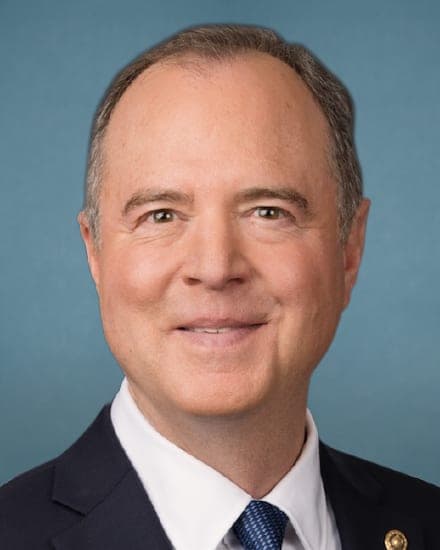
Senator and bill co-introducer

Senator and bill co-introducer
Part of a bigger story
3 OUTLETSNathaniel Moran and bipartisan colleagues introduced legislation proposing federal tax credits for U.S. film and television production; coverage also reports that a Senate companion was introduced. Center outlets describe the proposal largely matter-of-factly, with supporters saying the incentives could return production jobs to the United States. Right-leaning outlets present it more uniformly as a way to bring film jobs and economic activity home, without including critics.
Discussion · 0
Loading comments…