Massie Revives Effort to Strip NDAA's Section 219 Combining US-Israeli Defense
Massie says he will reintroduce an amendment to remove the NDAA’s U.S.-Israel defense technology cooperation provision.

SOURCE CHECK
TAP FOR WHYMilitary.com is an established, specialized outlet covering defense and military affairs. The article identifies its author and includes attributed statements, though the available text does not establish a corrections record or extensive independent sourcing.
- Source type — Specialized defense publication with an established subject-area focus.
- Author attribution — The article names Haley Fuller as its author.
- Editorial standards — The article distinguishes reported procedural events from claims attributed to lawmakers and other officials.
- Source diversity — It includes statements from Massie, Khanna, Netanyahu and Smith, but offers limited independent sourcing.
The article explains the provision and the procedural steps that delayed consideration, and attributes key arguments to named figures. Its perspectives are limited: the provision’s supporters receive little direct treatment, and the article cites no documents or independent expert analysis.
HOW WE SCORE ↗The article describes both opposition to and support for the provision and gives procedural context. However, Massie’s objections and the amendment effort receive substantially more detail than the case for the initiative.
- Counterarguments presented — Includes supporters’ partnership framing and Smith’s view that the provision could benefit certain technologies, but with limited elaboration.
- Source diversity — Several named political figures are quoted or described, but there are no independent experts or documents.
- Omitted context — The article gives little detail about supporters’ policy rationale beyond the partnership description.
- Loaded language — Strong terms appear chiefly in attributed quotations rather than the article’s own voice.
The article uses largely descriptive language and attributes critical and supportive characterizations to their speakers. It gives Massie’s objections substantial space, while also including supporters’ framing and Smith’s changed position.
- Language tone — Mostly reportorial language; charged descriptions are presented as quotations or attributed views.
- Framing — The story centers on Massie’s effort to remove the provision, consistent with the reported development.
- Source selection — Includes Massie and Khanna’s opposition as well as Netanyahu’s and Smith’s perspectives.
Rep. Thomas Massie plans to renew an amendment removing a provision for expanded U.S.-Israel defense technology cooperation from the Fiscal Year 2027 NDAA. The amendment was not allowed a committee vote, and a separate House vote on the rules for considering the bill failed.
The NDAA provision would create a U.S.-Israel Defense Technology Cooperation Initiative, coordinating work that could include missile defense, artificial intelligence, cybersecurity and weapons co-production. Massie and Rep. Ro Khanna introduced an amendment to remove it, later joined by three other representatives. The House Rules Committee did not permit a vote on the amendment.
After a separate resolution setting the terms for debate failed in the House by 198-224, the NDAA did not proceed to amendment votes. Massie said he would offer his amendment again. He argues the provision would expand foreign involvement in U.S. military systems; supporters describe the broader proposal as shifting U.S.-Israel cooperation from aid to partnership. Rep. Adam Smith said he changed his position after conversations with constituents and concerns about Israel’s actions.
Community verdict
15 VOTES
People in this story
SWIPE →
Ranking Democrat on the House Armed Services Committee who changed his position on the provision

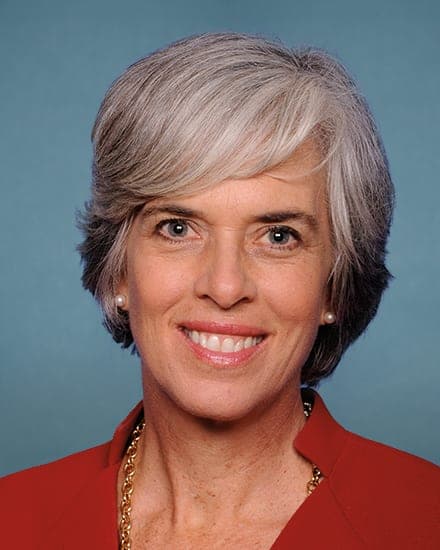
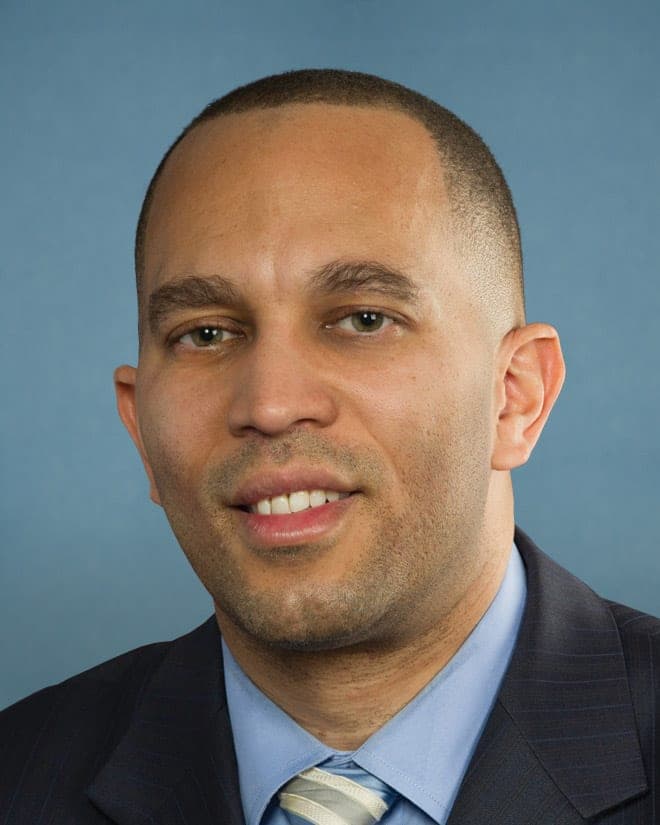
Joined the amendment proposal

Joined the amendment proposal
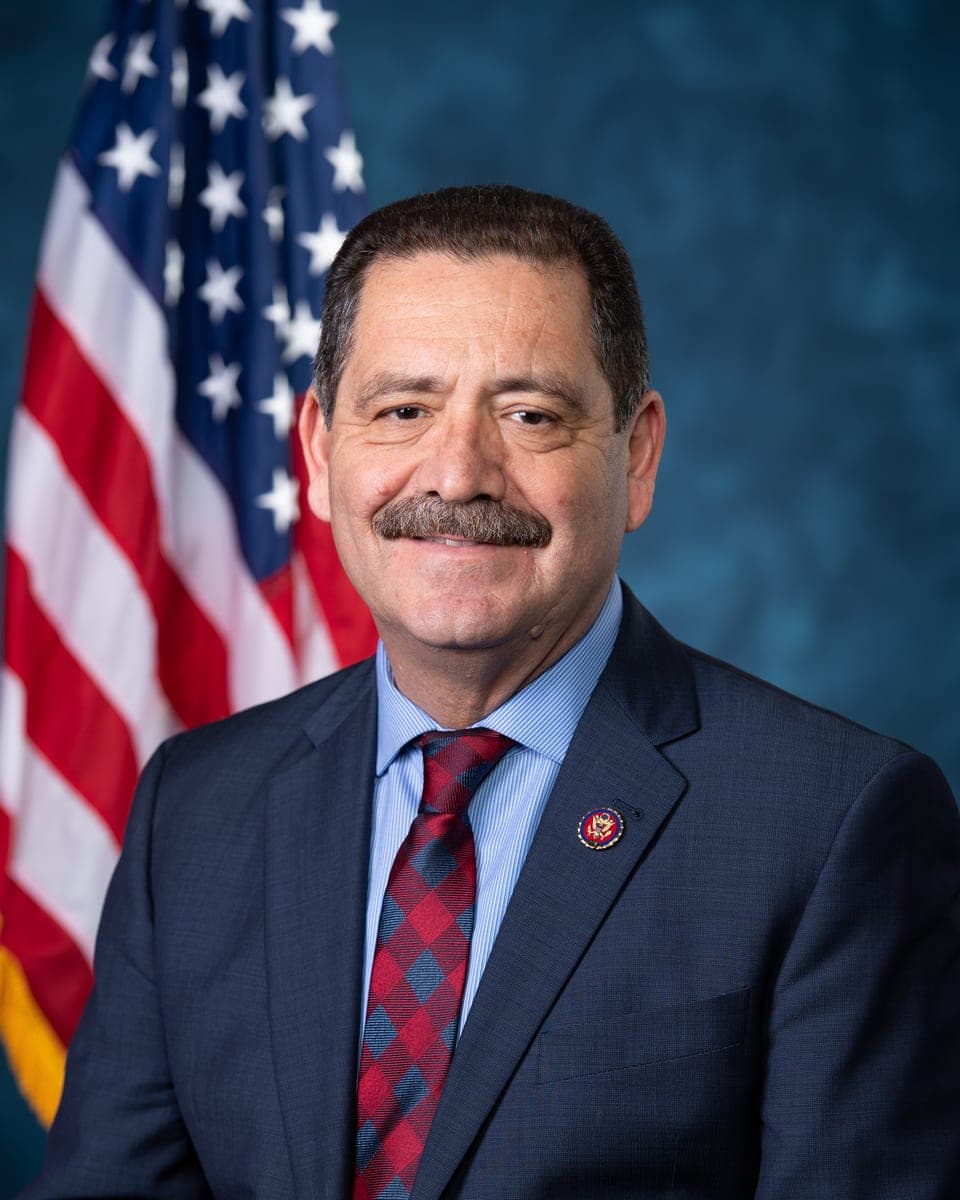
Joined the amendment proposal

Co-introducer of the amendment
Part of a bigger story
15 OUTLETSOutlets agree that the House rejected Thomas Massie’s amendment to cut $3.3 billion in U.S. aid to Israel. The vote drew support from more than 100 House members and highlighted divisions among Democrats. Left-leaning outlets foreground the more than 100 Democrats who joined Massie and frame the vote as support for cutting aid. Center outlets largely treat the failed amendment as a measure of Democratic divisions over U.S. support for Israel, while some also stress Massie’s domestic-spending argument. Right-leaning outlets cast those divisions as a conflict within the Democratic Party and emphasize opposition from party leaders.
- ARTICLES
- 19
- OUTLETS
- 15
- AVG CRED
- 72
Discussion · 0
Loading comments…