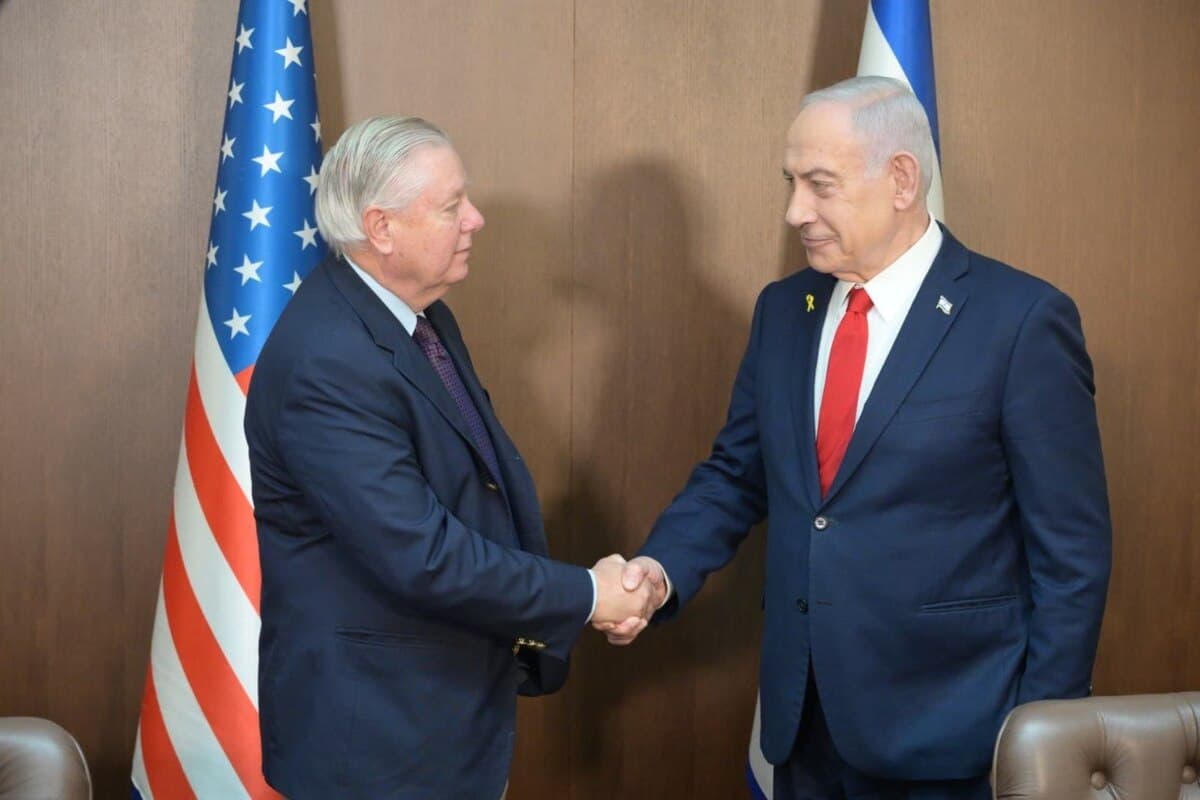
The prophecy and the profiteers: How Lindsey Graham, Paula White-Cain and Netanyahu sold America a holy war
The author argues that Graham’s support for the war blends evangelical prophecy with strategic and economic claims.
SOURCE CHECK
TAP FOR WHYMiddle East Monitor is an identifiable international news publisher, but this page is an explicitly labeled opinion essay rather than independently reported news. The named author and attribution of some claims provide limited transparency, while the article’s sourcing and strongly partisan framing constrain confidence in the publisher’s institutional credibility.
- Source type — An established international news publisher, though the article itself is opinion.
- Author attribution — A named author is credited.
- Editorial standards — The page labels the piece as opinion and distinguishes the author’s views from the publisher’s editorial policy.
- Transparency — Some claims are attributed to named sources, but sourcing is limited for several consequential assertions.
The piece names some sources and attributes a claim to The New York Times, but many consequential assertions receive little supporting detail or competing context. Its charged language and speculative warnings make it a weakly substantiated opinion argument rather than balanced reporting.
HOW WE SCORE ↗This is an explicitly labeled opinion piece that presents a sustained critique of the war and the named political figures. It offers no meaningful counterarguments or responses from those figures, and its language is highly loaded.
- Counterarguments presented — No substantial defense of the military strategy or responses from the criticized figures appears.
- Loaded language — Repeatedly uses dramatic and condemnatory wording.
- Opinion vs reporting — The page identifies the piece as opinion, and its argument drives the presentation.
- Source diversity — Cites a news report and an expert but provides limited diversity of perspectives.
The article adopts an openly hostile framing toward Graham, Netanyahu and Trump, presenting their actions as cynical, dangerous and tied to profiteering. Its language and selection of arguments strongly favor an antiwar, critical perspective.
- Language tone — Uses strongly condemnatory phrases such as “mask, finally removed” and “breathtakingly predictable catastrophe.”
- Framing — Frames the war as a product of religious ideology, political manipulation and profiteering.
- Source selection — Emphasizes critical expert warnings and does not include defenses from the figures it criticizes.
Dr. Sahar Huneidi argues that Lindsey Graham’s support for the U.S.-Israeli war with Iran reflects both evangelical prophecy and strategic calculation, and criticizes Benjamin Netanyahu and Donald Trump for their roles. The opinion piece warns that the conflict could bring wider regional and nuclear dangers.
Huneidi points to Graham’s statements in Israel about a U.S.-Israeli weapons project and his claim that the United States and Israel were aligned on Iran. The article says joint U.S.-Israeli strikes began on February 28 and quotes Graham later describing regime change as a chance to “make a ton of money.” The author argues that Graham’s religious beliefs help frame his support for Israel and the war.
The author also argues that Netanyahu influenced the timing of the strikes and that Trump agreed to delay them at Netanyahu’s request. Huneidi warns that Iran could fragment, that nuclear risks have increased, and that Trump’s decisions could have grave consequences. These are the author’s arguments and reported claims, not independently established conclusions in the article.
Community verdict
30 VOTES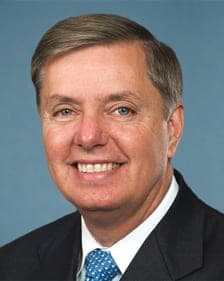
- Readers of left-leaning coverage: 58% good look
- Readers of right-leaning coverage: not enough votes yet
People in this story
SWIPE →Senator whose statements and support for the U.S.-Israeli war are central to the article
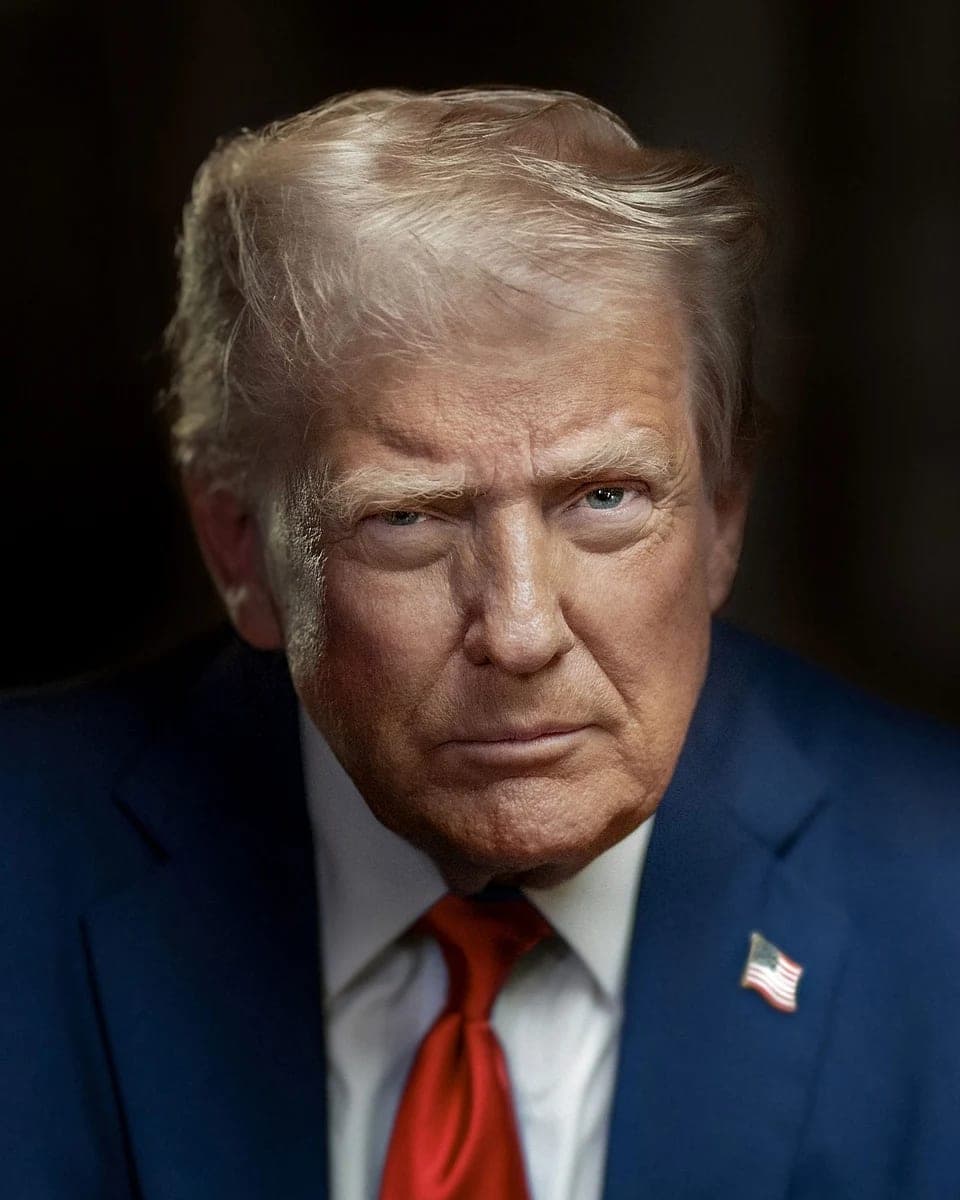
President whose agreement with Netanyahu and conduct of the war are criticized
Trump's version of this story ↗Discussion · 0
Loading comments…