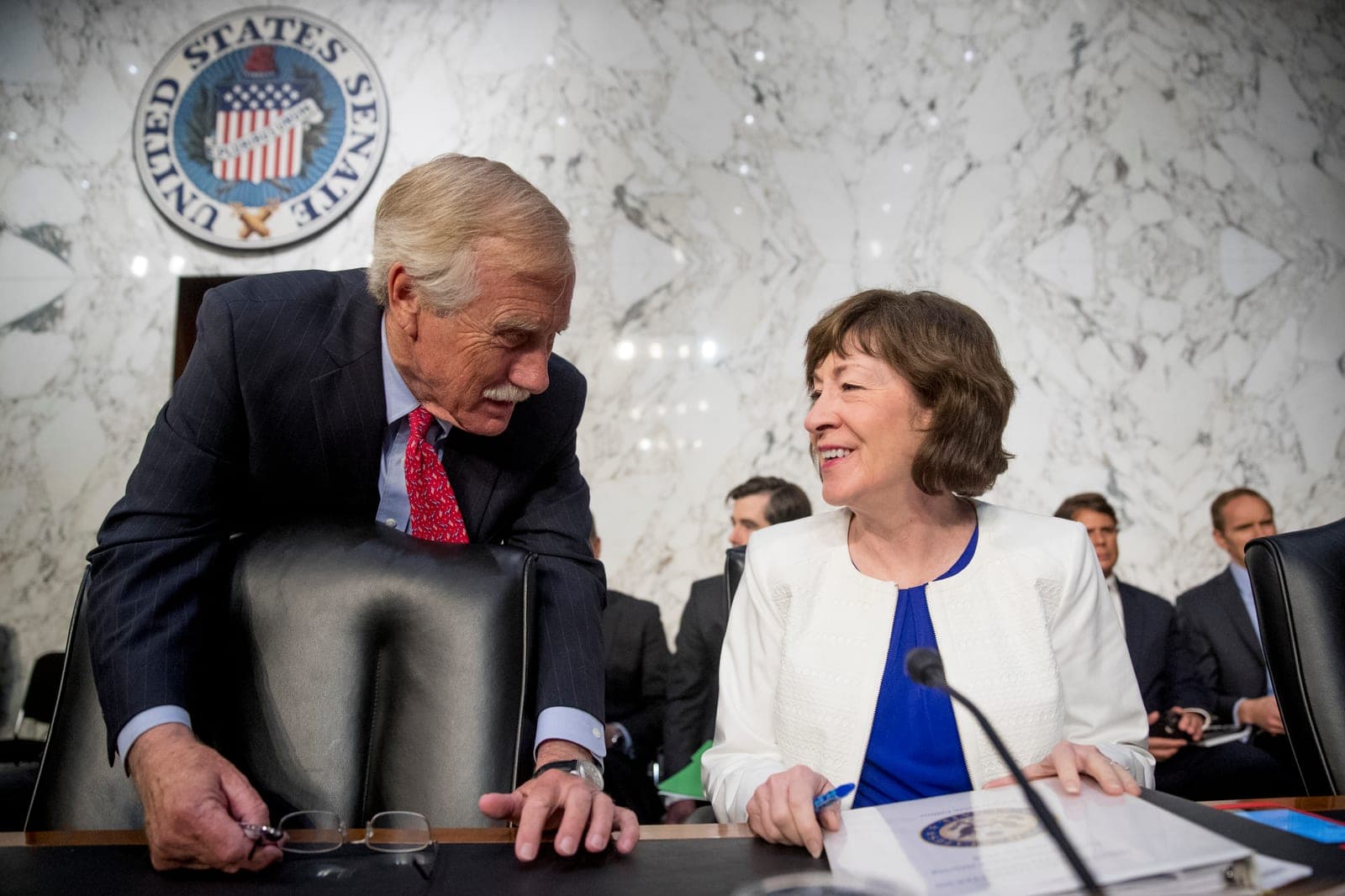
Angus King and Susan Collins split over Iran war powers resolution
Collins opposed the resolution, arguing that it would send the wrong message and that the administration had briefed Congress.
SOURCE CHECK
TAP FOR WHYMaine Public is an established regional public-media newsroom, and this story identifies its reporter and presents named officials’ statements. The short article offers limited broader sourcing, but its institutional and attribution signals support a solid credibility rating.
- Source type — Established local public-media outlet with a regional reporting role.
- Editorial standards — The article attributes arguments to the senators and reports the vote directly.
- Author attribution — Names Kevin Miller as the reporter.
The report gives the vote result and opposing senators’ explanations through direct, attributed statements, with brief context about the resolution. It does not include a response from the administration or extensive detail about the resolution’s terms.
HOW WE SCORE ↗The article presents both Maine senators’ opposing positions and their reasoning. It gives little space to the administration’s perspective or to details about the resolution’s provisions.
- Counterarguments presented — Both senators’ contrasting views are included.
- Source diversity — The main perspectives come from the two senators; the administration is not quoted.
- Omitted context — The resolution’s text and the administration’s response are not provided.
The story uses neutral language and reports the opposing senators’ positions with direct attribution. It does not visibly endorse either side.
- Language tone — Mostly neutral descriptions and attributed quotations.
- Source selection — Includes statements from both senators on opposing sides of the vote.
- Framing — Frames the story as a split vote and reports the result without an explicit verdict.
Maine’s senators split on a war powers resolution over military action in Iran, which failed to advance 53-47. Angus King criticized the administration’s lack of consultation and explanation, while Susan Collins argued that passing the resolution would send the wrong message.
The Senate rejected a war powers resolution that would have required congressional approval for additional U.S. military action in Iran. The measure failed to advance 53-47, almost entirely along party lines. Susan Collins opposed it, saying Iran posed serious national security threats and that the resolution would send the wrong message to Iran and U.S. troops; she also said the administration had notified and briefed Congress.
Angus King said the Constitution does not allow a president to commit the country unilaterally to a major conflict. He criticized the administration for not providing a consistent explanation of the need for military action or consulting Congress, and questioned calls for Iranians to rise up without assurances of U.S. support. Chellie Pingree co-sponsored the resolution and accused Trump of constitutional violations; Jared Golden had not said how he would vote on the House measure.
Community verdict
37 VOTES
People in this story
SWIPE →
Maine senator who supported the war powers resolution and criticized the administration’s approach to military action in Iran
King's version of this story ↗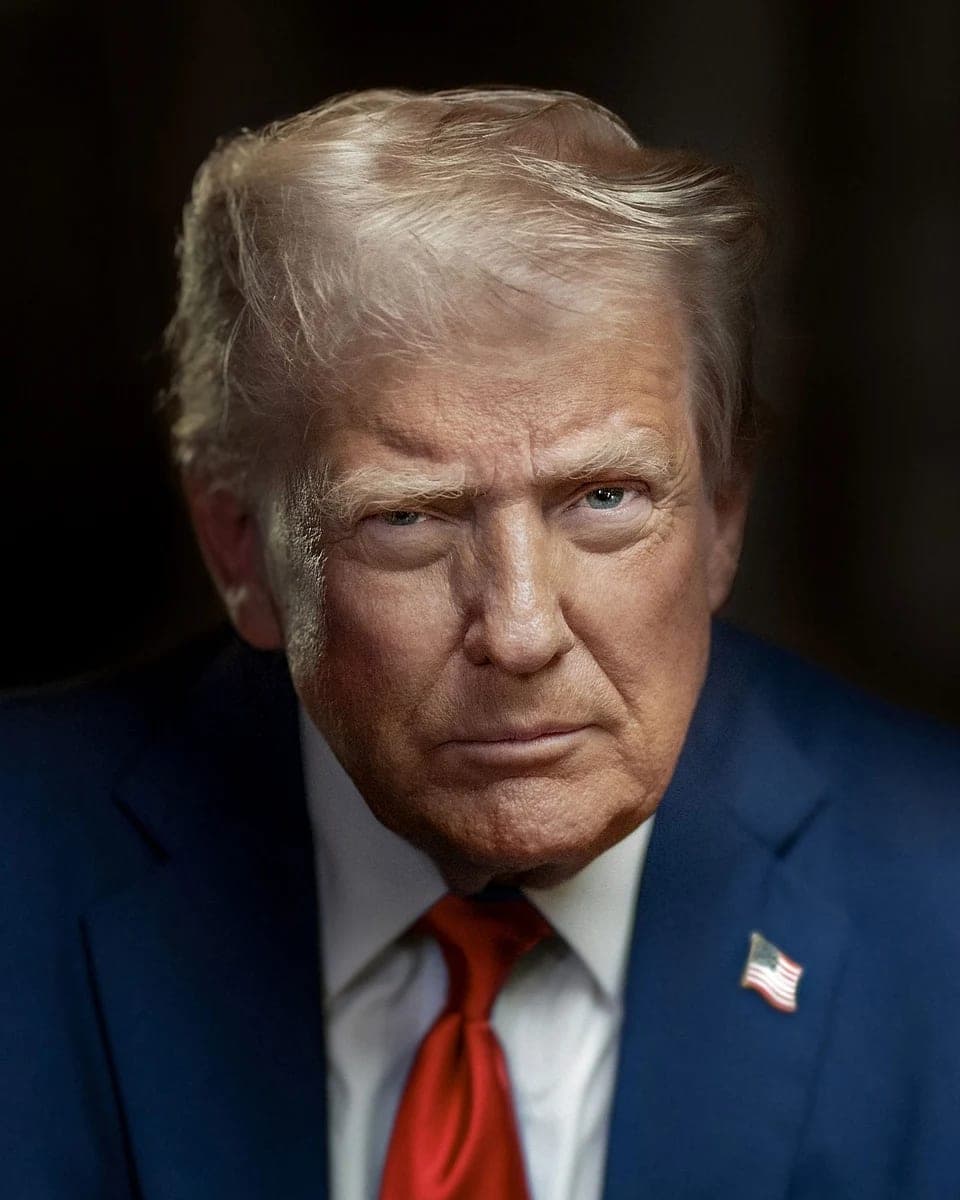
U.S. president whose administration’s military action in Iran and consultation with Congress are discussed

Maine representative whose position on the House resolution was not yet stated

Maine representative and co-sponsor of the resolution
Part of a bigger story
4 OUTLETSOutlets agree the Senate’s Iran war-powers resolution failed 53-47, with Susan Collins voting against it and Angus King supporting it. Center outlets present the vote as a split between Maine’s senators, emphasizing Collins’s objections and King’s criticism of the administration’s consultation and explanation.
- ARTICLES
- 4
- OUTLETS
- 4
- AVG CRED
- 76
Discussion · 0
Loading comments…