How Mainers are weighing the pay-to-play allegation involving Susan Collins
New reporting about an FBI inquiry into alleged pay-to-play activity has prompted Maine voters to weigh whether it affects Collins’ reelection.

SOURCE CHECK
TAP FOR WHYThis is attributed local reporting that includes original interviews and identifies its author. The article also draws on reporting by other outlets and expert commentary; the text alone provides limited evidence about the publisher’s correction practices.
- Source type — Local-news reporting with original voter interviews and regional political context.
- Author attribution — A named reporter is credited, with a contributing reporter also identified.
- Editorial standards — The article attributes allegations and denials to their sources and distinguishes allegations from established findings.
- Transparency — It identifies outside reporting and expert sources, though correction practices are not evident in the article.
The article includes interviews with voters holding different views, reports Collins’ team’s denial, and attributes key allegations to ProPublica and other sources. It provides useful campaign-finance context, though it relies substantially on other outlets’ reporting and does not present direct comment from Collins herself or investigative records.
HOW WE SCORE ↗The article includes skeptical and dismissive voter reactions, possible concerns among swing voters, Jackson and Democrats’ criticism, and Collins’ team’s denial. Its account of the underlying investigation relies mainly on cited reporting rather than direct records or responses from the investigative agencies.
- Source diversity — Interviews voters with differing political views and cites outside reporting and campaign-finance experts.
- Counterarguments presented — Includes Collins’ team’s denial and supporters’ view that the allegation is unsubstantiated.
- Omitted context — The underlying inquiry is described through other outlets’ reporting without direct agency comment or documentary detail in the article.
- Loaded language — Terms such as corruption are attributed to political actors and voters rather than presented as settled fact.
The article reports allegations and voter reactions in a largely descriptive tone, with claims attributed to their sources and Collins’ team’s denial included. Its focus on corruption allegations does not by itself establish a political lean.
- Language tone — Mostly restrained language, with loaded descriptions presented as voters’ or political actors’ claims.
- Source selection — Includes voters with differing views, campaign-side responses, and outside reporting.
- Framing — Centers on how voters assess the allegation’s electoral effect rather than arguing for a political conclusion.
Maine voters interviewed about allegations of pay-to-play activity involving Sen. Susan Collins expressed skepticism that the claims would change many votes, though some swing voters may reconsider their support. Collins’ team denied wrongdoing, while Democrat Troy Jackson and state Democrats criticized her.
Voters interviewed in Maine described broad distrust of politicians and said the allegations involving Collins might not change their choices. Some aligned voters appeared unmoved, while some swing voters were reconsidering their support. Jackson and Maine Democrats called Collins corrupt and characterized the allegations as potentially significant to the Senate race; Collins’ team denied wrongdoing and said the claims repeated allegations from her 2020 campaign.
The article reports that ProPublica found the FBI had investigated Collins, her aides and a pro-Collins super PAC, and that the inquiry ended after Donald Trump returned to office. ProPublica also reported that donor Martin Kao told the FBI Collins’ team knew of an alleged arrangement linking donations to contracts; the article says those accounts were consistent with FBI records and interviews. Separately, HuffPost reported at least $7.4 million in dark-money support for Collins’ current campaign. The article notes that Jackson also has outside support, including from a super PAC connected to Sen. Chuck Schumer, and discusses voter concerns about super PAC spending and the legal dispute over Maine’s contribution limits.
Community verdict
24 VOTES
People in this story
SWIPE →Incumbent senator facing allegations of pay-to-play activity
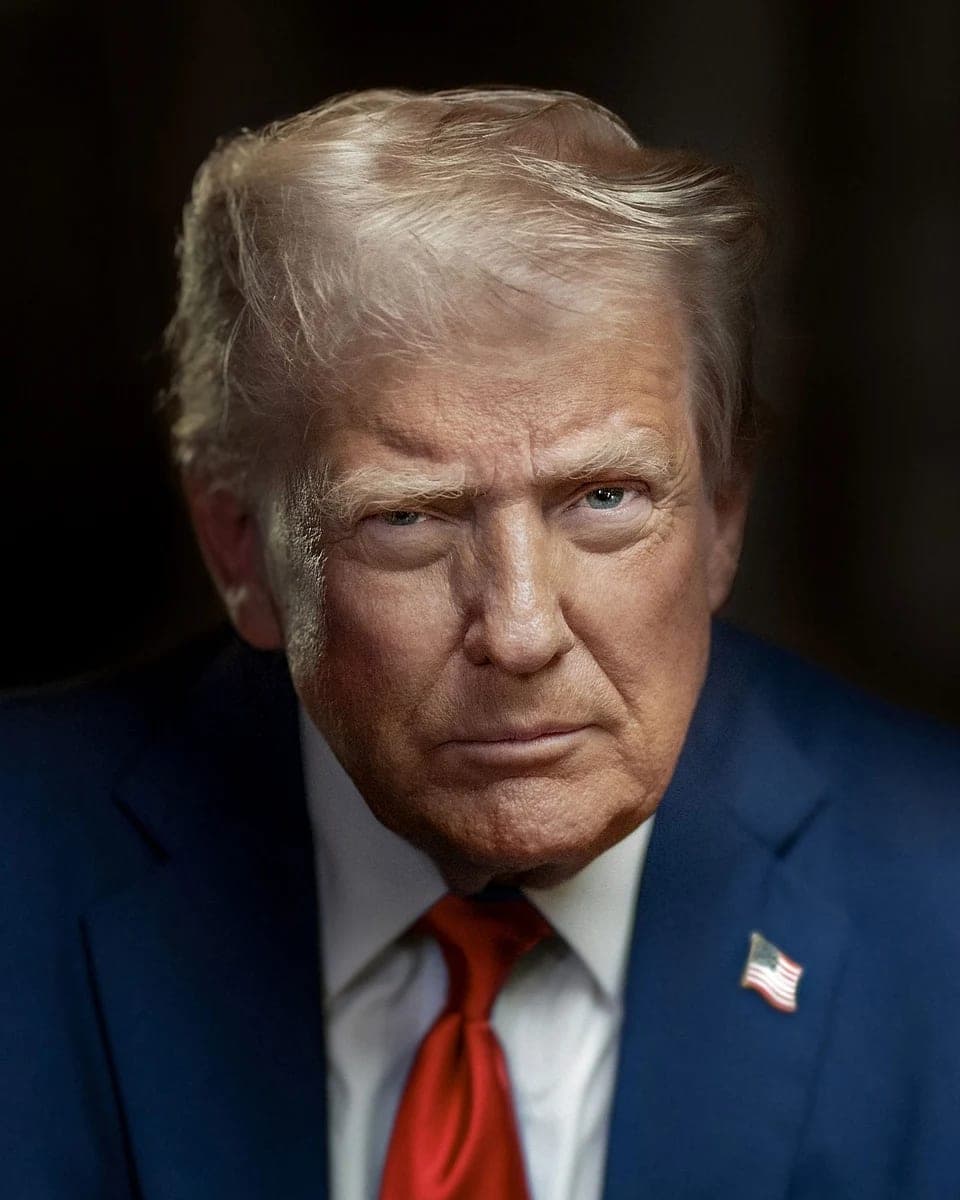
President whose return to office is linked in the article to the end of the FBI inquiry
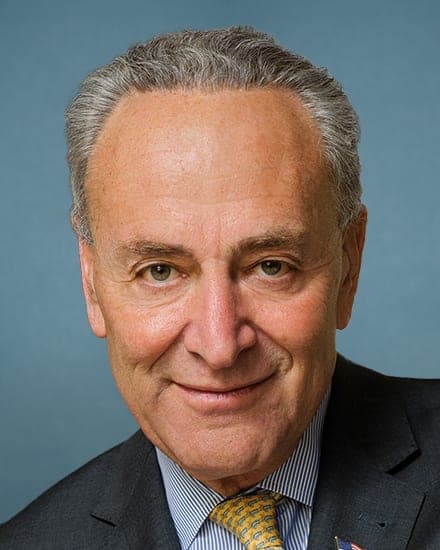
Senate minority leader connected to a super PAC supporting Jackson

Former Democratic nominee who dropped out of the Senate race

Democratic Senate candidate and Collins’ opponent
Part of a bigger story
4 OUTLETSOutlets report that Maine voters are weighing pay-to-play allegations involving Susan Collins, who has denied wrongdoing. Some voters may reconsider supporting her. Left-leaning outlets connect the allegations to Collins’s reelection prospects, highlighting voters reconsidering their support and undisclosed donations to groups backing her. Center outlets emphasize voter skepticism that the allegations will change many votes, while noting some swing voters may reconsider.
- ARTICLES
- 5
- OUTLETS
- 4
- AVG CRED
- 76
- HuffPost · Susan Collins Faced An FBI Investigation Over Dark Money. It’s Still Flowing To Her Reelection Campaign.
- Maine AFL-CIO · Bombshell ProPublica Investigation Exposes Susan Collins Pay-to-Play Scandal - Maine AFL-CIO
- Maine Democratic Party - Fighting For Maine's Working Families · WHAT MAINERS ARE WATCHING: Veterans Slam Susan Collins for Steering Federal Defense Contract to Campaign Donor - Maine Democratic Party
Discussion · 0
Loading comments…