New bill in Congress seeks to investigate toxic dump off California coast
Padilla joined Carbajal in proposing a federal program to map the contamination and explore possible cleanup.
SOURCE CHECK
TAP FOR WHYThe Los Angeles Times is an established news organization, and this report identifies its author and draws on named researchers and environmental experts. It provides concrete details about the proposed bill, though the article does not include a critical perspective on the proposal.
- Source type — Established national news organization with a substantial reporting operation.
- Transparency — The report names researchers and experts and describes the bill's provisions.
- Author attribution — The article identifies its reporter.
- Editorial standards — The publisher has established newsroom practices, though this article offers limited scrutiny of the proposal.
The article offers specific proposed funding and agency roles, and includes named researchers and environmental experts alongside statements from the bill's sponsors. It explains the pollution concern but does not present critics of the bill or examine its costs and implementation in depth.
HOW WE SCORE ↗The article provides context about the contamination and includes several named scientific voices as well as the bill's sponsors. It does not include a critic of the proposal or discuss potential costs and implementation challenges.
- Source diversity — The report quotes lawmakers and several scientific or environmental experts.
- Counterarguments presented — No opposing view or critique of the bill is included.
- Omitted context — Costs beyond the proposed authorization and implementation concerns receive little attention.
- Loaded language — The article's language is generally descriptive, with stronger characterizations attributed to sources.
The article reports the bill's aims and quotes its sponsors and scientific supporters in matter-of-fact language. It does not use distinctly partisan framing.
- Language tone — Mostly descriptive, with claims attributed to speakers.
- Source selection — Includes lawmakers and scientific experts, but no opposing voice.
- Framing — Frames the proposal as a response to pollution and gaps in research without overt partisan cues.
Rep. Salud Carbajal and Sen. Alex Padilla introduced a bill to coordinate federal research on toxic waste dumped off Southern California and explore possible cleanup. The proposal would fund mapping and monitoring of the contamination.
Carbajal and Padilla introduced the Ocean Protection and DDT Reduction Act in both chambers of Congress. The bill would make NOAA the lead coordinating agency, with input from other federal agencies, and authorize $6 million annually through 2034 for research mapping seafloor contamination and tracking how chemicals spread.
The proposal also calls for scientists to examine possible cleanup approaches, including bioremediation. Research cited in the article has found DDT in dolphins and coastal-feeding condors, while a recent study linked it to an aggressive cancer in California sea lions. The lawmakers said they are seeking bipartisan support.
Community verdict
21 VOTES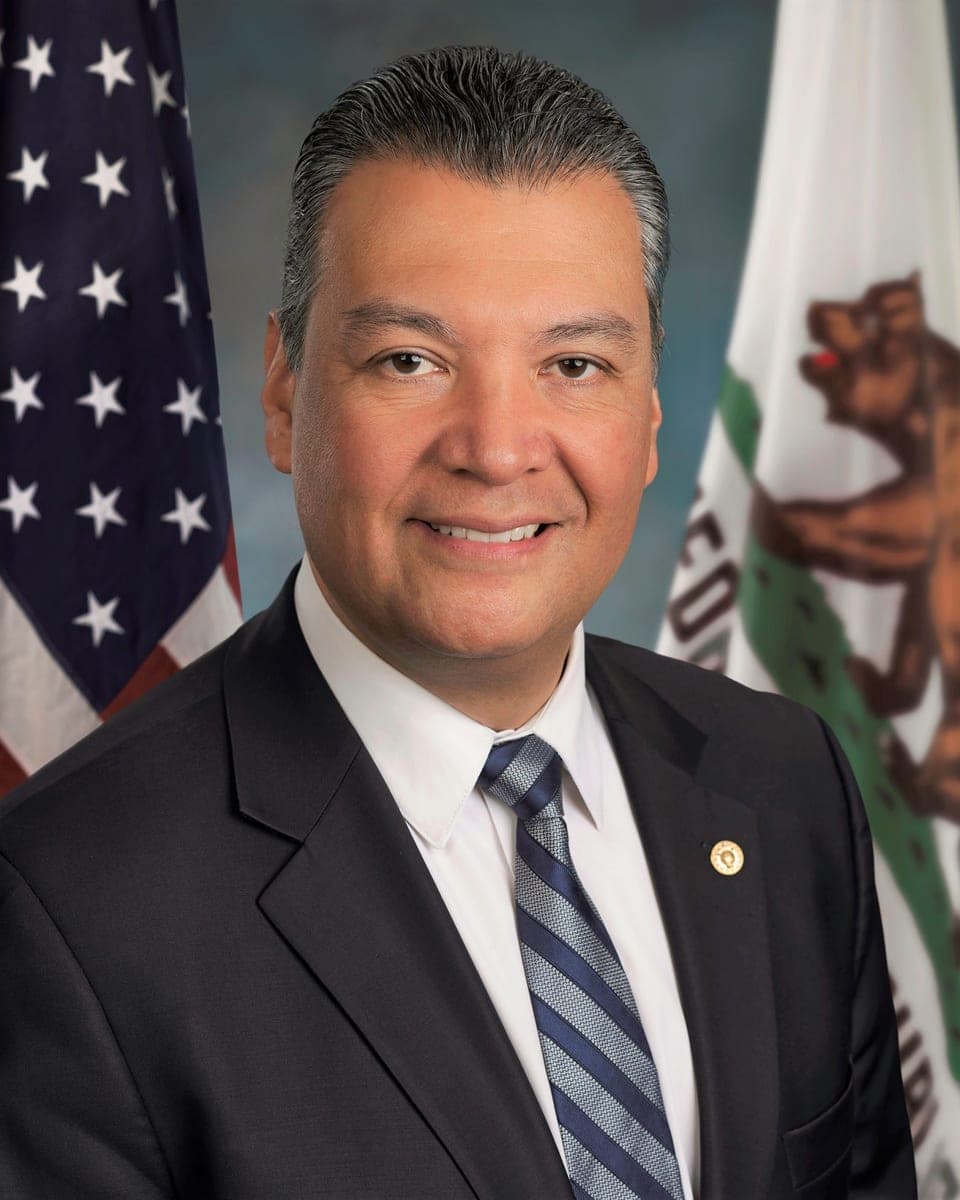
People in this story
SWIPE →Senate co-introducer of legislation to investigate and address ocean contamination

House co-introducer of legislation to investigate and address ocean contamination
Carbajal's version of this story ↗Part of a bigger story
3 OUTLETSAlex Padilla and Rep. Salud Carbajal introduced legislation for federal research into toxic waste dumped off Southern California, including mapping and monitoring contamination and exploring cleanup options. Center outlets alike present the bill as a research-and-monitoring effort, drawing on lawmakers and scientific experts who support it without an opposing voice.
- ARTICLES
- 3
- OUTLETS
- 3
- AVG CRED
- 64
Discussion · 0
Loading comments…