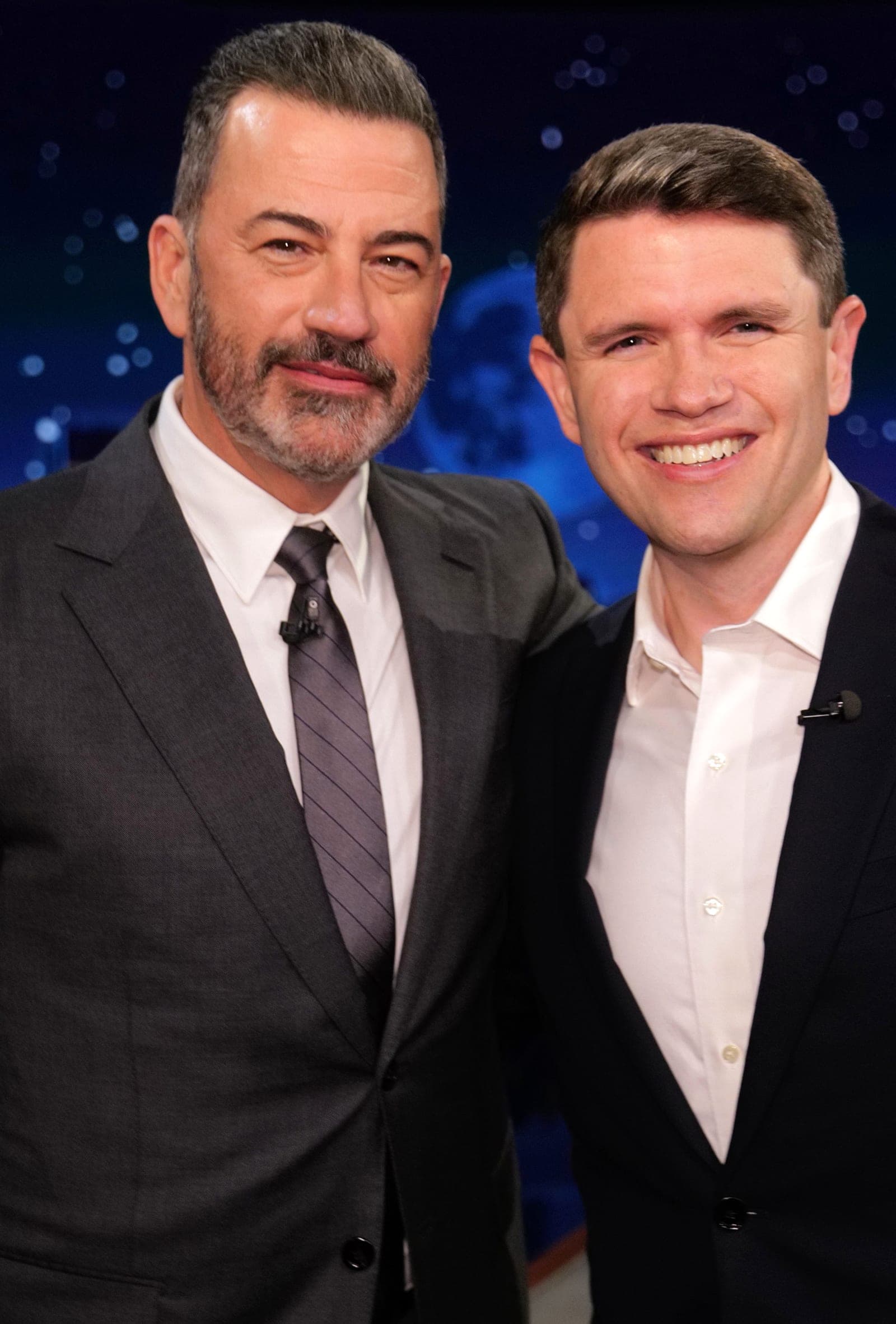
Jimmy Kimmel and the interview 'the FCC doesn't want you to see'
Talarico's interview was posted online after Kimmel said FCC policy threatened its broadcast on ABC.
SOURCE CHECK
TAP FOR WHYThe Los Angeles Times is an established national newsroom with professional editorial standards and attributed reporting. The article includes named sources and competing statements, though some of its framing is pointed.
- Track record — Established national newspaper with a substantial record of original reporting.
- Editorial standards — Professional newsroom standards, though this article includes a notably pointed aside.
- Author attribution — A named author is identified.
- Source type — National news publication.
The article gives context on the FCC guidance and equal-time exemption, and includes attributed statements from Kimmel, a commissioner, a White House spokesperson, ABC and CBS. The account is informative but relies substantially on interested parties' claims and includes a sarcastic editorial aside.
HOW WE SCORE ↗The article explains the FCC policy and presents denials from a White House spokesperson and CBS, alongside criticism from Kimmel, ABC and an FCC commissioner. Its skeptical tone and limited direct explanation from the FCC leave the opposing case less developed.
- Counterarguments presented — The White House spokesperson and CBS offer denials, but there is no extended FCC explanation of the guidance.
- Loaded language — The sarcastic claim that proof can be found with a quick Google search is editorially pointed.
- Source diversity — The report draws on statements from several parties, including government representatives and media organizations.
- Omitted context — The article gives only brief detail on how the FCC will determine whether an interview is motivated by partisan purposes.
The article's wording is critical of the FCC's actions and the Trump administration, including a sarcastic passage challenging the White House spokesperson's denial. It does include the administration's response and CBS's denial.
- Language tone — A sarcastic aside undercuts the White House spokesperson's denial.
- Framing — The story foregrounds concerns about censorship and the effect of FCC guidance on political interviews.
- Source selection — The article includes statements from both critics and administration representatives, but the critical claims receive more narrative emphasis.
Jimmy Kimmel posted his interview with Texas Senate candidate James Talarico on YouTube after saying FCC policy threatened its broadcast, while a White House spokesperson denied Kimmel had been threatened. The dispute raises questions about broadcast equal-time rules and political interviews.
Jimmy Kimmel posted his interview with Texas Senate candidate James Talarico on YouTube instead of airing it on ABC. Kimmel said the FCC had threatened his show and network; the article explains that new FCC Media Bureau guidance could affect whether talk shows qualify for the “bona fide news program” exemption from equal-time requirements. The article also reports that ABC stations face early license reviews and that ABC accused the Trump administration of trying to chill free speech.
FCC Commissioner Anna Gomez criticized the administration over the interview’s move online. Assistant White House Press Secretary Davis Ingle denied that FCC Chairman Brendan Carr had threatened Kimmel and accused him of creating a false narrative. The article recalls that Stephen Colbert previously said network lawyers prevented a Talarico interview from airing; CBS denied stopping the broadcast. In the Kimmel interview, Talarico said Republicans were worried about losing the Texas race and criticized what he called a corrupt political system.
Community verdict
12 VOTES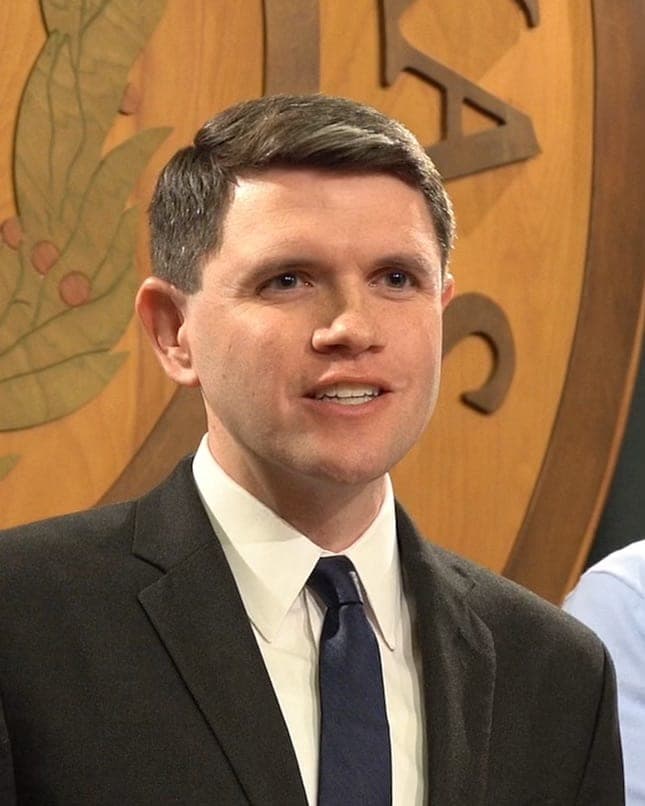
People in this story
SWIPE →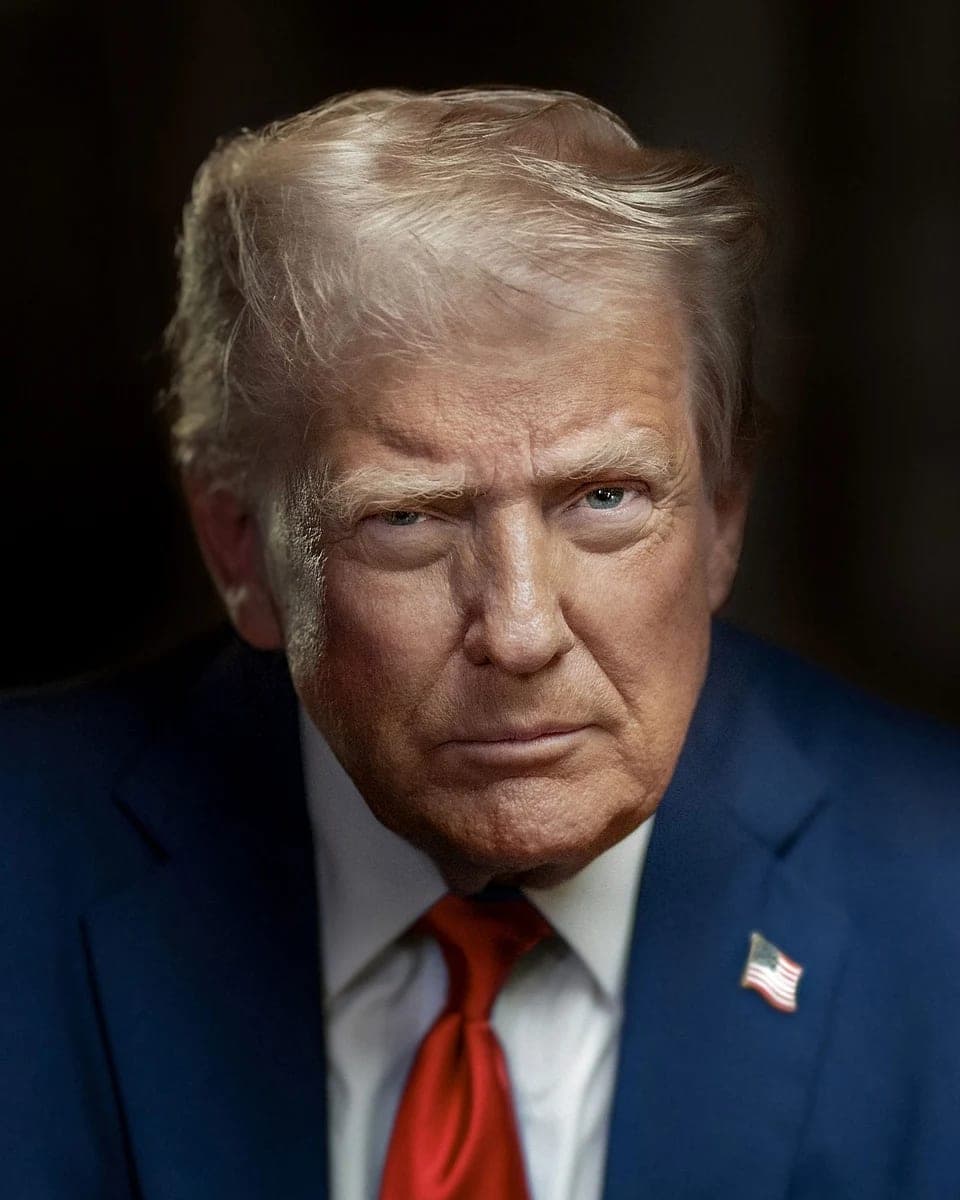
President whose administration is discussed in connection with FCC actions
Republican opponent in the Texas Senate race
Part of a bigger story
46 OUTLETSOutlets agree Jimmy Kimmel said his interview with Texas Senate candidate James Talarico would be posted on YouTube instead of airing on ABC, amid a dispute over FCC pressure and equal-time rules. Left-leaning outlets frame the move as a consequence of FCC pressure on political speech. Center outlets focus on how equal-time rules and FCC scrutiny may affect political interviews, generally attributing claims and including official responses. Right-leaning outlets are more skeptical of the censorship claim, with some emphasizing equal-time rules and others reporting Kimmel’s account alongside a denial.
- ARTICLES
- 62
- OUTLETS
- 46
- AVG CRED
- 73
Discussion · 0
Loading comments…