Here's what Utah, federal lawmakers are doing to crack down on online fraud
Maloy called for easier cross-state information-sharing by law enforcement and discussed a bill to expand federal fraud-investigation resources.
SOURCE CHECK
TAP FOR WHYKSL is an established local news outlet with a named reporter and identifiable publication. The article attributes its fraud statistics to the FBI and reports Maloy's statements directly, though the short piece offers limited sourcing beyond those sources.
- Source type — Established local news outlet.
- Author attribution — A named KSL reporter is credited.
- Editorial standards — The article attributes official statistics to the FBI and statements to Maloy.
The report includes attributed comments from Maloy and specific FBI statistics, but provides little independent context or perspective beyond the anti-fraud efforts described.
HOW WE SCORE ↗The article presents Maloy's proposals and official fraud-loss figures but does not include other perspectives on the proposed federal response. The limited scope leaves little indication of a deliberate one-sided argument.
- Source diversity — Includes Maloy and FBI statistics but no other policy or expert perspectives.
- Counterarguments presented — No counterarguments to the proposed measures are presented.
- Loaded language — The language is generally descriptive rather than argumentative.
The article uses matter-of-fact language to describe fraud concerns and Maloy's proposals. It shows no discernible partisan framing.
- Language tone — Mostly descriptive language, with quotes attributed to Maloy.
- Framing — Frames the story around anti-fraud efforts without an apparent partisan angle.
- Source selection — Uses Maloy's comments and FBI figures, with no evident partisan source selection.
Rep. Celeste Maloy called for easier information-sharing among law enforcement agencies as Congress considers ways to combat online fraud. She also said a bill providing more federal resources to investigate fraud, especially fraud targeting older Americans, is still being developed.
Maloy met with business leaders in Salt Lake City and told reporters that law enforcement agencies should be able to share information more easily across state lines. She said details are still being worked out on a bill to provide more federal resources to investigate fraud, particularly fraud against older Americans.
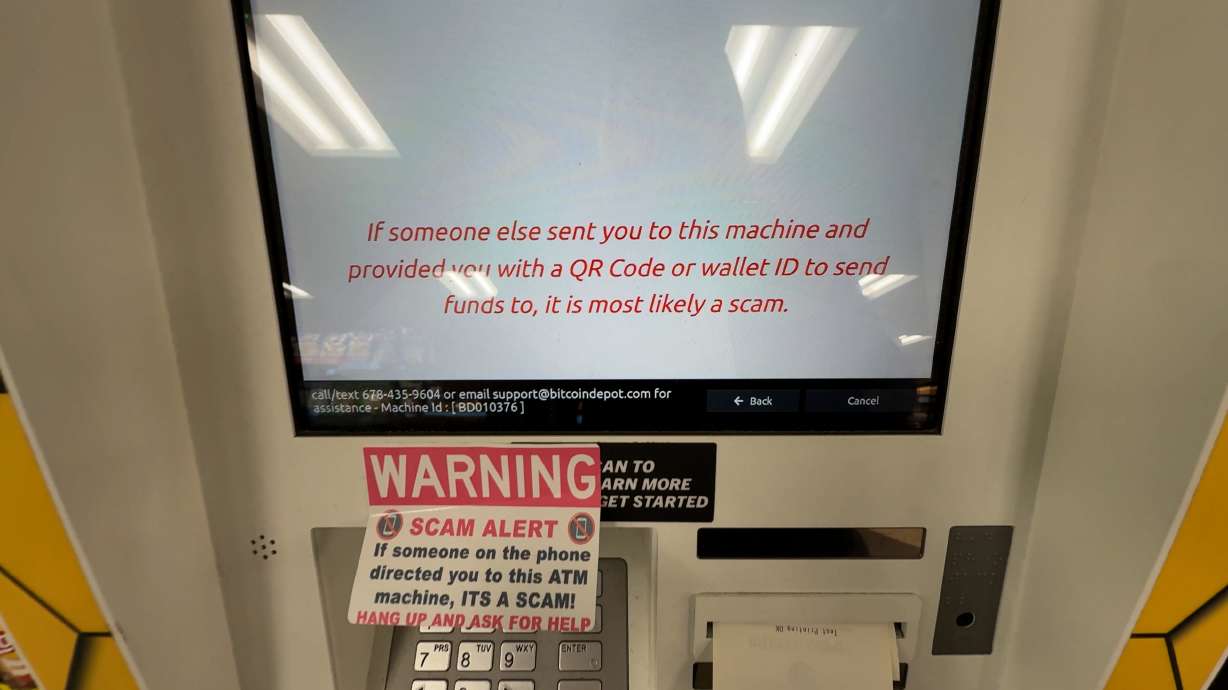
The article cites FBI figures showing that Americans who filed complaints about cryptocurrency scams lost more than $11 billion in 2025, while reported losses to artificial-intelligence scams were nearly $900 million. Maloy urged people not to act on emotional reactions to possible scams.
Community verdict
11 VOTES
People in this story
Utah representative advocating federal action against online fraud
Discussion · 0
Loading comments…