Democrats across the U.S. are showing a strong desire for change
Moulton challenged Markey, argued for generational change, and conceded after losing the primary.

SOURCE CHECK
TAP FOR WHYCredibility rates KMBC 9, where this article appeared. The other scores rate the article itself.
KMBC is an established local television news outlet, and the article presents attributed reporting and a range of campaign perspectives. The closing credit indicates Associated Press reporting contributed to the story.
- Source type — Established local news outlet with a general editorial operation.
- Author attribution — No article byline is given, but the story credits an Associated Press reporter for contributing.
- Editorial standards — The article attributes campaign claims and includes reporting on more than one side of the races.
The article gives specific campaign positions, includes quotations from both Senate candidates and a voter, and covers several related contests. It offers limited quantitative election detail and some claims are presented without extensive independent verification.
HOW WE SCORE ↗The article describes competing campaign arguments and includes multiple candidates’ positions, along with a voter’s view. It provides less detail on election results and independent evaluation of the candidates’ claims.
- Counterarguments presented — Both Senate candidates’ arguments and positions are described.
- Source diversity — Includes candidates, a voter, and reporting across multiple races.
- Omitted context — Does not provide vote totals or substantial independent scrutiny of campaign claims.
The article uses mostly straightforward language and presents arguments and statements from candidates with differing positions. Its account of the generational-change theme does not clearly favor a political side.
- Language tone — Primarily descriptive wording, with campaign rhetoric presented as attributed quotations.
- Source selection — Includes statements and positions from both Markey and Moulton, as well as other candidates and a voter.
- Framing — Frames multiple races around generational change without clearly endorsing either side.
Original publisher not identified
This article credits another publisher, which ChamberLight has not identified, so the scores are KMBC 9's own.
Ed Markey defeated Seth Moulton in the Massachusetts Democratic Senate primary, while other longtime Democratic House members faced younger challengers. The results put generational change at the center of several races.
Ed Markey won the Democratic nomination for another Senate term, defeating Seth Moulton, who argued that it was time for new leadership. Markey criticized Moulton’s positions, including his opposition to Medicare for All; Moulton conceded and said he would support Markey. The article also describes controversy over Moulton’s past remarks about transgender athletes and his subsequent apology.
Community verdict
13 VOTES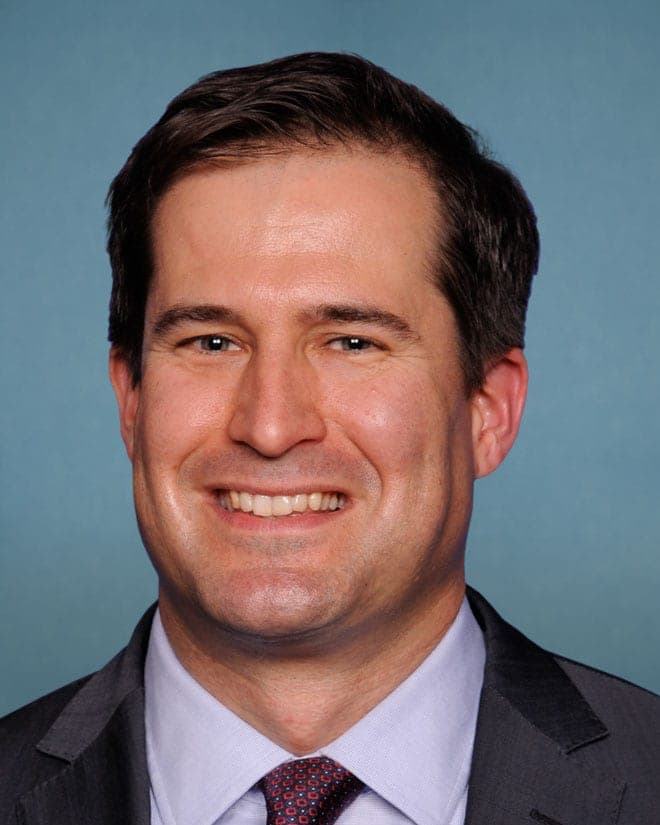
People in this story
SWIPE →Representative and unsuccessful challenger in the Democratic Senate primary.
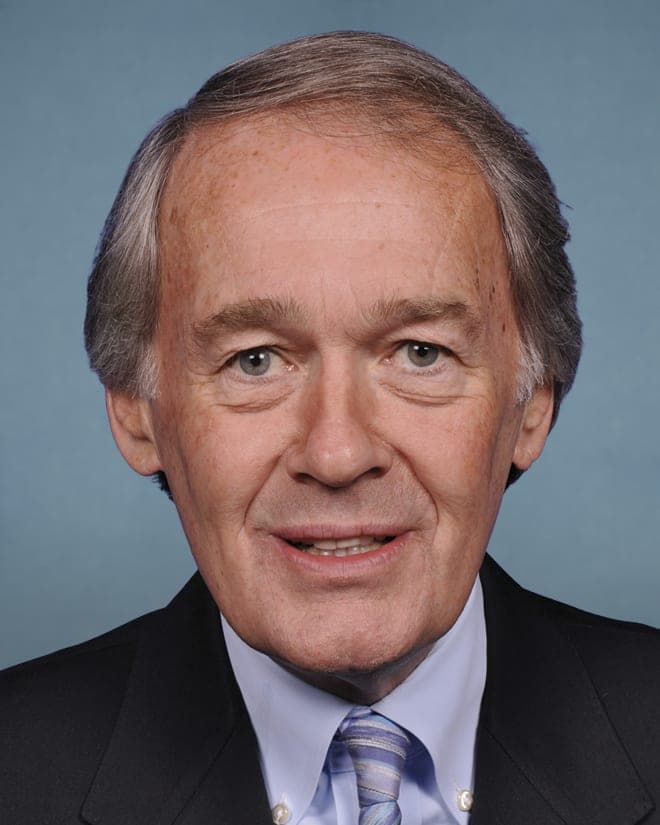
Incumbent senator who won the Democratic primary against Seth Moulton.
Markey's version of this story ↗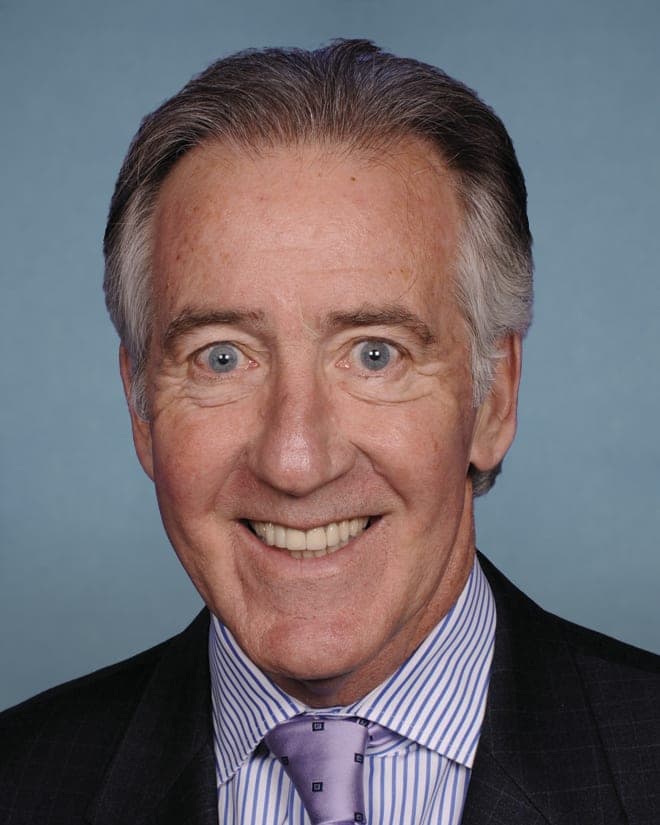
Incumbent representative challenged by Jeromie Whalen.
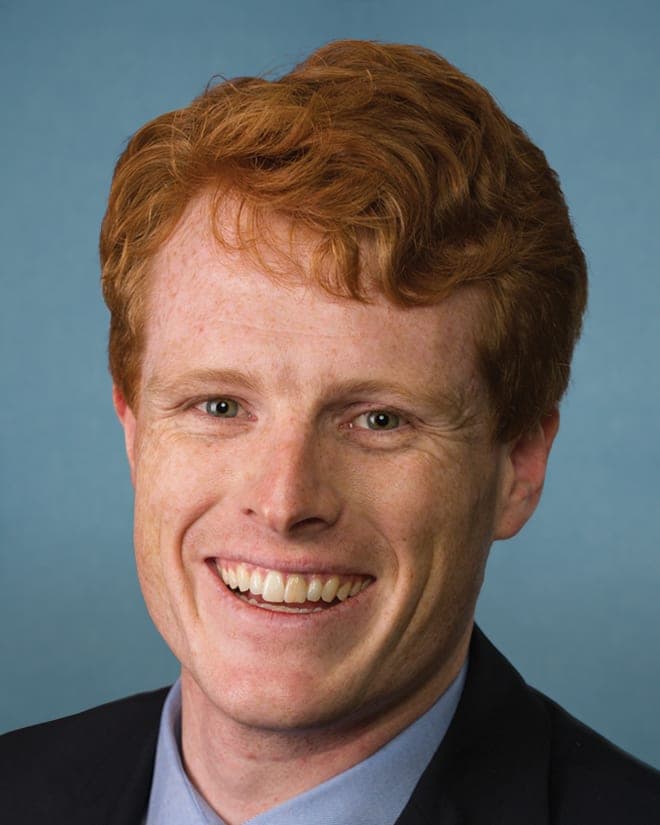
Former challenger to Markey in the 2020 Senate primary.
House candidate who challenged Stephen Lynch in the Massachusetts 8th District primary.

President whose administration and political positions are invoked in campaign criticism.
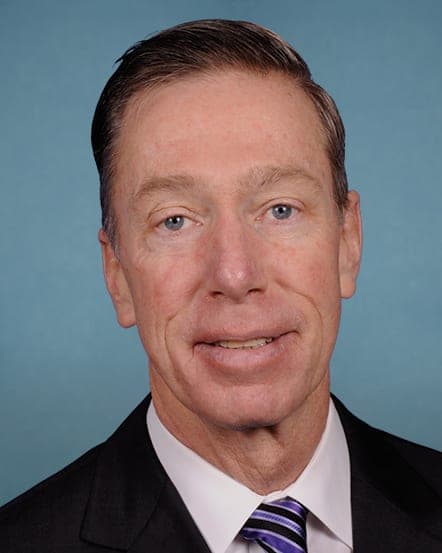
Incumbent representative challenged by Patrick Roath.
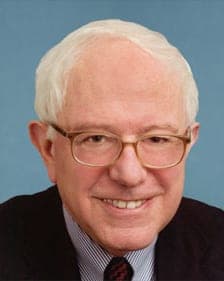
Senator whose founded organization endorsed Jeromie Whalen.

House candidate challenging Richard Neal in the Massachusetts 1st District primary.
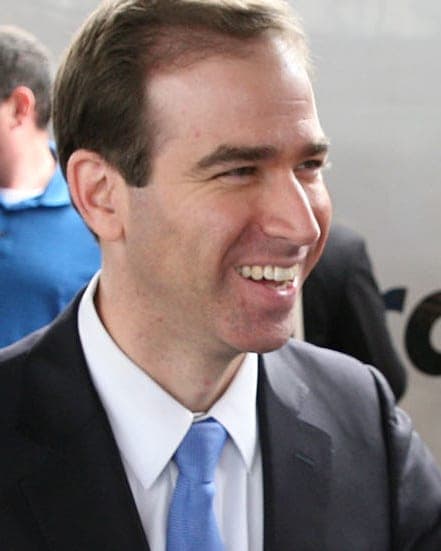
Former Hartford mayor who defeated John Larson in a neighboring district’s primary.
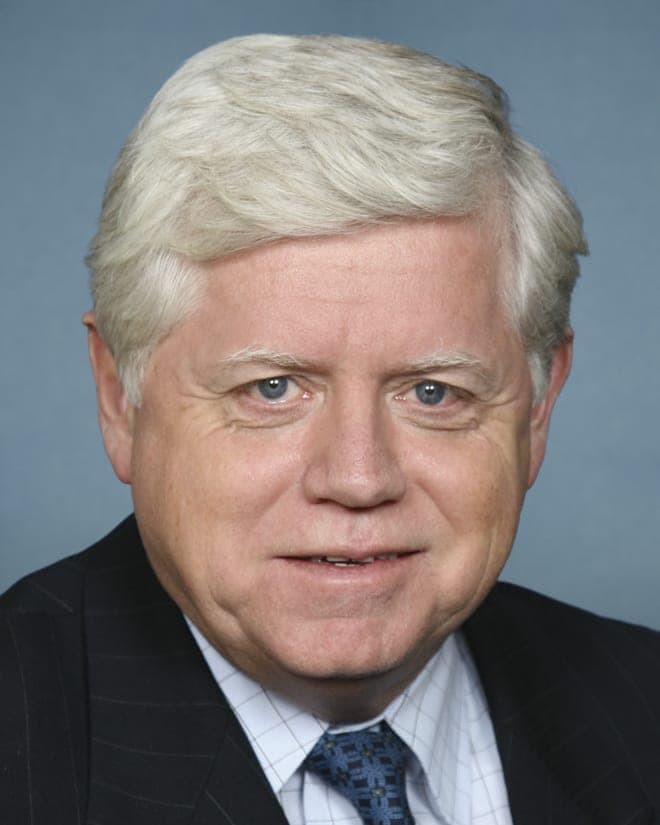
Representative whose primary challenge by Luke Bronin is cited as context for another race.
Part of a bigger story
15 OUTLETSEd Markey won the Massachusetts Democratic Senate primary, defeating Rep. Seth Moulton, who had challenged him for the nomination. Center outlets frame the contest around generational change, with some also emphasizing differences over experience and policy and younger challengers to longtime House incumbents.
Discussion · 0
Loading comments…